

If this article is your first introduction to amla, I’m really excited for you. Because you’re about to meet a food that’s revered across the Indian subcontinent and Southeast Asia. Traditional healers throughout India, Tibet, China, and Sri Lanka have been prescribing the sour berry for centuries to treat an astounding variety of conditions, from the common cold to indigestion to dandruff to acne to diabetes to heart problems to inflammation. (That sounds like a verse from the song, “My Least Favorite Things.”)
What’s more, science is catching up to these traditions, discovering in amla many powerful compounds that mimic (and sometimes outperform) modern prescription drugs — minus the unwanted side effects. In the last few decades, amla has been put to the test for its ability to mitigate symptoms of metabolic syndrome, high cholesterol, high blood pressure, prediabetes, and diabetes.
In this article, we’ll explore the increasingly popular amla berry. We’ll explore the latest evidence about how amla might benefit your health. And we’ll look at ways to consume it safely, both in fresh and powdered form, ending with three amazing amla recipes to add to your healthy cooking rotation.
What is Amla?

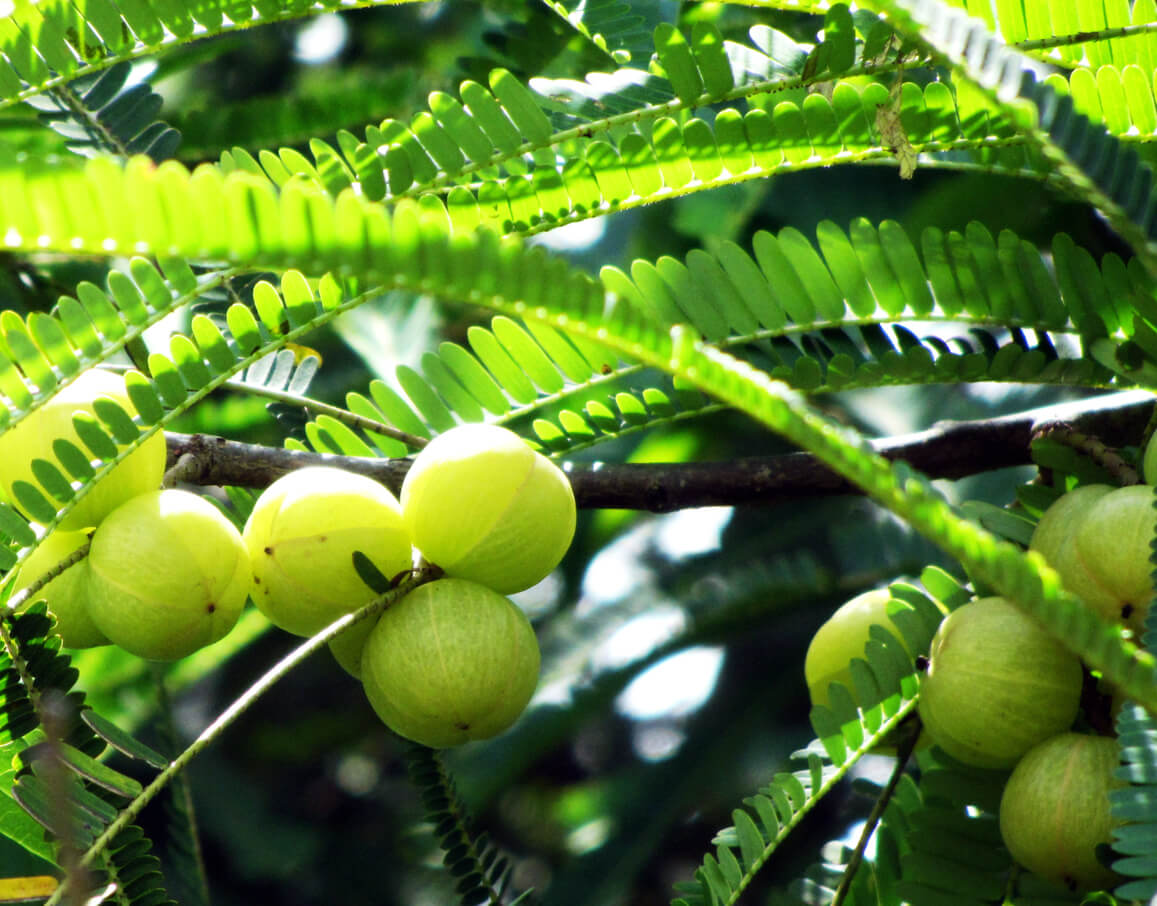
Amla is a plant with many names. Amla is the Hindu shortening of the Sanskrit amalaki, meaning “sour.” Tibetans say rasa, while English speakers call it Indian gooseberry. And botanists worldwide know it as Phyllanthus emblica — that last word being the Latinization of amalaki.
Regardless of the name, there’s widespread agreement about its health-boosting properties. In Ayurvedic and Tibetan medicine, amla has long been prescribed for conditions ranging from digestive and liver disorders to respiratory ailments, inflammation, fever, and infections.
Botanists, biotechnologists, and phytochemists around the world have been touting its broad range of therapeutic uses. And lately, science has joined the cheering section, as studies are confirming more and more of its traditional and ethnomedical uses.
Amla Nutrition

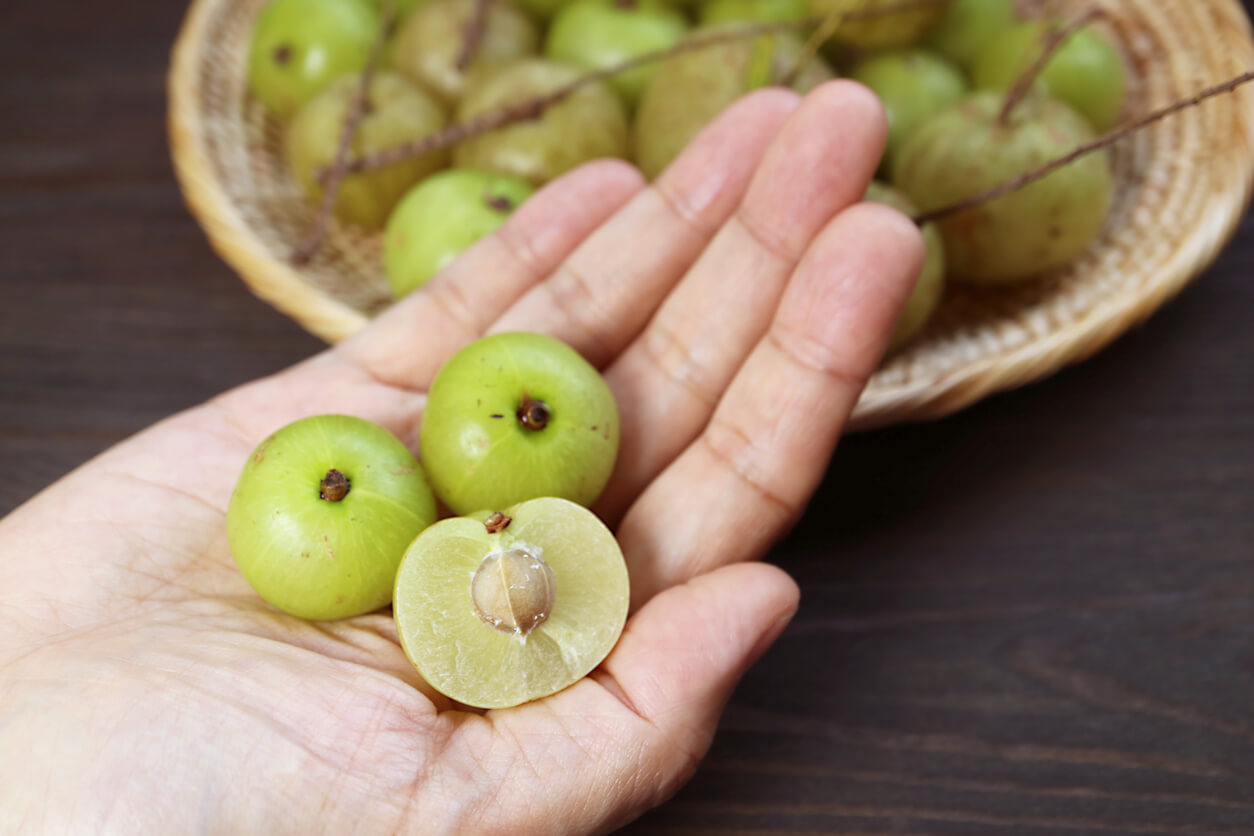
Before we look at these studies, let’s peek under the hood, chemically speaking, to see what’s in the amla fruit that makes it such a health powerhouse.
Amla contains a variety of phytochemicals with powerful anti-inflammatory properties, including flavonoids, tannins, and polyphenols. It’s also a good source of gallic acid and ellagic acid, both of which inhibit the production of cytokines — inflammatory compounds that, produced in excess, can lead to tissue damage, metabolic problems, and even degenerative diseases.
Amla is recognized as one of the richest natural sources of vitamin C. Adding to that good news is the fact that the vitamin C in amla remains remarkably stable, even after prolonged cold storage or drying.
Vitamin C isn’t alone here; other lettered vitamins found in amla include A, B1, and E. And amla is no slouch (that’s a technical nutrition term) in the calcium and iron departments either.
Health Benefits of Amla
As we’ve seen, amla may be helpful in a huge range of health conditions. So far, the best scientific evidence is for its cardiovascular and blood sugar benefits, so that’s what we’ll focus on here.
Cardiovascular Benefits


One of the most promising uses of amla is to help patients lower their LDL cholesterol, also known as “bad” cholesterol, because elevated LDL cholesterol is a significant risk factor for heart disease. Higher LDL contributes to plaque accumulation in the arteries, which makes the heart work harder to pump blood and increases the likelihood of blockages and heart attacks.
How does amla compare with standard-of-care cholesterol-lowering drugs? In 2013, researchers in India randomly assigned adults with mild-to-moderate diabetes to take either amla, a low dose of the statin drug atorvastatin (brand name Lipitor), or a placebo daily for 12 weeks. They measured endothelial function specifically (how well small blood vessels dilated to promote proper blood flow) and checked markers of oxidative stress, inflammation, and cholesterol.
By the end of the study, the people who were given amla and the people taking atorvastatin both fared significantly better than the control group, with less oxidative stress, lower markers of inflammation, and improved cholesterol levels. In the amla group, specifically, total cholesterol plummeted from 193 to 164 mg/dL (that’s milligrams per deciliter), “bad” LDL cholesterol dropped from 124 to 93 mg/dL, and triglycerides fell (I’m running out of synonyms here) from 165 to 124 mg/dL. What’s more, “good” HDL cholesterol actually rose slightly, from 42 to 48 mg/dL.
And notably absent were the unwanted risks and side effects of atorvastatin (and other similar drugs in the statin family), like muscle weakness, liver problems, headaches, and nausea.
(Note: this same study also looked at markers related to diabetes and blood sugar management; we’ll examine those results in the next section.)
A 2023 meta-analysis crunched the numbers for 9 randomized controlled trials that included a total of 535 adults, which also explored how amla might impact markers for cardiovascular health.
The researchers found that taking amla consistently led to reductions in “bad” blood fats and inflammation, including “bad” LDL cholesterol by 15 mg/dL, VLDL cholesterol by 5 mg/dL, and triglycerides by a whopping 23 mg/dL. Amla also cooled inflammation, as was evidenced by a drop in levels of high-sensitivity C‑reactive protein (which is present when there’s inflammation in the body).
Glycemic (Blood Sugar) Benefits

Amla also shows great promise as a supplement to help people avoid or manage prediabetes and diabetes.
A 2013 study explored whether eating one fresh amla (Indian gooseberry) a day helped people with type 2 diabetes control their blood sugar and improve their blood fat levels. Researchers recruited 60 people with type 2 diabetes and split them into two groups of 30: a control group that kept their usual diet and medicines, and an experimental group that ate one medium-sized raw amla berry (about 35 grams, or roughly the weight of a small bar of hotel soap, which I don’t recommend that you eat) each morning before breakfast for 6 months.
The researchers measured a bunch of things, among them diabetes-related numbers like fasting blood sugar, after-meal (“post-prandial,” if you’re looking to impress) blood sugar, and HbA1c (a long-term measure of blood sugar).
After six months, the amla group showed clear improvements while the control group did not. Among those taking amla, average fasting blood sugar fell from about 175 to 141 mg/dL, post‑prandial glucose from about 292 to 240 mg/dL, and HbA1c from about 8.39% to 7.51%. What’s more, those in the amla group lost a small amount of weight and had slightly improved waist and body fat measures compared to those taking a placebo.
That’s fine if you can get fresh amla berries. But what about amla extract? Can it also help with blood sugar control? Well, the 2013 study from India that we already looked at regarding cardiovascular effects also assessed bloodwork related to diabetes.
The researchers took a group of 80 people with type 2 diabetes, all of whom had been taking the standard diabetes drug metformin for at least 8 weeks. Half of the patients, the control group, continued taking metformin, and they saw no change in their HbA1c levels during the study. The other half continued taking metformin, while adding amla extract. Those who took 500 mg of amla extract twice a day saw their HbA1c drop from 7.56% to 7.09%. Even the lower dose of 250 mg twice daily led to a decrease from 7.79% to 7.57%. This suggests that amla extract could improve the results of standard diabetes treatment.
Amla also plays very well with its Ayurvedic friends, belleric (also known as bibhitaki and Terminalia bellirica) and harra (aka haritaki and Terminalia chebula). The combination of these three fruits is a much-beloved remedy known as triphala (meaning “three fruits” in Sanskrit). As each fruit is known for helping with digestion and possibly combating diabetes, Indian researchers wondered how much the combination might improve people’s blood sugar levels.
The results, published in 2008, were very encouraging. In the study, 60 people with type 2 diabetes were randomized into two groups. One group received 5 grams of triphala powder daily for 45 days, and the other half got a placebo. Those consuming triphala experienced a big drop in blood sugar levels by the end of the trial — both fasting and post-prandial — while the control group didn’t improve at all.
What’s a “big drop,” you wonder. I’m so glad you asked! The average reduction in fasting blood glucose was 44 mg/dL, and that of after-meal blood glucose was 33 mg/dL.
Where to Find Amla

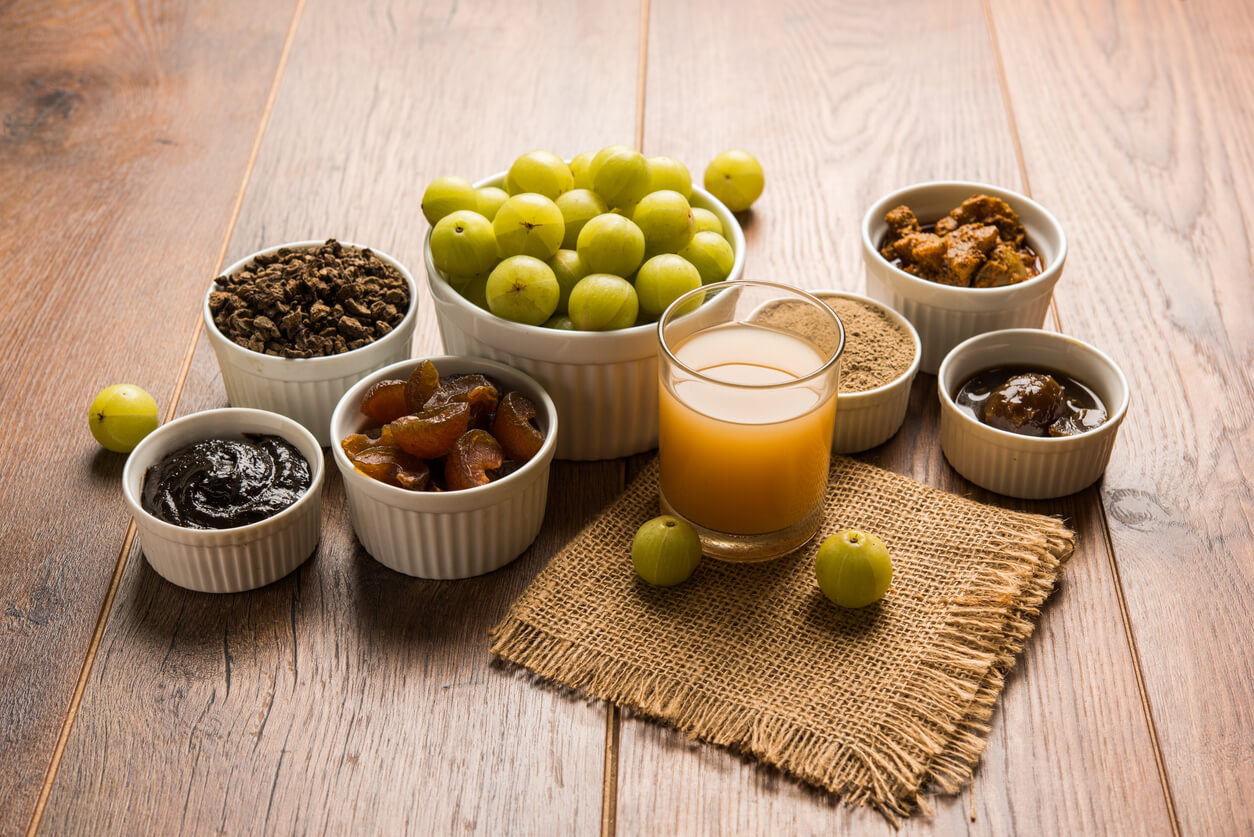
While amla berries have yet to become staples in grocery stores in the industrialized world, you can sometimes find them in South Asian grocery stores and farmers markets in regions with Indian communities. If you’re lucky, you may occasionally find them in mainstream supermarkets during the harvest season of autumn to winter.
Look for pale green fruit; the taste when ripe is sour, bitter, and astringent, followed by a subtly sweet aftertaste.
More readily available are dried, powdered, capsule, and juice forms, which you can buy in natural foods stores, Ayurvedic shops, and from online retailers. Look for organic, non-GMO, and third-party tested products to ensure purity and avoid contamination with heavy metals or pesticides.
One of the organizations that tests supplements for safety and effectiveness is ConsumerLab. Recently, they published an article evaluating eight popular amla products.
I was particularly curious about their rating of one of the products, Amla Green Classic, because it’s made by my friend, Food Revolution Summit speaker and Mastering Diabetes co-author Cyrus Khambatta, PhD.
I can’t share the full article because it’s behind a paywall, but basically, only two of the eight products received ConsumerLab’s seal of approval, while Amla Green received a rating of “uncertain.” Obviously, I was concerned, since I’ve been recommending Amla Green for blood glucose control for a while now.
It turns out that the “uncertain” rating has nothing to do with the quality of the product — in fact, Amla Green ended up having the highest polyphenol content of any of the products tested, and the second lowest lead contamination. The problem was that ConsumerLab could not directly attribute the high polyphenol content to the amla berries because Amla Green contains other ingredients besides amla that also contribute to its antioxidant properties. And so its quality was rated as “uncertain.”
I share this story as a cautionary tale: Sometimes what looks like responsible consumer protection turns out to be nothing more than low-quality science.
How Much Amla Should You Take?

Amla shows such promise in managing cardiovascular and glycemic health that you might be tempted to shovel down the stuff. But as with just about everything, there’s a range that’s associated with benefit, and there’s such a thing as too much.
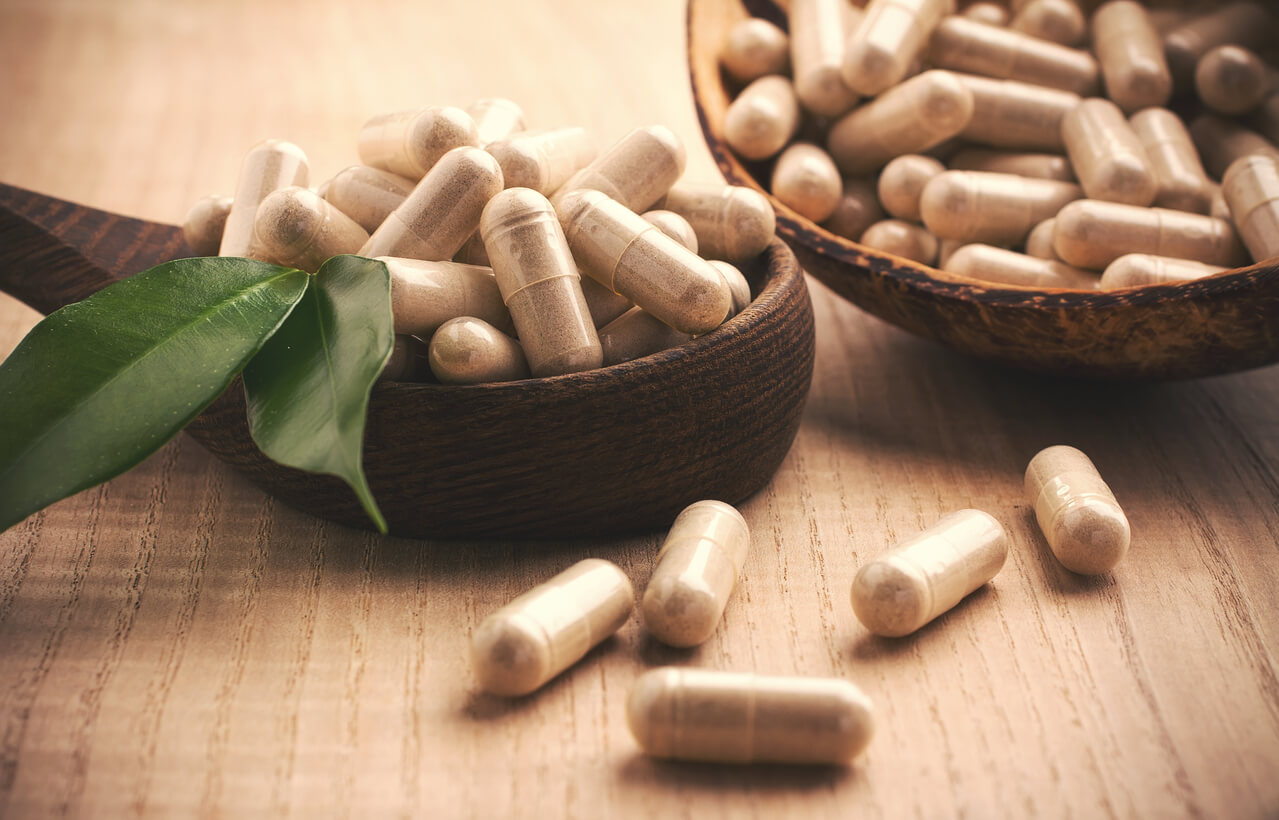
When we’re talking about powders, extracts, and other supplemental forms of amla, the sweet spot appears to be around 1,000 mg (or 1 gram) per day. This amount consistently demonstrates significant positive impacts on a range of cardiovascular risk factors, including good lipid numbers (total cholesterol, LDL, VLDL, HDL, and triglycerides), improved endothelial function (that’s the lining of blood vessels that we looked at earlier), and reduced systemic inflammation.
A gram a day is also associated with less oxidative stress (ie, cell damage), lower blood pressure, and less blood platelet clumping (which reduces the risk of stroke).
A daily dose of 1 gram has also been shown to be effective in lowering fasting and post-meal blood glucose, as well as long-term HbA1c levels. Someone with prediabetes or diabetes might benefit from higher doses of 2 or even 3 grams of amla powder per day, which can promote larger decreases in blood glucose.
Amla Side Effects and Safety Profile
Research and studies show that amla supplements are generally safe, with no reported side effects. Amla is well-tolerated — no patient in any of the published randomized controlled trials reported an adverse reaction serious enough to end the study prematurely. Very rarely, people taking amla have reported mild symptoms such as abdominal discomfort, indigestion, headache, or low-grade fever. These cases are so rare and occur with about equal frequency in placebo groups that it’s unclear if any of these were truly related to amla.
Amla Recipes from Amla Green
- Golden Milk Latte Cozy up with this golden cup of goodness! Turmeric, ginger, and cinnamon swirl together with Amla Green Pumpkin Spice powder for a warming hug in a mug. Black pepper helps unlock turmeric’s magic, while vanilla and just a hint of maple bring a touch of sweet comfort. A creamy almond milk base makes this latte the perfect way to sip your way to calm and nourish your body.
- Chocolate Strawberry Truffles Decadent meets nourishing in these dreamy little bites! Sweet strawberries and caramel-like medjool dates blend with rich cacao, almond butter, and a scoop of Amla Green for a burst of plant-powered goodness. Rolled into soft, chocolatey truffles and dusted with cocoa, they’re the perfect no-bake treat when you want something indulgent that still loves your body back. Enjoy them with a cozy cup of tea or pop a few into a jar for a sweet homemade gift.
- Amla-Infused Pumpkin Spice Soup This nourishing bowl is fall comfort at its finest! Pumpkin, sweet potato, and carrot simmer together with onion, garlic, and a hint of ginger, then get a creamy swirl of almond milk and a boost from Amla Green Pumpkin Spice. The result is velvety, warming, and packed with plant-powered goodness. Garnish with fresh herbs and curl up with a spoonful of autumn bliss in every bite.
Conclusion


Amla, or Indian gooseberry, offers a powerful natural way to improve metabolic health, backed by both centuries of traditional use and a growing body of scientific evidence. Amla’s exceptional polyphenol content, benefits for cardiovascular health (including reduced LDL cholesterol, blood pressure, triglycerides, and inflammation), and its proven ability to regulate fasting blood glucose, post-prandial blood glucose, and A1c, make it a valuable addition to a health-conscious lifestyle.
Whether consumed fresh, powdered, or as an extract, amla seems to be extremely safe and highly effective. It is particularly beneficial for people managing or seeking to prevent conditions like hyperlipidemia, hypertension, prediabetes, and type 2 diabetes.
As research continues to emerge, incorporating this “antioxidant king” into your daily routine could be a significant step towards improved metabolic health.
Editor’s Note: Amla Green makes it refreshingly easy to enjoy the powerful benefits of Indian gooseberry. Their powdered blends combine highly concentrated amla extract with flavorful ingredients like green tea or coffee, offering a tasty and convenient way to support metabolic health and inflammation response.
What sets them apart is their 20:1 extract, made from organic Himalayan berries, which are known for their exceptional nutrient density. While the exact amount per scoop isn’t listed on the label, their formula is third-party tested and shows high levels of active compounds. Best of all, they’ve removed nearly all the bitterness of raw amla, making this one of the most enjoyable ways to benefit from this revered superfruit.
Click here to explore the lineup and claim a special Food Revolution Network discount.
If you make a purchase through that link, Amla Green will contribute a portion of the proceeds to support Food Revolution Network’s mission. (Thank you!)
