
Many plant-based eaters assume that their diet eliminates the risk of high cholesterol. After all, plants don’t contain cholesterol.
But can they be at risk, too?
I can tell you from personal experience that the answer is yes.
For most of my adult life, I assumed I was doing everything right for my cardiovascular health, steering clear of animal products and eating a diet low in processed foods and high in fiber and whole plants. So when a routine blood test in 2019 came back with an LDL of 170 mg/dL (4.4 mmol/L), I thought there must be a mistake. That doesn’t happen to me.
It wasn’t a mistake.
What followed was a fascinating, humbling, and occasionally maddening education in how cholesterol actually works, and it’s a big part of why I wanted to write this article. But more on my story in a moment.
In this article, we’ll explore the science of high cholesterol. You’ll see that while diet is a huge factor, it’s not the only one. And you’ll get practical tips and steps to support healthy cholesterol levels that go beyond what you include or exclude from your plate.
What Is Cholesterol and What Does It Do?

Cholesterol is a fatty substance that performs a number of vital functions in your body. It’s needed for the construction and repair of cell membranes and to make important hormones, including:
- Sex hormones like estrogen, progesterone, and testosterone
- Stress hormones such as cortisol
- Water and electrolyte-balance hormones like aldosterone
- Vitamin D, which your skin starts making from cholesterol when exposed to sunlight
Cholesterol is so vital that your body doesn’t take any chances; your liver produces all the cholesterol you need. You don’t need to get any cholesterol from food.
Cholesterol isn’t water-soluble, so it can’t dissolve in your bloodstream on its own. Your body deals with this by binding cholesterol to protein molecules that can travel through the blood. These combinations of fats and proteins are known as apolipoproteins (fun tongue-twister!).
Simplifying a bit for our discussion, there are two apolipoproteins of note. One is apolipoprotein B (ApoB), the main protein of LDL cholesterol. This is the “delivery” form, responsible for getting cholesterol to the cells where it’s needed.
The second is apolipoprotein A1 (ApoA1), the main protein in HDL cholesterol. It’s the “waste management” form, and its job is to help remove excess cholesterol from your bloodstream.
The difference between those two functions is why LDL is considered the “bad” cholesterol while HDL is thought of as the “good” one. Both are necessary for life, so “bad” and “good” are simplistic labels. But because our modern diet and lifestyle make us prone to high LDL cholesterol, and this condition is a known precursor to cardiovascular disease, it’s a useful way to think about it.
How bad is “bad” LDL cholesterol? It’s a major risk factor for some of our most common and deadly chronic diseases, including atherosclerosis (plaque buildup in arteries), coronary artery disease, peripheral artery disease, and stroke.
What are Healthy Cholesterol Levels?

So, what is considered “high” cholesterol? And what are normal levels? The answers come from decades of studies that have correlated cholesterol with health outcomes.
For total cholesterol, a level below 200 mg/dL (5.2 mmol/L) —that’s “milligrams per deciliter,” or “millimoles per liter” if you’re outside the US— has long been considered desirable. More recent research has found that, in addition to the total number, the LDL-to-HDL ratio is also a risk factor for disease.
That’s one reason why total cholesterol can be a misleading number. It lumps together different types of cholesterol, including LDL and HDL. Someone with high total cholesterol might have excellent cardiovascular health if their HDL level is especially high. It’s kind of like labeling someone “obese” based on their body weight, even if most of their weight is coming from lean muscle, not fat. Without knowing the breakdown, the total number doesn’t tell the full story.
LDL cholesterol should ideally be less than 100 mg/dL (2.6 mmol/L). That said, if you’re below 130 mg/dL (3.4 mmol/L), that’s pretty good. Between 130 and 160 mg/dL (3.4–4.1 mmol/L) is borderline high, while anything above 160 mg/dL (4.1 mmol/L) is considered high.
In contrast, higher HDL cholesterol levels are associated with better health. So HDL at 60 mg/dL (1.6 mmol/L) or higher is considered optimal, as it appears to offer protection against heart disease. For men, anything below 40 mg/dL (1.0 mmol/L) is considered a risk factor, while for women, that number rises to 50 mg/dL (1.3 mmol/L).
There’s another blood lipid, triglycerides, that’s not part of the cholesterol family but is also important when assessing risk. For optimal health, your fasting triglycerides should be below 150 mg/dL (1.7 mmol/L).
| Type of Cholesterol | Desirable | Borderline High | High | Very High |
| Total Cholesterol | < 200 | 200–239 | ≥ 240 | > 300 |
| LDL (Bad Cholesterol) | < 100 | 130–159 | 160–189 | ≥ 190 |
| HDL (Good Cholesterol) | ≥ 60 | 40–59 | < 40 (men), < 50 (women) | N/A |
| Triglycerides | < 150 | 150–199 | 200–499 | ≥ 500 |
A note on units: This table uses mg/dL, the standard in the US. If you’re in New Zealand, the UK, Australia, Canada, or elsewhere in Europe, your lab results are probably in mmol/L instead. To convert, divide the mg/dL number by 38.67 (so 200 mg/dL ≈ 5.2 mmol/L).
High LDL cholesterol and triglycerides are a problem. They’re strongly associated with increased risk of heart disease, stroke, and other forms of cardiovascular disease, which are the world’s leading killers. According to large-scale studies, every 39 mg/dL (1 mmol/L) decrease in LDL cholesterol is associated with about a 22% lower risk of cardiovascular events. Elevated triglycerides, especially when paired with low HDL, are also a key factor. They’ve been linked to a significantly increased risk of cardiovascular events and all-cause mortality.
But what about when your cholesterol gets really low? Is there a point where that becomes dangerous?
Technically, yes. Extremely low LDL or total cholesterol levels (like, below 40 mg/dL (1.0 mmol/L) for LDL and 120 mg/dL (3.1 mmol/L) for total cholesterol) have been linked in some studies to hormonal imbalances, increased cancer risk, and hemorrhagic stroke.
What about low HDL cholesterol? If it’s the good kind, don’t we want it to be as high as possible?
Not exactly. Remember, the job of HDL is to clear cholesterol from your bloodstream. If you’re eating a fully plant-based diet that’s low in saturated fats and devoid of cholesterol, you may well have low LDL and total cholesterol levels. In that case, you don’t need so much HDL.
Joel Fuhrman, MD, puts it this way in his book Cholesterol Protection for Life: “Populations with the highest HDL levels have the highest rates of heart disease. In other words, when you do not have an atherosclerosis burden, you do not need a high HDL to remove stored lipids within the plaque. If there is no plaque, more HDL is not needed, and the body then keeps the levels low.”
So HDL is kind of like a city’s sanitation department. You want enough garbage trucks to pick up all the trash on a timely basis, but no more. And the less garbage you produce, the fewer trucks you need.
There’s evidence for this. The EPIC-Oxford study found that vegans had lower total and LDL cholesterol levels than meat-eaters, with HDL levels slightly lower as well. However, the favorable LDL-to-HDL ratio in vegans was associated with a reduced risk of cardiovascular disease.
If you haven’t had a lipid panel recently, or ever, it’s worth asking your doctor for one. Knowing your numbers is the essential first step, and many people are surprised by what they find. Many guidelines recommend testing every 4 to 6 years for adults with no known risk factors, and more frequently if you have a family history of heart disease, are over 40, or have other cardiovascular risk factors.
What Factors Influence Cholesterol Levels?
So let’s get back to our original question: Can plant-based eaters have high cholesterol even if they don’t eat any foods that contain it? Yes, and I know this from personal experience.
What My Own Numbers Taught Me
For most of my life, I assumed my cholesterol numbers were the least of my worries. I ate what I considered a cardiovascularly exemplary diet, complete with little or no animal products, minimal processed food, high in fiber, and whole plants. Then in 2019, my LDL came back at 170 mg/dL (4.4 mmol/L), and my Apolipoprotein B (ApoB) was high, too. I was stunned. And then I spent several confused years watching the number stay elevated while I kept eating what I thought was an optimally healthy diet.
During that time, I had a coronary calcium scan and was relieved to find a score of 0.0, which meant no atherosclerotic buildup had occurred. I started monitoring my blood pressure regularly, and thankfully, it seemed to always be in the normal range. That was reassuring. But the high LDL numbers were still bothering me, and by the summer of 2024, my doctor was beginning to raise the question of statins.
I wasn’t opposed to statins in principle. The research on them is real, and sometimes they can be the right call. But I wanted to know first whether I could move the needle with diet. My dad suggested I try eating as pristinely as possible for a month. For me, that meant cutting out plant cheese, plant butter, bread, sweets, and all flour products and essentially eliminating every category of food where saturated fat or refined carbohydrates might be sneaking in. I ate 100% whole foods. My only oils were olive, avocado, and flax.
On October 14, 2024, my LDL came back at 99 mg/dL (2.6 mmol/L).
That was a revelation. It told me pretty clearly that my LDL is highly responsive to what I eat. I gradually loosened up again, with a bit of vegan cheese here, some dessert there, the occasional slice of bread, eating at restaurants, and sure enough, by June 2025, my LDL had climbed back to 176 mg/dL (4.6 mmol/L). I went strict again for 2 weeks and got it down to 132 mg/dL (3.4 mmol/L).
I’m still figuring this out. Honestly, I’d like to be able to enjoy a pat of vegan butter on my whole grain bread without it reading as a cardiovascular event. So more recently, I’ve been experimenting. Oatmeal most mornings. Daily amla extract, citrus bergamot, and ground flaxseed. (More on these supplements later.) The idea is to see whether targeted nutrition can give me a bit more room to maneuver. The jury is still out.
What I’ve learned is that the range of individual responses to diet is enormous. Some people can eat fairly freely, and their numbers barely move. Others, like me apparently, have LDL that tracks their diet almost in real time. As Dr. Dean Ornish puts it, “Genetics loads the gun, and lifestyle pulls the trigger.” But some people’s guns seem to fire on a hair trigger.
That’s why this article exists. Not to frighten you, but to give you the tools to understand your own numbers and to know what levers you can pull.
Now let’s look at the specific factors involved. We’ll start by looking at food and then consider other factors that could undermine even the cleanest diet.
1. How Diet Influences Cholesterol Levels
Your daily food choices directly influence your body’s cholesterol production and absorption. Every meal is an opportunity to either support healthy cholesterol levels or work against them. Here’s how to make your plate work in your favor.
Foods that Lower LDL Cholesterol
Some foods do heavy lifting in lowering LDL cholesterol.
Oats and barley contain beta-glucan, a soluble fiber that acts like a sponge, binding to cholesterol in your digestive system and escorting it out of your body. Just one bowl of oatmeal daily may reduce LDL by 5–10%.
Legumes (beans, lentils, chickpeas) are fiber powerhouses. Their combination of soluble fiber and plant protein makes them particularly effective in lowering LDL cholesterol. Aim for at least one serving daily.
Flaxseeds deserve special attention. Consuming a couple of tablespoons per day of ground or well-crushed flaxseeds has been shown to reduce LDL cholesterol. Grinding matters because whole flaxseeds can pass through undigested, so crushing them helps you absorb their omega-3s and lignans. The key is to eat flax as ground seeds (not oil), so their fiber and lignans stay intact and work together for maximum benefit. Interestingly, a 2012 study found that adding flaxseeds to drinks lowered cholesterol more than when the seeds were incorporated into baked goods.
Plant sterols and stanols are especially plentiful in nuts, such as almonds, walnuts, and pistachios, and are also present in legumes, some fruits and vegetables, unrefined olive oil, and whole grains. They have similar molecular structures to cholesterol and compete for the same intestinal transport proteins. Practically speaking, this means they physically block some cholesterol-absorption sites and reduce the amount of cholesterol that enters your bloodstream.
Colorful fruits and vegetables provide antioxidants that prevent LDL oxidation, a process that makes cholesterol more harmful to arteries. Berries, apples, and leafy greens are especially rich in protective compounds.
Soy Foods like tofu, tempeh, and edamame contain isoflavones that modestly reduce cholesterol production. Include them a few times weekly for best results.
Beyond these broader food categories, a handful of specific foods have posted especially strong results in clinical trials — in some cases rivaling older cholesterol medications, at genuinely small daily doses.
Specific Foods With Measurable, Drug-Like Effects
Summer savory, a common culinary herb, may be one of the most potent. A double-blind randomized trial found that just 1/3 teaspoon of ground dried leaves daily dropped LDL cholesterol by 27 points in people with metabolic syndrome over 10 weeks. Try sprinkling it into soups, stews, or bean dishes.
Apples are an easy win: a randomized trial found that eating two medium apples daily reduced LDL cholesterol by 24% in postmenopausal women with elevated cholesterol, likely thanks to their pectin (soluble fiber) and polyphenol content.
Brazil nuts offer a fascinating case of “less is more.” A single dose of just 20 grams of Brazil nuts — about 4 whole kernels — dropped LDL cholesterol by 20% within 24 hours, an effect that persisted for a full month. Because Brazil nuts are extremely high in selenium, daily consumption isn’t recommended; four nuts once a month appears to be the sweet spot for benefit without risking selenium overload.
Artichoke hearts may help too. A meta-analysis of 14 studies found that artichoke supplementation lowered LDL cholesterol by 17–18 points. Most of this evidence comes from concentrated leaf extracts rather than the artichoke hearts you’d eat at dinner, so consider 1/2 cup of no-salt-added artichoke hearts daily a reasonable, food-based approximation rather than a directly tested equivalent.
Black soybeans are another strong contender. A randomized trial found that an anthocyanin-rich black soybean seed-coat extract (2.5 g/day) lowered LDL cholesterol by 14 points over 8 weeks. Whole cooked black soybeans likely offer a similar benefit, though the exact equivalent amount hasn’t been established in a peer-reviewed whole-food trial. A reasonable estimate is roughly 1 tablespoon of cooked black soybeans daily.
Lemon balm, a lemony herb in the mint family, showed a 13-point LDL reduction at a dose of about 1 teaspoon of the ground herb daily in a randomized, placebo-controlled trial of people with borderline high cholesterol. (Note: drinking lemon balm tea alone doesn’t appear to offer the same benefit — you want the ground herb itself.)
Sumac, the tangy purple spice common in Middle Eastern cooking, was shown in a systematic review and meta-analysis of randomized controlled trials to lower LDL cholesterol by about 9 points, with an effective dose of around 1.5 teaspoons daily. (Skip it if you have a cashew or mango allergy, since sumac is in the same plant family.)
Foods That Increase LDL Cholesterol
Added sugars — especially in sugary drinks — hit your bloodstream quickly, and when there’s more than your liver can use right away, it converts the excess into fat and VLDL particles that circulate as triglycerides and LDL cholesterol, raising cardiovascular risk over time. Refined carbohydrates like white bread and pastries pose a related but distinct concern: their rapid glucose/insulin spikes.
Saturated fat makes it harder for your liver to remove LDL cholesterol from your blood by reducing the number of receptors in your liver that normally help clear it out. Some types of saturated fat can also increase the amount of fat your liver sends into your bloodstream.
These fats are packaged into particles called VLDL (very-low-density lipoproteins), which the body gradually converts into LDL cholesterol through an intermediate step The result? More LDL cholesterol stays in your blood, especially the small, dense type. And these are the particles most closely linked to clogged arteries and heart disease.
While meat and dairy are the main sources of saturated fat in the modern diet, there are vegan sources as well. For texture and mouthfeel, tropical oils like coconut and palm oil are often added to packaged vegan items such as vegan butters and margarines, non-dairy creamers and cheeses, and baked goods like cookies and cakes.
Trans fats, found in some processed foods, raise LDL while lowering HDL. Check labels for partially hydrogenated oils. Although the U.S. Food and Drug Administration deemed them “unsafe to eat” in 2015, there are still loopholes that allow small amounts into food.
What About Dietary Cholesterol?
Dietary cholesterol is only found in animal products. There is none in any vegan foods. And many vegans think this makes them immune to concern about blood cholesterol levels. But the truth turns out to be more complicated.
For most people, eating cholesterol in food has only a modest impact on blood cholesterol levels, if any at all. That’s because your liver adjusts its cholesterol production based on how much you’re getting from food. That’s why eating eggs or shrimp (which are high in cholesterol but low in saturated fat) doesn’t typically raise heart disease risk for most people, especially when they’re part of a healthy, plant-rich diet. That said, the story might be different for people who are hyper-responders or who already have metabolic or cardiovascular disease.
Cholesterol-Lowering Diets
Plant-based approaches consistently produce lower cholesterol levels, with vegans doing better than vegetarians. A 2023 meta-analysis of 30 trials found that plant-based diets reduce LDL cholesterol by 10% and total cholesterol by 7%. Vegans show a 26% lower risk of heart disease compared to meat-eaters, and significantly lower cholesterol levels. But eating a vegan diet just means you don’t eat meat, dairy, or eggs. It doesn’t indicate what you DO eat. And unsurprisingly, that matters, too.
Two evidence-based approaches stand out for cholesterol management.
The Portfolio Diet combines consumption of four classes of cholesterol-lowering components (soluble fiber, soy protein, plant sterols, and nuts) with avoidance of foods high in saturated fat. A 2003 study found that people who followed it closely reduced their LDL cholesterol levels by up to 30%, which is comparable to the effects of some older cholesterol-lowering medications. A more recent 2025 cohort study found that, adherents to the Portfolio Diet had about a 16% lower risk of dying from heart problems compared to those who followed it the least.
Joel Fuhrman’s Nutritarian Diet is a plant-rich, nutrient-dense eating plan focused on maximizing health and longevity by prioritizing foods with the highest nutrient-to-calorie ratio. It was designed to support weight loss, reverse chronic disease, and reduce dependence on medication, especially for conditions like heart disease, diabetes, and high blood pressure.
In a study published in the American Journal of Lifestyle Medicine, more than 2,200 people who adopted a nutritarian eating pattern saw dramatic health improvements. Among 328 participants not using cholesterol-lowering medications, LDL cholesterol dropped by an average of 42 points (from about 171 to 128 mg/dL or 4.4 to 3.3 mmol/L) in just 1 year. Those already taking statins saw an even greater average drop of 48 points in LDL, suggesting that even when medication is already actively lowering cholesterol, a whole food, plant-rich diet can drive substantial additional improvement.
Many also experienced significant weight loss, lower blood pressure, and reduced triglycerides. Some even reversed symptoms of advanced heart disease — without drugs or surgery. While this was a survey-based study rather than a randomized trial, the findings add powerful evidence that a whole food, plant-forward diet can profoundly improve cardiovascular health.
2. Genetic Factors
Some people are born with conditions that lead to high cholesterol levels, regardless of diet.
One of these is familial hypercholesterolemia (FH), which is a fancy way of saying “high cholesterol that runs in families.” It’s a genetic disorder that causes high LDL cholesterol levels from birth, more than 400–500 mg/dL (10.3–12.9 mmol/L) in children and 300 mg/dL (7.8 mmol/L) in adults.
FH affects about 1 in 200–500 people and greatly increases the risk of early cardiovascular disease. Elevated lipoprotein(a) — Lp(a) to its friends — is another genetically determined condition that increases heart disease risk and is not directly influenced by diet. Lp(a) is a different case from the cholesterol numbers we’ve covered so far: it’s measured in either milligrams per deciliter (mg/dL) or nanomoles per liter (nmol/L), not mmol/L. Unfortunately, these units are not directly interchangeable, for reasons that might require both of us to have PhDs in molecular biochemistry for me to explain and for you to understand.
Fortunately, I can provide a table of commonly accepted thresholds.
| Lp(a) Level | mg/dL | nmol/L | Risk Assessment |
| Low to Normal | < 30 mg/dL | < 75 nmol/L | Low risk |
| Elevated | 30–50 mg/dL | 75–125 nmol/L | Moderately increased risk |
| High | > 50 mg/dL | > 125 nmol/L | Increased cardiovascular risk |
| Very High | > 100 mg/dL | > 200 nmol/L | High to very high risk |
While FH is treatable with lifestyle changes and medication, there is currently no specific medication approved to reduce Lp(a). If your Lp(a) is elevated, your best bet is to focus on lowering your overall cardiovascular risk through lifestyle management.
3. Lifestyle

In addition to what you put into your mouth, the way you live your day-to-day life can have a significant impact on your cholesterol levels. For example, physical inactivity, stress, poor sleep, smoking, and alcohol consumption can all raise LDL cholesterol.
Exercise
Exercise is one of the most powerful levers you can pull to improve your cholesterol levels. Especially when combined with weight loss, physical activity can reduce LDL cholesterol and support healthy HDL levels.
Stress
Stress can ramp up cholesterol in your body in several ways. First, there are direct links, which are primarily hormonal. When you’re stressed, your body releases cortisol. Chronically high levels of this stress hormone can signal your liver to increase its production of LDL cholesterol and triglycerides.
Another stress hormone, adrenaline, floods your bloodstream with triglycerides and fatty acids, mobilizing them as a source of quick energy. If they aren’t used up by running away or fighting (the original dual-purpose repertoire of the stress response), they stick around and raise circulating lipid levels.
Stress can also undermine other lifestyle strategies, like diet and exercise. Let’s put it this way: It’s more common to stress-eat cake than salad. And stress also predisposes you to sit on the couch and doomscroll through an infinite feed of social media posts rather than hit the gym, the mat, or the park.
Fortunately, various forms of stress management, including yoga and meditation, can positively affect cholesterol levels. A 2022 meta-analysis of over 50 randomized controlled trials, including more than 13,000 participants, found that yoga lowered LDL cholesterol and triglycerides by an average of 9 mg/dL (0.2 mmol/L) and 13 mg/dL (0.1 mmol/L), respectively. And practicing yoga slightly boosted HDL cholesterol, so win-win-win.
Meditation may be even more powerful. A 2024 meta-analysis of 16 clinical studies, including more than 1,000 participants, found that various forms of sitting meditation lowered cholesterol by an average of about 14 mg/dL (0.4 mmol/L) and triglycerides by about 33 mg/dL (0.4 mmol/L).
Sleep
We’ve known for a while that poor sleep is a risk factor for cardiovascular disease, and recently, researchers have been identifying how they’re connected. Sleep deprivation has been shown in animal studies to cause imbalances in cholesterol levels, which suppresses the conversion of cholesterol into other compounds. This leads to excess cholesterol accumulating in the body.
Smoking
Smoking is linked to many chronic diseases, including those of the cardiovascular system. One of the paradoxes of smoking is that people often gain weight after they quit, which you would think would predispose them to more cardiovascular risk.
However, it turns out that the risks of weight gain are more than offset by improvements in cholesterol levels, particularly the increases in two different forms of HDL.
Alcohol
Heavy or frequent alcohol use raises triglycerides and may raise LDL cholesterol in some people, especially if they also indulge in diets high in fat or sugar. Chronic alcohol use can harm the liver, impairing how your body handles fat and cholesterol.
A 2011 meta-analysis found that moderate drinking (defined as one drink per day for women and up to two for men) increased HDL cholesterol and one of its key components, apolipoprotein A1. But the same meta-analysis found that moderate drinking may elevate triglyceride levels. Putting this together, the American Heart Association tells us that while moderate alcohol intake may increase HDL, the risks of alcohol outweigh the potential benefits for most people.
4. Metabolic and Hormonal Factors
If you’ve never touched an animal product in your life, your cholesterol levels could still be off the charts, thanks to the cholesterol factory in your liver. Certain metabolic conditions disrupt this assembly line.
Take diabetes, for instance. When insulin resistance sets in, your liver goes into overdrive, pumping out more cholesterol-rich particles while simultaneously struggling to clear them from your bloodstream. It’s like having a factory that’s ramped up production, but the loading docks aren’t working, so packages just keep piling up.
Thyroid dysfunction can also dramatically alter this delicate balance. An underactive thyroid essentially slows down your body’s cholesterol recycling program, leading to a build-up even if you’re eating a squeaky-clean diet.
Then there’s non-alcoholic fatty liver disease. When your liver accumulates excess fat, it disrupts the dance of cholesterol production and metabolism, often resulting in elevated levels regardless of dietary choices.
We’ve seen that cholesterol is a building block for hormones. In turn, those hormones affect how cholesterol is processed in the body.
Estrogen increases HDL and lowers LDL cholesterol. That’s why LDL levels typically rise following menopause.
Diet can come to the rescue here, at least partially. A 2021 study found that a low-fat vegan diet, which included soybeans, significantly reduced severe hot flashes and improved lipid profiles in menopausal women.
Low levels of testosterone correlate with higher cholesterol, which is why testosterone therapy has been found to lower total cholesterol, too.
(For more on how to balance hormones with diet and lifestyle, see our article here.)
5. Environmental Factors

Many chemicals in our air, soil, and water can also raise cholesterol levels. Research shows that prolonged exposure to air pollution can negatively affect your cholesterol balance.
The worst offenders are the tiniest particles, the ones smaller than 2.5 micrometers in diameter. Known as PM2.5, these particles are generated by combustion from car engines, fossil-fuel-burning power plants, industrial facilities, and wood-burning sources, as well as natural sources such as wildfires, dust storms, and volcanic eruptions.
Breathing in PM2.5 particles has been linked to higher levels of total and LDL cholesterol, as well as triglycerides, and lower levels of protective HDL cholesterol. This is yet another reason that an indoor air filter could be helpful if you can afford it. (For more on indoor air pollution and filtration options, see our article here.)
Similarly, exposure to per- and polyfluoroalkyl substances (PFAS) can also impact your cholesterol. They’re ominously called “forever chemicals” because they don’t break down naturally in the environment or the human body. Instead, they persist for years, decades, even centuries, accumulating in soil, water, animals, and people.
A 2023 study found that, among its many potential harms, PFAS exposure can notably increase cholesterol in certain lipoprotein particles.
Statins: Helpful or Harmful?
Statins are the main class of cholesterol-lowering drugs. Among the most well-known are Lipitor (atorvastatin), Crestor (rosuvastatin), and Pravachol (pravastatin).
Say you’ve been eating a healthy vegan diet for many years and are physically active, but your cholesterol remains high. Should you take a statin?
For most people, they work well, typically lowering LDL cholesterol by 30–50%, which can significantly reduce the risk of cardiovascular events.
And they’re generally safe, though some people experience side effects like muscle pain, digestive issues, and changes in liver enzymes.
The problem with statins is that some people rely on them as a “free pass” and skip over the lifestyle changes that address the root of the problem. While statins can effectively lower LDL cholesterol (which, as we’ve seen, is a key risk factor for heart disease), they only address part of the picture.
They don’t address obesity, insulin resistance, high blood pressure, or the damage to blood vessels caused by a poor diet, smoking, lack of sleep, chronic stress, and a sedentary lifestyle. And they won’t protect against other diet-related conditions like type 2 diabetes, non-alcoholic fatty liver disease, or certain cancers.
Whether to take a statin is a personal decision that should take into account your overall health, cholesterol levels, and individual risk of cardiovascular disease. Tools like the 10-year ASCVD risk calculator can help you and your healthcare provider make an informed choice.
One more thing worth asking your doctor about: ApoB. Earlier in this article, we mentioned apolipoprotein B (ApoB), the protein that carries LDL cholesterol through the bloodstream. Standard lipid panels measure LDL cholesterol concentration, but ApoB measures the actual number of cholesterol-carrying particles, and research increasingly suggests it’s a more accurate predictor of cardiovascular risk than LDL alone. My own elevated ApoB was part of what made my cholesterol picture more concerning than LDL alone might have suggested. Not all doctors routinely order this test, but it’s worth requesting, especially if you have a family history of heart disease or your LDL is borderline.
Can Supplements Help?

There are several supplements suitable for vegans that can help keep high cholesterol in check.
Psyllium husk is a soluble fiber that lowers LDL.
Red yeast rice contains monacolin K, a compound that’s chemically identical to lovastatin, one of the original prescription cholesterol-lowering statin drugs. It can be effective, but it also comes with the same risk profile as pharmaceutical statins, including potential muscle pain, liver stress, and drug interactions. The added complication is that the amount of monacolin K in red yeast rice varies considerably from product to product and even batch to batch, making it difficult to know how much of the active compound you’re actually getting. For this reason, it’s worth approaching red yeast rice with respect and caution, and having a conversation with your doctor before starting.
Amla powder, derived from the fruit of the Indian gooseberry plant, contains tannins, vitamin C, flavonoids, phenolics, phytosterols, and saponins — all of which can help manage cholesterol. Supplementation with amla has been shown in some studies to decrease LDL by 15–30% and reduce total cholesterol and triglycerides, while increasing HDL.
For more on the remarkable health benefits of amla berries and the brand that I take daily, see our article here.
Chokeberries (aronia) owe their cholesterol-lowering and cardioprotective effects to a rich array of phytochemicals, especially polyphenols. A 2020 meta-analysis found that daily chokeberry supplementation not only significantly reduced total cholesterol but also lowered systolic blood pressure.
Dr. Fuhman’s LDL Biotect contains a blend of plant sterols, including organic pomegranate extract, organic chokeberry, and organic amla. This exact formulation has not yet been tested in a clinical trial, but each component has demonstrated cholesterol-lowering and antioxidant effects.
Citrus bergamot appears to work as a natural statin, reducing the body’s cholesterol production. Clinical studies have found that it can lower LDL (“bad”) cholesterol by 15% to 30%. While this is a step below prescription statins, which typically achieve a 30% to 50% reduction, bergamot has a much lower side-effect profile, entirely avoiding the muscle pain and fatigue often associated with pharmaceutical options. This makes it a promising option for people who can’t tolerate statins or want a natural alternative.
Typical clinical trials use 500 to 1,000 mg of a standardized extract daily. A premier choice at this dosage level is Double Wood Citrus Bergamot Extract, which provides 1,000 mg per 2-capsule serving (ideally, you want to take two 500 mg capsules at different times in the day). It uses Bergamonte®, a gold-standard trademarked extract derived directly from Citrus bergamia Risso in Calabria, Italy, to deliver a full-spectrum extract containing all the essential active compounds required to mimic the “statin-like” effect. If you try other products, look for a standardized extract. The active compounds are brutieridin and melitidin, and not all products contain meaningful amounts of them.
Importantly, citrus bergamot doesn’t have to do the heavy lifting alone. When it’s combined with amla (Indian gooseberry), oatmeal, flax meal, and other healthy lifestyle factors, research and clinical experience suggest the effect on your LDL cholesterol levels can be quite powerful. However, because it’s highly bioactive and can interact with certain medications, you should consult your healthcare provider before adding it to your regimen.ody’s cholesterol production. This makes it a promising option for people who can’t tolerate statins or want a natural alternative.
Cholesterol-Friendly Recipes
Looking for delicious ways to support healthy cholesterol levels without sacrificing flavor? These cholesterol-friendly recipes are packed with fiber, plant-based protein, and heart-smart fats to help nourish your body naturally. From a vibrant breakfast bowl to a creamy slaw and a hearty lentil loaf, each dish is crafted with whole food ingredients that are as satisfying as they are supportive.
1. Banana Berry Breakfast Bowl
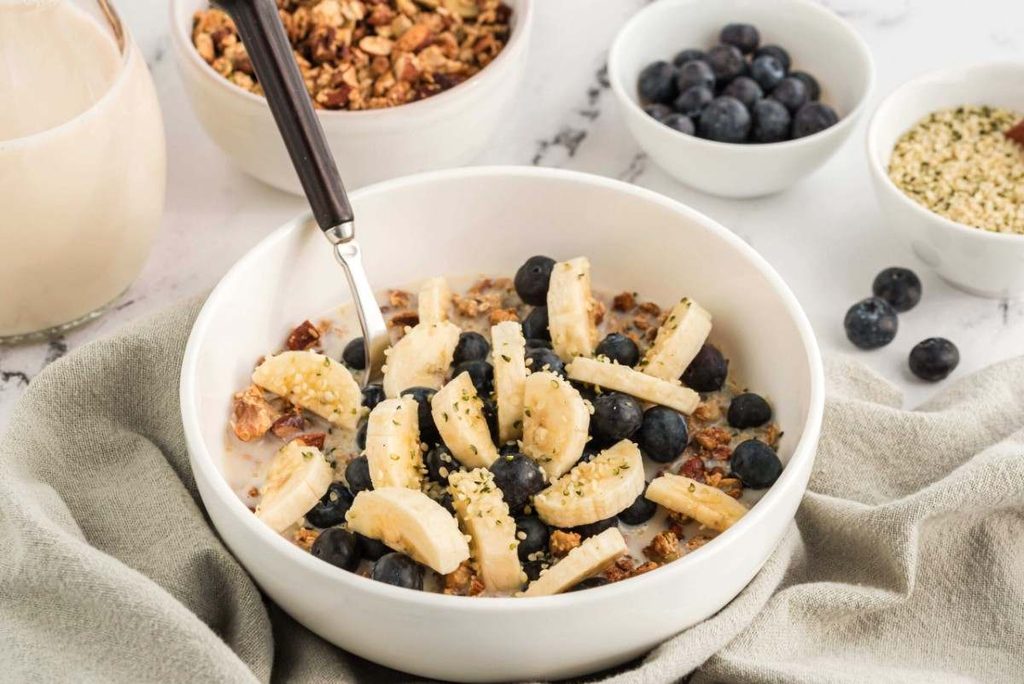
The Banana Berry Breakfast Bowl is a heart-smart way to start your morning, combining fiber-rich oats, crunchy walnuts, almonds, pecans, and pumpkin seeds, all gently sweetened with maple syrup and cinnamon. Layered with bananas, blueberries, and a splash of plant-based milk, this bowl offers a balanced mix of soluble fiber and healthy fats to help support healthy cholesterol levels and keep you feeling full and energized.
2. Easy Creamy Apple Slaw

Fresh, tangy, and delightfully creamy, the Easy Creamy Apple Slaw combines crunchy red cabbage, crisp apples, carrots, and slivered almonds in a silky, silken tofu dressing. With apple cider vinegar, maple syrup, and mustard adding flavor without cholesterol or saturated fat, this slaw is a vibrant, nutrient-rich side that pairs beautifully with any plant-based meal.
3. Lentil Flax Loaf

The Lentil Flax Loaf is a satisfying, savory main dish made with lentils, oats, and flax for a triple boost of plant-based protein, fiber, and omega-3s. Packed with vegetables and seasoned with warming spices, it’s topped with a zesty tomato glaze for extra flavor. This loaf is a comforting and nourishing option for anyone looking to support heart health without compromising on taste.
Final Takeaway

Yes, vegans can have high cholesterol. But a fiber-rich, whole food, plant-based diet remains one of the most effective tools we have for supporting cardiovascular health, especially when combined with regular movement, restful sleep, and stress management.
If your numbers still need support after optimizing your diet and lifestyle, there are supplements like amla berry, citrus bergamot, chokeberry, and psyllium husk that could make a real difference. And, when appropriate, there are medications that can meaningfully help. None of this has to be all-or-nothing.
I’ll be honest: I’m still working on this myself. My cholesterol story isn’t over. I’m still experimenting, still testing, still trying to find the right balance between eating in a way that’s sustainable and enjoyable and keeping my numbers where I want them. What I’ve learned is that staying curious and proactive matters more than being perfect. Your body will give you feedback if you pay attention to it. Get your numbers tested. Ask your doctor about ApoB. Try the oatmeal. Add the flax. See what moves the needle for you.
The real takeaway is that cardiovascular health isn’t a fixed protocol; it’s a practice. I’m still working on mine. And the levers are there. It’s just a matter of learning which ones to pull.
Editor’s Note: Up to 90% of heart disease can be prevented with diet and lifestyle. To find out how, watch Food Revolution Network’s free Healthy Heart Masterclass with Dr. Mimi Guarneri. Sign up right here.
Tell us in the comments:
- What is your experience with diet and cholesterol?

Thank you sooooooo much Ocean!!!
What a deep dive I to causes of high LDL when eating WFPB. I may have found that mysterious cause of my high LDL…..saturated fat was in the oatmeal almond bars I buy and keep in my backpack when I dont have time to eat a proper meat while away from. Now, I will pack a meal and always have one in a cooler when I go out.
Thanks again for your loving research. This was the second time I have read this article. Got a lot more from it this time around.
Thank you for being here, and for your feedback, Holly! –Ina, Food Revolution Network Team
Ocean, Judging from the number of comments on this post, it appears to be one of the most popular and relevant. I hope you will continue to post updates on this topic. I hope you have found and will share what works best for you to keep your cholesterol numbers in check.
WHAT are your side effects, Tom? How long have you been on the statin??
THAT sounds delicious and nutritious! 😃
MANY THANKS for such a detailed article. 👏🏾👏🏾👏🏾
I found out 18 months ago that I have “elevated” cholesterol after being injured. Last week’s three- month update shows HDL up and LDL down, but total cholesterol steady at 211. (Down from 235 last spring. I’ve made minor modifications to diet, especially since June.)
The APN threatened six months ago to prescribe a statin. I REFUSE. I’ve been healthfully vegan since 1999. Time to ramp up my program. I’m tuning in for the master class tomorrow. Because health IS wealth.
Very true, Vickie! Glad you are finding something that works for you! –Ina, Food Revolution Network Team
I am a hyper responder as you are. I have to be very tight with my diet to do well. I also have a fib so that ups the motivation to tighten the diet as well. Plant based butter, no. Very much oil, no. Must be very careful with sweets and tofu is rather high in fat so must be careful with that too. Have found recipes to make bean based tofu going to try.
Thanks for sharing that, Laurie! –Ina, Food Revolution Network Team
I’m so glad this article gave you some new information and a new perspective on this issue. I wish you the best in your continued health! –Ina, Food Revolution Network Team
Your doctor may be able to guide you in weaning off if it’s recommended! Certainly worth a try to speak to them about it. –Ina, Food Revolution Network Team
This is a great tip, Jennifer. Thyroid issues are very common in women and certainly should be checked. –Ina, Food Revolution Network Team
Thank you for sharing your experience, Sandie! How interesting that your numbers changes so drastically in such a short time. Here’s to continued healing! –Ina, Food Revolution Network Team
Thanks for this question, Harriet! The honest answer is that raising HDL is trickier than lowering LDL, and the research here is less clear cut. That said, a few things do tend to help.
Regular exercise is probably the most reliable lever, especially when it is fairly vigorous and consistent. Movement supports healthy HDL levels along with lowering LDL, so if you have room to add more activity, that is a good place to start.
Stress management also plays a role. Practices like yoga and meditation have been shown in research to modestly improve cholesterol profiles, including small increases in HDL, alongside reductions in LDL and triglycerides.
Hormones play a part as well. Estrogen tends to raise HDL and lower LDL, which is part of why HDL often shifts around menopause. This is not something you can control directly through diet, but it helps explain why numbers can change with age or life stage.
You may also come across information suggesting that moderate alcohol intake can raise HDL. While there is some research behind that, most health organizations, including the American Heart Association, feel the risks of alcohol outweigh any potential HDL benefit, so we would not recommend using alcohol as a strategy here, but it’s something to note.
I hope these tips help! –Ina, Food Revolution Network Team
You are very welcome, Deloris. –Ina, Food Revolution Network Team
Let us know how the flax works for you, and if your numbers go down at all. Best of luck! –Ina, Food Revolution Network Team
Excellent, Diane. Here’s to better health! –Ina, Food Revolution Network Team
I’m very happy that you got some new info here, Suz! –Ina, Food Revolution Network Team
Maddie, we are so sorry for your loss. What a stressful thing to go through. We really appreciate you sharing the information about LPa–perhaps it will help someone here at FRN in the future! Sending you lots of love. –Ina, Food Revolution Network Team
Thank you for sharing a bit of your story with us, Polly. Wishing you continued and better health! –Ina, Food Revolution Network Team
You’re so welcome, Mary. –Ina, Food Revolution Network Team
I’m so glad we could give you a new perspective, Andree. Wishing you the best! –Ina, Food Revolution Network Team
We are so happy to hear you enjoyed it! –Ina, Food Revolution Network Team
Nancy, thank you so much for your kindness! I’m so glad this article hit home for you, and gave you a new perspective. Thanks for being here in our community! –Ina, Food Revolution Network Team
You’re very welcome, Christine! –Ina, Food Revolution Network Team
Hi Jo! I did answer Ric’s comment above, but here’s a copy of that answer in case you didn’t see it:
You are right that in past summits, a common recommendation was one Brazil nut per day for selenium needs. The guidance in this article is actually addressing something a bit different. It is not about daily selenium intake, it is about a specific cholesterol lowering effect. Research found that a single dose of about 20 grams of Brazil nuts, roughly four nuts, dropped LDL cholesterol by 20 percent within 24 hours, and that benefit lasted for about a month. Because Brazil nuts are so concentrated in selenium, eating them daily is not recommended long term, so four nuts once a month appears to be the sweet spot for that particular cholesterol benefit without risking too much selenium buildup.
So these are really two separate purposes. If your goal is topping up selenium, smaller regular amounts, like one nut a day or so, is the general guidance you may have heard before. If your goal is the LDL lowering effect described in this article, four nuts once a month is what the research supports. I hope this is helpful! –Ina, Food Revolution Network Team
Thank you for reading it, and for the kind words, Sarala. –Ina, Food Revolution Network Team
You’re very welcome, Sarah! –Ina, Food Revolution Network Team
Hi Ric, You are right that in past summits, a common recommendation was one Brazil nut per day for selenium needs. The guidance in this article is actually addressing something a bit different. It is not about daily selenium intake, it is about a specific cholesterol lowering effect. Research found that a single dose of about 20 grams of Brazil nuts, roughly four nuts, dropped LDL cholesterol by 20 percent within 24 hours, and that benefit lasted for about a month. Because Brazil nuts are so concentrated in selenium, eating them daily is not recommended long term, so four nuts once a month appears to be the sweet spot for that particular cholesterol benefit without risking too much selenium buildup.
So these are really two separate purposes. If your goal is topping up selenium, smaller regular amounts, like one nut a day or so, is the general guidance you may have heard before. If your goal is the LDL lowering effect described in this article, four nuts once a month is what the research supports. I hope this helps clarify! –Ina, Food Revolution Network Team
You are so welcome, Patty! I’m so happy you got a lot out of it. –Ina, Food Revolution Network Team
You are very welcome, Vinayak! –Ina, Food Revolution Network Team
I’m so glad this article resonated with you, Julie. Thank you for being here. –Ina, Food Revolution Network Team
This is very interesting, Dee! –Ina, Food Revolution Network Team
Thanks so much for reading and for your kind words, HJM! –Ina, Food Revolution Network Team
Thank you for your feedback and for sharing a bit about your own history, Marie. Much appreciated! –Ina, Food Revolution Network Team
It sounds like you are on your way to better health, Brenda! I hope the changes you are making show up in your bloodwork next time around. –Ina, Food Revolution Network Team
Thank you so much for sharing the article, Barbara! –Ina, Food Revolution Network Team
Thank you for being here in our community, Maryanne, and for your very kind words. –Ina, Food Revolution Network Team
That’s such a wonderful result of following Dr. Fuhrman’s recommendations, Doreen! I’m so glad you’ve found something that really works for you. –Ina, Food Revolution Network Team
Thanks for sharing this, Julie! Very interesting. –Ina, Food Revolution Network Team
Thanks so much, Christa–and thank you for being here! –Ina, Food Revolution Network Team
Thank you for this feedback, Nancy–much appreciated. –Ina, Food Revolution Network Team
Just a note. There’s a toxic fungus that’s often in red yeast rice supplements. Also, I have medical records to show that before I went vegan (but was eating fairly clean), when I was training for a marathon, I brought my cholesterol from 315 to within normal range— I think it was less than a year. I think the amount/ intensity of exercise is the magic fix!
Hi Annette! It’s available online at retailers like Amazon and iHerb. You can read reviews to get a sense of which brands are working for folks out there. –Ina, Food Revolution Network Team
You’re very welcome, Mary, and thank you so much for commenting. You are definitely not alone! –Ina, Food Revolution Network Team
Thanks so much for reading, Cheryl! –Ina, Food Revolution Network Team
I’m so glad this article helped you know you are not by yourself, Celeste! I hope the information helps a lot. –Ina, Food Revolution Network Team
I’m so glad this article caught you at the right time! Here’s to better numbers 🙂 –Ina, Food Revolution Network Team
Thank you Ocean for writing the most comprehensive article I have ever read about cholesterol. I just wanted to say that my husband used statins for a few years and I truly believe it caused him to end up with higher blood sugar. Also I think it effects the brain and one day the researchers would talk about it.
Great information to seriously consider, thank you.
My cholesterol has increased over the last 2 years simultaneously I’ve also gained weight these last two years. I believe the correlation is clear for me. Yes, heart disease runs in my family and so I’m quite curious about protecting myself.
I’ve noticed that medical cholesterol levels have gone down over the years and I have to wonder if it’s a pharmaceutical driven or is there another reason?
Look up what used to be considered normal cholesterol numbers. It is a known scam how the numbers have been adjusted to push sales of the statin drugs. The notion that the cholesterol is the problem when it does not clump up in vessels unless there is inflammation is similar to my husband being misled into taking acid blockers for reflux when stress causing less acid and the resulting fermentation from poor digestion was the true status. There was not a problem with excess acid! He is doing well since stopping the pills and using olive oil, sometimes a bit of cider vinegar. Thank you for the list of things we needed cholesterol to make or repair. Did you include brain tissue?
Thank you for this informative article. I’m not vegan, but am very plant forward and largely whole food, yet, like you, I fight high cholesterol. I also have a calcium score of 0. I’ve recently added oatmeal with freshly ground flax, chia seeds, Ceylon cinnamon, ground ginger, walnuts, berries and banana to my breakfast rotation. After reading this I’ll be adding pumpkin seeds and sliced almonds as well! Thank you very much!
Excellent article. Glad you mentioned Lp(a). I had a similar experience in 2011. I was able to avoid 2 stents by going on the plant-based diet. I wrote the book Stop Eating The Animals which shows how human health and animal welfare are aligned. My website is StopEatingTheAnimals.org It’s 2026 and I still don’t have the stents. Even with low cholesterol, statins help stabilize plaque. I applaud your work. If you want, let’s chat sometime.
What are the best foods to put weight on.
I need a diet that can give me 3000 calories .
You’ve written one of the best articles ever.
Ocean a question: if your coronary calcium scan was 0.0 and there was no deposit then maybe that 170 for LDL does not matter. I’ve been vegetarian for very long now and have had high LDL and high cholesterol even though I’m not a big cheese eater, never drink milk, no creamy stuff but I do have yogurt once in a while. I’m probably totally wrong and it’s a wishful thinking. Honestly I have to have sour dough bread. It’s an addiction😂
This was a great article. I especially like the part about the Brazil nuts. I was doing two a day.
Excellent article. I struggle with this inherited cholesterol issue as well. Always researching for solutions! Thank you.
Try Eden apple butter!
Therese you are so right , i would never take a statin.
Unfortunately oatmeal is a catylist for a big sugar spike after eating it. And adding bananas and other fruits to it, spikes your blood serum even more.
I’m a long term vegan (47 years) with super high cholesterol. I also don’t consume palm or coconut oil, and eat whole foods. They say it’s familial. But from reading your article, I’d say it is also from lack of estrogen (early menopause) and I am always low in Vitamin D (have to take Vegan Vitamin D3 – 5,000 to 10,000 IU daily)…and my liver could be making a lot of cholesterol to compensate for the lack of Vitamin D.) I also take statins. I wish my cholesterol levels were 170 like yours!
Thanks so much for this article! It resonates with me personally my mother, grandfather and uncle all had heart disease and I recently found out I had high lipoA as well (so does my son). My coronary artery score is zero, but I’m on the fence about new medications coming to market maybe as early as next year.. something my cardiologist might recommend in future. I will try some supplements listed here to see if that helps in lowering my numbers!! Some things I’m already doing, but I’m always inspired by these articles! Thanks Ocean! 🌊❤️
Also, the first sentence of this paragraph seems wrong. Didn’t you mean “low” HDL, not high?
High LDL cholesterol and triglycerides are a problem. They’re strongly associated with increased risk of heart disease, stroke, and other forms of cardiovascular disease, which are the world’s leading killers. According to large-scale studies, every 39 mg/dL (1 mmol/L) decrease in LDL cholesterol is associated with about a 22% lower risk of cardiovascular events. Elevated triglycerides, especially when paired with low HDL, are also a key factor. They’ve been linked to a significantly increased risk of cardiovascular events and all-cause mortality.
Just before the recipes, some of your text got cut off.
Has anyone tried the 2 day oatmeal diet that was done at the University of Bonn?
There are a number of articles on this study and it’s effect on LDL.
I had to order them online. Couldn’t find them anywhere in a store.
Well, I have been on a Plant based diet for 7 years and all take a statin. Being that I am on a special diet can’t I just cut the statin drug out all together. I am worried about the side effects . Tom T.
Thanks so much for this, Ocean. ME TOO! I’ve been eating WFPB since seeing your food revolution summit in 2018, and, while my high cholesterol fell quickly into a range my doctor is satisfied with, I’ve never been anywhere near optimal (other than my HDL, which seems to stay nicely high). I got Dr. Greger’s new book about cholesterol and added psyllium husk to my morning oatmeal and I’ve been eating 4 Brazil nuts once a month. My numbers did creep downward, but still not optimal. It’s reassuring to know you are dealing with the same thing. Good luck to us both!
Thank you, Ocean, for a very informative article.
Active female, weight and bmi all good. My cholesterol levels skyrocketed when my hypo active thyroid issue went undiagnosed until I was really ill. Once on thyroid meds thought it would come down – it didnt. I struggled for years to bring it down eliminating meat completely but never reduced it below 270. I eventually went on to statins which helped and now have appropriate levels. Take away – insist on thyroid levels being checked annually once you reach 50!
I’ve had this exact experience with my cholesterol. In my mid-50’s due to moderately high cholesterol levels, I began a vegetarian diet that I thought was healthy. I was not over weight and was reasonably active. Approaching 60 years old my cholesterol had continued to climb reaching a total of 296 with LDL at 223. How could this be? I joined the Inflammation Reset Program with Cyrus Chambata, went vegan, reduced daily fat to less than 30 g per day, implemented 6 days per week exercise. In 3 months my total cholesterol dropped 90 points and LDL dropped 73 points. I am still in the program working toward cholesterol in the normal range. I hadn’t realized that my vegetarian diet was high fat and was driving my cholesterol up so much. Clearly, I am very sensitive to dietary fat and need to restrict as much as possible. Thanks for the article.
Dr. Neil Nedley has bergamot tabs. My HDL was 156 and my doctor wanted me to start Statins. At the same time Dr Nedley was offering the tabs, which I have been taking This month. Won’t know until labs in November how they’re doing. Good luck.
This is a great article, thank you!
Maybe I missed it but suggestions on raising the “good” levels to optimal range when all other numbers are in optimal range?
I never heard of black soy beans-I’ve never seen them here. I’m intrigued and hope they make an appearance here some day soon.
This article was so helpful! Knowing what the numbers mean and how plant based foods impact the numbers are so important. I will review my cholesterol numbers. Thank you.
Have a similar problem . Use LDL Biotect from Fuhrman and did Apo B test which was below 90mg/dl indicating that though LDL elevated at 121 the elevation was less concerning although I would like to achieve less than 100 LDL. Have increased tofu and beans and rarely eat bread. Strive for nutritarian diet as much as possible. Daily except occasional other things at celebrations but always vegan. Based on this article will likely try increasing ground flax
Thank you for this insightful thus helpful information. I will definitely add some of the cholesterol lowering items to my diet.
This has been one of the most beneficial sources of info on high cholesterol and I now understand why my remains so elevated despite what I consider leading a healthy lifestyle. Thank you!
I drink Earl Grey tea. It’s flavorful and contains citrus bergamot. Stash tea makes a double bergamot that is delicious. IHerb has the bergamot supplements if you want that. They are a safe and reliable place to buy supplements without the warehouse worry of Amazon storage.
My seemingly very healthy husband died two years ago from a massive heart attack. He had no symptoms – excellent diet, daily exercise, never got short of breath, normal cholesterol levels (150 total). Turns out he had LPa, the genetic problem that leads to heart attacks in about 20% of those who are genetically related to others with the gene. His father had a heart attack at age 59, had bypass surgery and lived to 86. The early heart attack probably prolonged his life. My husband didn’t have the early heart attack, probably due to his lifestyle, but it got him at age 72. Out of the blue. He had huge amounts of cholesterol in his blood vessels. They can test for that LPa, but you have to ask for it. It’s not something they screen for. Also, they are very close to being able to treat it with some sort of RNA drug (not a doctor – you’ll need to ask your doctor).
Look at the research done in your country by ZOE. They have lots of studies and offer support. I am a fan not affiliated with the company in any way.
Thanks Ocean! This is great. I have hypothyroidism so getting and keeping my cholesterol down is a challenge. I find taking a supplement with Phytosterols, Phytostanols, (which is recommended by the portfolio diet) finally did the trick. I remember to take a holiday from it once in a while because I think it works to slow production of cholesterol by the liver. I worry that interfering with a natural process long term may have consequences. I can’t find any studies on this. So I’m going to be safe not sorry. 😬
Thank you so much for this deep dive on cholesterol. Mine’s been high since first blood work at age 19 and this information explains a lot.
Dearest Ocean, this article packed with reassurance and inspiration is just what I needed, my cholesterol levels, although vegan, need some action to be taken. Thank you!
I love everything you do and appreciate your information immensely, thank you. As a teacher, I seem to find errors in writing very annoying, so your editor(s) need to double-check their work.
As a vegan of over 30 years and vegetarian for 20 years before that I was shocked when my cholesterol levels were so high. It’s familial as my brother told me he’s been on statins for years. I opted to go the natural route and my levels have gone down and the hdl/ldl ratio is much better.
Thank you for this article and sharing your experience and providing me with some new insights.
Gita
I have heard that as well. And my cousin, a former doctor, says the same. She still remembers the old numbers.
Hands down, THE best article and explanation about cholesterol I have read yet! Thanks for sharing your personal experience!
Hi, if you have asthma, please do not take any Brazil nuts. They often are moldy and they are not really a dietary necessity.
I stopped Brazil nuts completely, as they have a tendency to be moldy. My herbalist offers a nutmix without them for this reason. Much better, I think.
Great article Ocean! As a plant-based eater for almost 51 years & vegan for the last 35, I’ve dealt with some of this! I find eating whole-food is key & following the nutritarian model with no or little added oils is ideal. Exercise is also a must!
Thank you so much for this article and for bringing up this important subject. You are not alone! While so many adopting a whole food plant based diet, see their cholesterol dramatically decrease, it did not work that way for me. I knew cholesterol was in my family but I never knew it had a name: FH. I did the portfolio diet for two weeks, my cholesterol went down by 30% but unfortunately it was not a sustainable way to eat. Like you, my calcium score is 0 which is reassuring. I have been taking alma, bergamot, eating oatmeal, flaxseeds, psyllium husk, for years, but I do eat out, eat bread and love to bake occasional healthy sweets. I have recently started taking a low statin dose. I don’t like taking meds but I decided it was the safe thing to do while I continue exploring ways to move the needle with my diet. Thank you for sharing your experience.
YES, STATINS ARE TOXIC and very POISON !!! and BRING IN BIG BUCKS for BIG PHARMA !!! SOOOOOO ……. BEWARE !!! OUR BRAINS NEED CHOLESTEROL to THRIVE !!! IE to FUNCTION WELL !!!
Thank you just what I needed 🙏🏻
How very true and that’s because Doctors here get paid to prescribe statins.
Could you do an article for people that already have a build up of plaque in their arteries?
Again you have gone above and beyond. One of the absolute best articles ever written on cholesterol.
This is so helpful, thank you. I’m in the UK and, in my experience, our family doctors just push statin medications and don’t offer any support or information for lifestyle changes. I’ve tried statins and feel terrible on them, so I’ve been trying everything I can to lower my levels more naturally – with some success, but this article will help me a great deal. Your work is so important and your presentations are so inspiring. A million thanks!
informed you that I really never have a problem with cholesterol I am on a plant-based diet except for I started recently eating hard-boiled eggs because of the book I read by a neurologist
Thank you so much for this wonderful and informative article. It was truly eye-opening and gave me valuable knowledge about different approaches to managing my cholesterol and improving my overall health.
Ocean, after nine years of eating a totally compliant diet, with zero animal products and zero oils of any sort, my Total Cholesterol had only gone down from 230 to 180 and stayed there (although my husband had started at 135 and gone down to 90! same direction but different genetics….). We spoke on the phone with Michael Klaper who analyzed my diet and lifestyle factors and said not to worry as my liver decides how much cholesterol to produce, and I have zero additional risk factors for heart disease.
More recently, Professor Colin T. Campbell has promoted the understanding of all the hooplah around cholesterol (and saturated fat as well) as an industry-forced take on the real culprit: animal protein!!! He has multiple proofs based on research, and very convincing explanations. All those “associations” of saturated fat and cholesterol with heart disease were truly the associations with animal protein…..!!! Which industry and pharma fought tooth and nail to not allow to be publicized.
Ocean, this is the best and most relevant article with practical implications and numbers to follow that I have seen. I have the same issues you do and will try these tweaks. Vegan alone isn’t working for my cholesterol, but I seem in excellent health and exercise 10+ hours a week at age 64. I’d like to know more about cholesterol and menopause and hormones. Thank you for being a shining beacon.
Thank you for such an interesting and useful article.
I have been taking a recommended amount of 4 a day. Need some clarity on this!
Excellent article with all the details.
What a brilliant article. I have taken so much away from this and will be making changes. Thank you so much Ocean.
ok. this must be something new. in the summits, you’ve recommended 1 brazil nuts per day. now it’s only 4 of them for the whole month? well, i must be on overload then. oh well: at least i’ll be saving some money.
WOW! What a fantastic article with thorough information regarding cholesterol information! this is an amazing amount of information all in one article. THANK YOU for providing this amazing information.
This is the brand that I recently started taking.
https://amzn.to/3QEiauN
I was thinking along the same lines as your comments. Perhaps people are not walking health time bombs as much as it may seem…
Thanks for an excellent article
Thank you for being honest and real with us. Even with a nearly “perfect” diet, some of us can still really struggle with cholesterol. And thank you for giving us more tools in our toolbox that doesn’t require drugs or surgery.
Adding chia seeds alone to my diet for a few months lowered my total cholesterol 5%which took it to below 200. I changed nothing else in the general diet which consisted of fruits and vegetables and chicken and pasta for the most part.
Very impressive work on this article. I’m still not planning to be vegan, but it was very insightful to get the info on how so many things we eat and do can impact our cholesterol levels.
May I ask- what do you think specifically made your numbers worse being a vegetarian? I’m really struggling with this.
As I put in my own comment above, nothing raises my cholesterol levels faster than tropical oils (ie palm, coconut, etc.) I bet you see a big improvement!
BTW, I’ve made some delightful “ice cream” in my ninja creami using soymilk as the base.
Tropical oils raise my cholesterol levels faster than any other factor. (perhaps you hyper-respond to those as well?)
But wow, your numbers are ridiculously high for a vegan! (strong genetic component!!) I would really consider a statin instead of solely trying to eat perfectly for the next 40-50 years. I have been trying to keep my numbers down with diet for 25 years and what I have to show for it is moderate to severe coronary artery calcium and a CAC of 264. Also, keep in mind that 0.0 just means that you have no calcified plaque; it says nothing about your softer, more dangerous, plaque that is prone to rupture.
I am not suggesting statins only; they should be in conjuction with a plant/whole foods heavy diet.
Very timely… my story is (almost) yours. 90% plant based, I add all the good foods you mentioned (flaxseed, walnuts, soy, apples etc), HDL is 90+, low triglycerides. Active lifestyle. But LDL remains stubbornly about 135. Very frustrating. I’m going to push for the newer test that may show a genetic component.
So similar to my story. I too thought I was doing everything right. It is complicated for sure. Thank you Ocean for sharing your journey.
A most worthwhile article, thank you !
Simply explained with lots of take home messages!
Wow, what a great article! Nothing overlooked, and all well explained. Thank you!
I have found that cutting out oils and eating 6 servings of greens a day really helped me. I already eat a plant based diet.
I always knew about Citrus Bergamot, but where do you get it? My health food store does not carry it. I realize it is expensive but I would like to start taking it.
Thank you for such a thorough article! My LDL was fine, my HDL was high and I was wondering why my doctor was concerned! I understand better now. Thank you so much for your Work!
Super awesome information!
Thank you so much for sharing your journey with us. This has been so helpful and informative. I, too, struggle with this problem. I blamed myself at first, but have come to understand that it’s very complicated. This has helped me sort it out. You are a truly kind and generous person.
This article is timely! I had my annual bloodwork done and my cholesterol was high! Across HDL, LDL, and Tri-glycerides. And – looking at my history – it started climbing when I switched to being vegetarian 4 years ago. This information is very helpful; thank you.
You lost all credibility when you said statins are safe!
I just had my cholesterol checked and my LDL went from 133 to 123. I’m still “working on it” though and hope to see it go down further. Plant based diet, exercise, and attempting stress reduction has helped and will hopefully help get this number down further.
I just for the first time in my life at 59 and as a Vegan found out that I had so-called high cholesterol. I just couldn’t believe it so I had to research like what could possibly be causing high cholesterol.
I said to the clinical team the only thing I eat that has the bad kind of fat. The saturated fat was coconut oil and coconut cream, actually which I used to use a lot and make my banana nice cream, frozen dessert with, but about a year ago I switched to Trader Joe’s light coconut milk and the doctor said oh that’s interesting because around that time you’re the cholesterol actually went down a little bit.
So now I cut coconut milk out completely. I’m taking a teaspoon of third-party tested Alma powder every day and we’re doing a three month trial because when they said a statin, I was like what? lol. We are doing a 3 month trial.
I take the Amla powder in 16 ounces of homemade lemonade made with Stevia.
Also, recently we found that cigarette smoke coming into my apartment was making me sick. I have an air quality monitor right here. I have two air purifiers a floor one and then a desktop one right next to me where I sit and I have asthma from mold, so this is all very interesting that that all could be possibly connected. .
Excellent Article. I have passed it on to several frirnds. Thank you for all your research. Like you, I do a lot of research and testing. I love it.
Ocean, thank you for this very comprehensive article. I’m one of those people with familial high cholesterol. I’ve tried two types of statins but both made me unwell. A few months ago I adopted a vegan diet after watching your food revolution series. I stopped taking the statins at that time. Im just about to get a test to see what my cholesterol levels are after 3 months of very clean eating. I really hope that it has worked because I don’t want to take them. At the same time I’ve embraced all the other habits that lead to good health so I’m feeling a great deal healthier and have lost six kilos. My biggest challenge is managing stress and I do understand how big an impact it has so I’m really working on it.
Thank you for being such an amazing educator and force for good in the world.
Maryanne Abood
I started Dr. Joel Fuhrman’s Nutritarian diet five months ago and dropped LDL levels by 50 points in that time frame. My doctor was astonished. I use 2 grams of Amla powder almost daily, but not the other supplements recommended for lowering LDL. The emphasis on nutrient density in the Nutritarian diet is best for me because I am too small (about 100 pounds) to allow myself to have calories from oils and most grains. I do eat a generous serving of nuts and seeds daily, including flax and walnuts. I aim for 40 to 50 grams of fiber daily from vegetables and fruit, though I am not sure of the exact amounts when not tracking in Cronometer. This way of eating is truly health promoting!
One suggestion missing in the article is black seed–it does a pretty good job of lowering LDL. My wife and I sprinkle it on various foods we eat.
Thank you Ocean for this great information.
For all those on a statin, you might want to experiment with a lower dose. I was put on 5mg Crestor, the lowest dose, and it brought my numbers down so well I cut the pill in half and even 2.5mg continued to bring them down. Not much, but still down, and I was satisfied with the numbers so have stayed on 2.5mg. Discuss this with your doctor first though.
I have been taking a liver supplement and my cholesterol has lowered for the first time in years – I was advised that sometimes your liver stops processing cholesterol effectively
I also had a very good result from an arteries scan and my dr has now backed off insisting on statins and Instead wants me to keep doing a healthy lifestyle – haven’t been able to lower my triglycerides though!
So much good information, thank you
Personally I question the numbers they have come up with to indicate cholesterol levels as “high”. Apparently the number considered normal was much higher years ago. They lowered the numbers based on who knows what, oh wait, right after they lowered the number to make it seem that one had high cholesterol, the statin drugs came out. Sounds like big pharma manipulation to me. A geriatric doctor I know said that as one gets older cholesterol rises and that is perfectly normal. He said the number means nothing unless you know the persons age. Just some food for thought.
I have a high level of LPa, The WFPB diet does not raise the numbers. but, I have found nothing that lowers the level
This is an excellent article. Thank you! I am 75 and pretty much controlled my high cholesterol (discovered at age 54) through plant based eating until age 72. Then the numbers kept creeping up regardless. I went on a low dose statin at that point, but have continued my WFPB lifestyle. This article supported all the research I have done over the years. Nice job.
Thanks so much for your kindness, Gary. –Ina, Food Revolution Network Team
It gets better just be patient. Sorry you can’t get back to where it is. You need to be but these things take time right. I’ve recently been dealing with a couple of hardships myself regarding my health.but know I’m at peace with the decisions that I’ve made. If there’s one bit of advice that I could give everyone it would be this. Due on the others as you want done to you. God bless.
Hello Verdell! Thank you for sharing this update. You’re right that coconut oil, chronic stress, low activity, and poor sleep can all contribute to rising LDL, even on a vegan diet. Adding oatmeal back in regularly is a great move too, its soluble fiber is well known to help lower LDL over time.
It’s wonderful that retirement has already eased some of your stress, and building in more movement and better sleep will likely support your levels as well. It sounds like you’re taking a thoughtful, well rounded approach, and working with your physician on the statin while you make these changes is exactly the right way to do it.
Thank you for being part of this community and for sharing your journey so openly. We’re glad the information helped bring some clarity, and we’re rooting for good news at your next check. –Ina, Food Revolution Network Team
I too was shocked to find my LDL high and getting higher while on a vegan diet. I see from reading this article that there are contributing factors. I really enjoy coconut oil taste being from the Caribbean, my life was very stressful until about 1 month ago when I retired, I was not doing any physical activity and I was not getting enough sleep. I am working on these issues and plan to reintroduce oatmeal on a more consistent basis along with other diet recommendations. My physician already prescribed atorvastatin so we’ll see what happens in the next few months. Thank you, Ocean, for your transparency and help. I was so confused about what was happening to me.
I had a heart attack, and the doctor says I have to stay on statins forever. Is there a way to safely replace Crestor? The doctor knows nothing about supplements, but do you think Bergamot for instance could replace statins? I have been vegan for 20 years but was eating Miyoko’s cream cheese and other coconut oils, so likely contributed to my high levels.
You are so welcome, Mary! We really appreciate your kind words. –Ina, Food Revolution Network Team
Thank you for being part of our community, Jimmie! Wishing you the best in getting those numbers down! –Ina, Food Revolution Network Team
Thanks for providing as usual such impactful information. I made a list of the foods that help maintain positive cholesterol levels. My levels as of 12/12/25 were LDL 122 HDL 68 and Triglycerides under 150.
My goal is to use the article you sent to decrease my LDL to under 100
My plan today is to prepare the lentil flax loaf
Please continue to provide these informative articles because they improve and save lives
Best regards
Thank you so much for all of this information. It’s the most and the BEST information I have ever read about cholesterol. I feel much better informed and that also makes me feel so empowered! Thank you Ocean.
Hello Celeste, this is very interesting! Thank you for sharing, and for being part of our community. –Ina, Food Revolution Network Team
Thank you for sharing a bit of your story with us, Janis! –Ina, Food Revolution Network Team
Hi Lynn! Thanks for the comment.
You’re right to be curious about the interaction between bananas and berries, as there has been some research suggesting that certain enzymes in bananas—specifically polyphenol oxidase (PPO)—might reduce the absorption of some antioxidants found in berries when the two are blended together in smoothies. In one small study, this enzyme appeared to lower the availability of a class of antioxidant compounds known as flavan-3-ols when consumed in this specific way. However, it’s important to understand that this effect was observed in a very limited context and with a small number of participants, focusing on just one type of antioxidant.
Despite this, bananas still offer a wide range of health benefits. They’re rich in potassium, vitamin B6, vitamin C, fiber, and their own set of antioxidants. These nutrients remain beneficial whether or not they’re combined with berries. And while bananas may impact the absorption of certain compounds in specific situations, the bigger picture in nutrition is always about overall dietary patterns.
The consistent inclusion of a variety of whole plant foods is far more important for long-term health than the impact of any single food combination. –Ina, Food Revolution Network Team
What a comprehensive and fascinating re port you have written! Thank you! I am a little confused about the banana and berry recipe, considering that bananas reduce the percentage of antioxidants and phytonutrients absorbed.
My LDL started rising about the same time I was diagnosed with hypothyroidism. It helps if I stay in a 21 or lower BMI. I attended Dr
Greger’s presentation and have his book, and I’ve found that taking a phytosterol supplement, in addition to the amla I was already taking, helped lower the LDL by 23 more points.
I have FH and my cholesterol has been very high. I switched to a Whole Foods Plant Based WOE and when I am being really good (not perfect) I can get my numbers down to where I am OK with it. (My cardiologist is NOT.) I do not take statins or any other cholesterol meds. I am trying to get motivated to be perfect just to see how low I can get. No one in my family will eat this way, and they think I am a bit crazy.
Oh, I do take several supplements daily!
I am 78.
My lowest numbers so fat are
TC 246
HDL. 49
TRG 84
LDL. 181
non-HDL 198
TC/HDL Ratio 5.02
At 19 my TC was about 525!. At that time that was the only number I received. My father passed this to me and I have passed it to three of our seven children. Two sons and one daughter. I do not know about our grandchildren, even though I have asked. 🤷♀️🥰
Thank you so much for sharing this, Laurel! That’s very interesting–I home that using the other nuts and seeds continues to be successful for you! –Ina, Food Revolution Network Team
I’m 77 and in excellent health. Having been on a WFPB diet for over 50 years , my cholesterol came back above normal at a wellness visit last year. My step daughters did as well. My doctor never said anything and when I later asked why she said “Because your good cholesterol numbers were stellar!” I later found out that cashews can inflate your bad cholesterol numbers. I used them in all my gravies, cheeses, salad dressings. So I’ve cut back a bit and found macadamia nuts make a heavenly Alfredo sauce, Brazil nuts/almonds are creamy and rich for gravy and sunflower seeds (as well as others) thicken my dressings and add new flavor dementions. So all’s well in Plantville!