
Starting in the mid-1930s, the Ford Motor Company used a bushel of soybeans in every car it made. No, they weren’t using soy sauce as wiper fluid. Henry Ford had challenged his engineers to figure out how to turn soy into plastic. At first, they used this soy-based plastic for gas pedals, window frames, horn buttons, and the knobs at the ends of gear-shifter rods — among other things. But in 1941, Ford unveiled the “Soybean Car,” which replaced much of the steel with soy plastic. It was half a ton lighter than the all-steel car it resembled, and it was safer. Sadly, it didn’t enter production, so we were never blessed with car names like the Ford Tofu or the Mercury Miso.
I tell you this partly because I think it’s a great story, and partly because it captures something essential about soybeans: They’re not quite like anything else in the plant kingdom. While they’re members of the legume family, their unique biochemistry has made them useful in ways that most foods never are — as food, as industrial material, as soil replenisher, and as one of the most hotly debated ingredients in modern nutrition.
That last part is what we’re here to talk about. Because for all the enthusiasm around soy, and there’s a lot of it, in both directions, the actual science is more interesting and more nuanced than the loudest voices on either side would suggest.
Should You Eat Soy?
Soy does get eaten by people — especially in many Asian cultures, where it’s been a significant source of nutrition for centuries. In fact, the Chinese word for soybean is “tatou,” which means “the greater bean.”
Legumes like soy make up a substantial portion of the diets in the Blue Zones — the areas around the world known for longevity, with many people living to 100 years or older.
Traditional Okinawans, who live in the Blue Zone of Okinawa, Japan, eat a lot of soy, mainly in the form of tofu and miso. They have among the world’s highest life expectancies. And those tend to be healthy life-spans. Soy-eating Okinawan elders are among the healthiest people in the world. Compared to North Americans, they have a staggering 80% less breast cancer and prostate cancer, and less than half the ovarian cancer and colon cancer.
Studies have also found that regular consumption of whole soy foods is associated with lower rates of many other forms of cancer, as well as heart disease and type 2 diabetes.
Despite all this positivity, soy is not without its detractors. Some wellness influencers blame soy for promoting breast cancer, and even growing “man boobs.” They also point out that most soy substitutes for cheese and meat are highly processed.
There are also valid environmental concerns. Some soy farming contributes to rainforest destruction. And most soybeans grown today are genetically engineered to be herbicide-tolerant, and then sprayed with glyphosate and other problematic pesticides.
So where does that leave us? Should you avoid organic tempeh? What’s good about soy, and what considerations are necessary when adding it to your diet? And what are some of the best ways to consume soy? Let’s get the facts.
What is Soy?
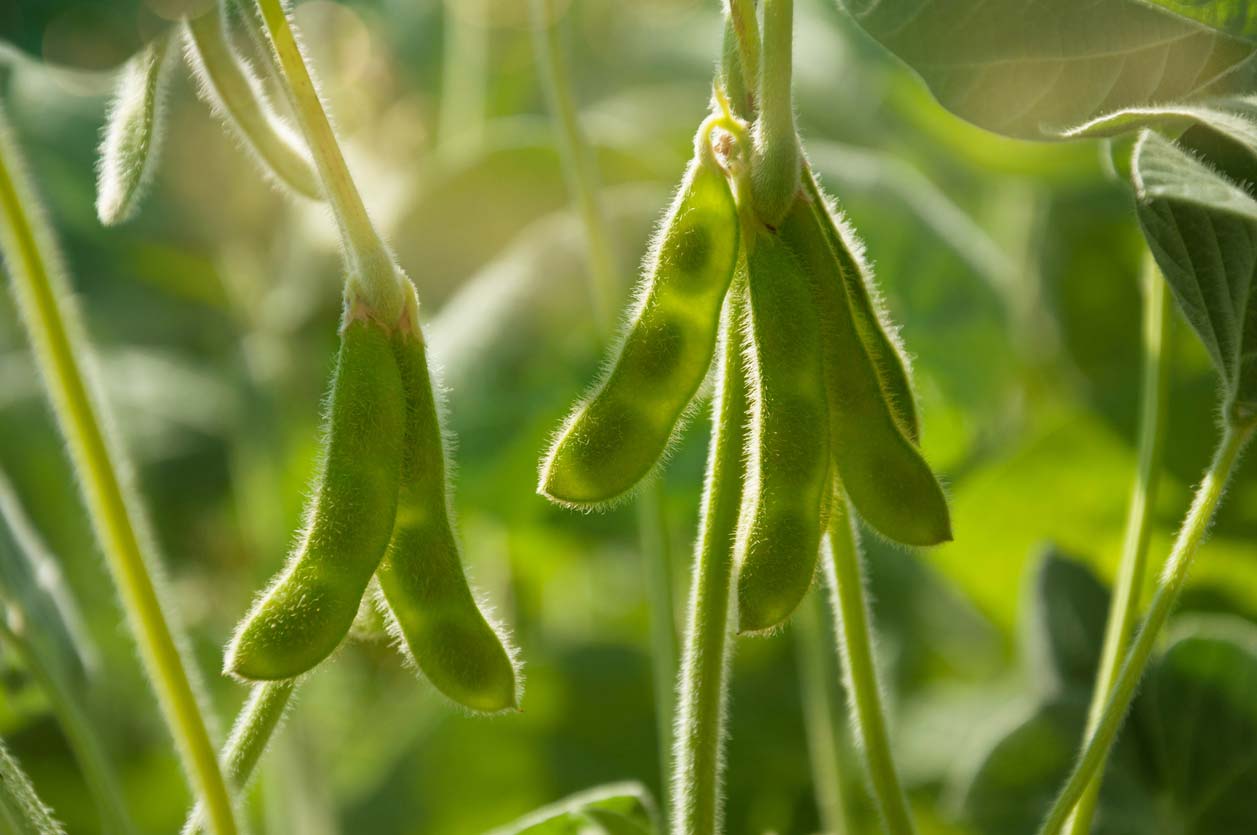
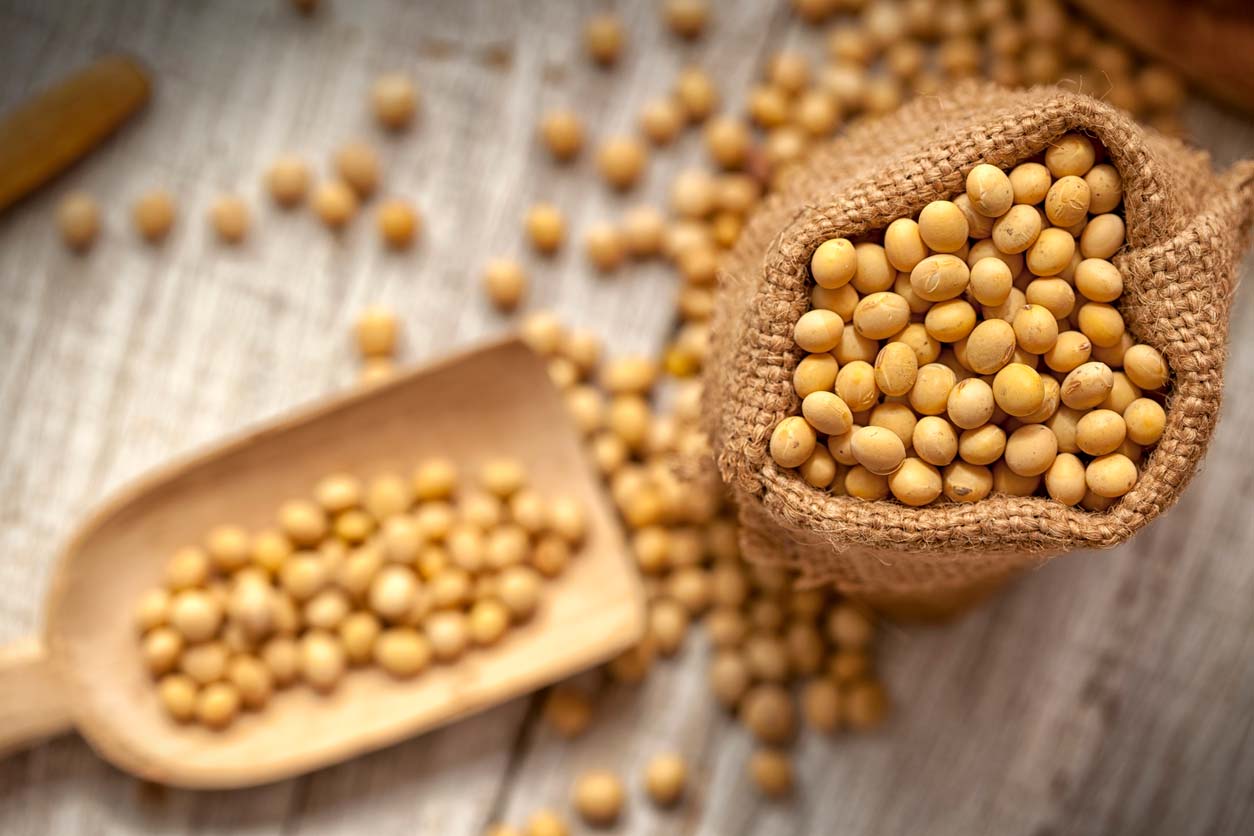
Soybeans, also called soya beans in the United Kingdom, are legumes that are native to East Asia. The official name of the soy plant is Glycine max (which sounds like the name of a streaming platform: “All soy, all the time.”) Most dried soybeans are light tan or pale yellow, while some varieties are black, brown, and even blue.
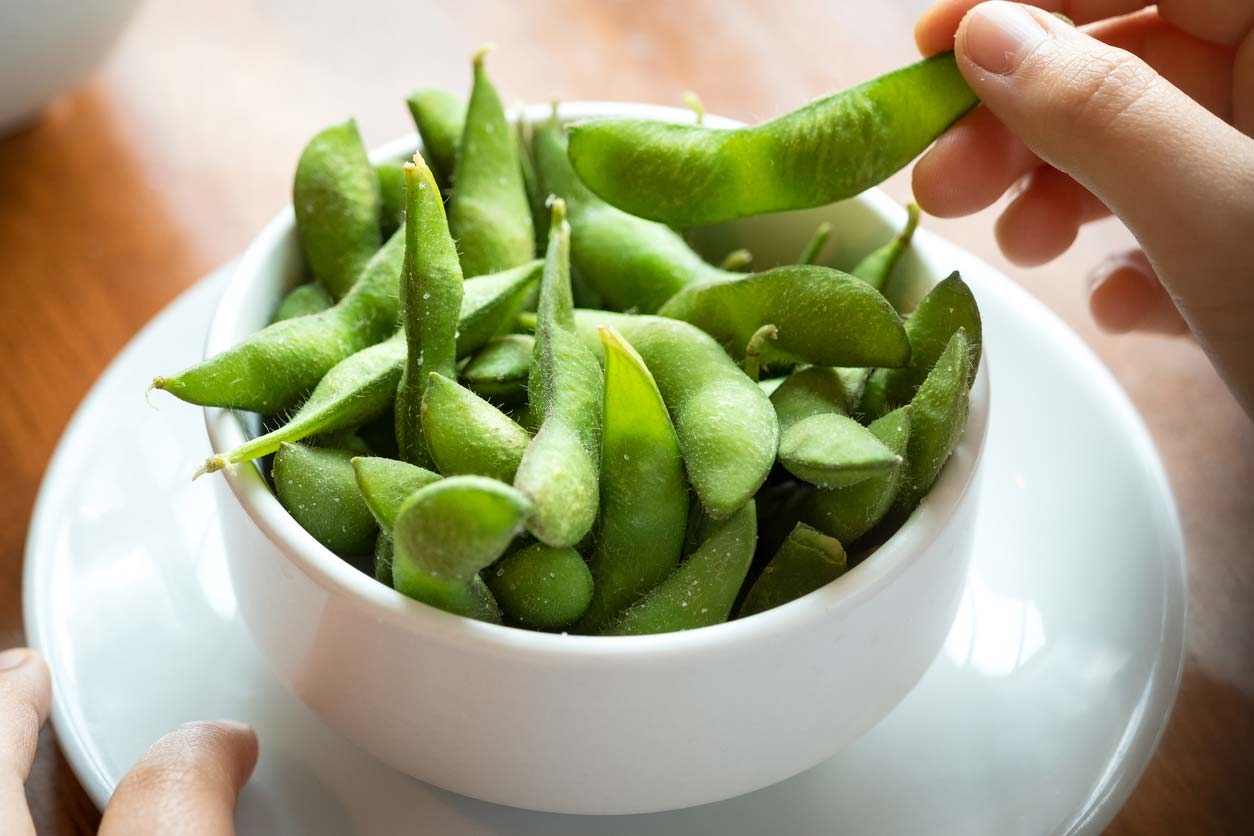
Fresh soybeans, called edamame in Japanese, are always green. They’re often sold in their pods: raw, frozen, or pre-cooked.
Where Is Soy Grown & How Is It Used?
Soy has spread out from its East Asian origins and is now grown abundantly in Brazil, Argentina, India, Paraguay, Canada, and the United States. From humble beginnings — a few seeds grown by a colonist in Georgia in 1765 — soy has colonized much of American cropland, to the point where the U.S. is now the world leader in soy production. In fact, in the U.S., approximately 119 million metric tons of soybeans are grown on 86 million acres of land each year. That’s more than 100 times the size of the entire state of Rhode Island, which at this point has probably come to accept its role as America’s official unit of measurement for things that dwarf it.
For comparison, wheat covers about 50 million acres, while corn tops the charts with 90 million acres. But unlike those crops, soy can actually restore soil fertility when grown responsibly.
George Washington Carver, the brilliant agricultural scientist whose research transformed Southern farming in the early 20th century, found that rotating soybeans into planting cycles actually increased cotton yields, thanks to the legume’s ability to transfer nitrogen from the air into the soil.
You can see that soy could be a kind of wonder crop, feeding people, replacing petroleum in manufacturing, and replenishing agricultural soil. Unfortunately, we’re using most of our soy crop in wasteful and environmentally harmful ways. More than 75% of the enormous amount of soy grown worldwide is fed to livestock. In the U.S., that number rises to more than 90%.
And the vast majority of the soy consumed by humans in the U.S., South America, and Europe is highly processed into soy oil and soy protein isolate, along with other ingredients that often end up in ultra-processed foods. By contrast, in Asian countries, whole soybeans and fermented soy products like edamame, tempeh, soy sauce, and natto are common fare, and have been for centuries.
Soy Nutrition

The soybean is significantly higher in fat, lower in carbohydrates, and slightly higher in protein than other legumes. It tends to be more digestible than other plant proteins and contains all nine essential amino acids. (In this case, “essential” simply refers to the ones that our bodies cannot metabolize, and so we must source them from food.)
The carbohydrates in soybeans are primarily oligosaccharides, which promote healthy gut microbiota like Bifidobacteria by acting as a prebiotic in your intestinal tract. The fat content of the soybean consists of 19% to 41% monounsaturated fats, 46% to 62% polyunsaturated fats (including a modest amount of omega-3 fatty acids), and 10% to 15% saturated fats. Soy is also packed with a wide array of vitamins and minerals.
One-half cup of roasted mature soybeans has the following nutritional composition:
- Calories: 400
- Protein: 33 g
- Total Fat: 22 g
- Fiber: 15 g
- Calcium: 120 mg
- Iron: 3.5 mg
- Magnesium: 125 mg
- Phosphorus: 310 mg
- Potassium: 1265 mg
- Folate: 180 µg
The soybean also contains a small amount of zinc, copper, selenium, manganese, vitamin C, and B vitamins.
6 Health Benefits of Soy
The soybean offers some substantial health benefits. Some of the most well-known, evidence-based benefits of soy include the following:
1. May extend life
A 2020 study from Japan found that regularly eating fermented soy foods like miso and natto might help lower the risk of dying. Researchers looked at health information from over 90,000 people (men and women aged 45 to 74) across 11 public health centers. They found that those who ate the most fermented soy foods had about a 10% lower chance of dying compared to those who ate the least. The study also showed a link between eating these foods and a lower risk of heart disease.
2. May help treat menopause-related hot flashes
Hot flashes are a common complaint among women during menopause. Some studies have found a lower incidence of hot flashes among menopausal women who consumed soy foods, compared to those who didn’t. For example, a 2019 study published in the European Journal of Clinical Nutrition found that women who consumed soy products (but not soy milk) experienced fewer reported hot flashes. Another 2019 study discussed how the soy isoflavone genistein could have therapeutic effects on menopause symptoms like hot flashes, as well as several menopause-related diseases, with few to no adverse side effects.
3. May help prevent metabolic syndrome
Metabolic syndrome is a group of health problems that often happen together, like high blood sugar, high blood pressure, extra belly fat, and unhealthy cholesterol or triglyceride levels. If you have metabolic syndrome, your chances of having a stroke, heart disease, or type 2 diabetes go up.
A study from 2019 looked at over 5,500 Korean men and women aged 40 and older who didn’t have metabolic syndrome at the start. It found that people who regularly ate soy foods were less likely to develop metabolic syndrome. The more often they ate soy, the stronger the protective effect.
4. May help prevent bone loss and increase bone mineral density
As we age, our bone mineral density typically declines, increasing the risk of degenerative skeletal diseases such as osteoporosis. Factors like weight-bearing exercise (e.g., walking, running, playing tennis) and getting enough calcium and vitamin D are known to have protective effects on bone strength.
It turns out that soy isoflavones may also help maintain bone density. A 2020 meta-analysis of 52 research trials found that soy isoflavones may help prevent osteoporosis in people of all body weights.
In addition, there’s a strong association between protein consumption and the reduction of osteoporosis risk. Soy is one of the highest-protein plant foods, and as such, it could be helpful for building and maintaining strong bones.
5. Contains compounds that may help fight chronic diseases
Soy has special plant compounds called glyceollins that help protect the body in several ways. These compounds are made by some legume plants as a natural defense when they’re stressed.
Although most research has been conducted on animals (our view on the use of animals in medical research is here), a 2017 review showed that eating soy rich in glyceollins might have many health benefits. These include improved insulin response, reduced inflammation, lower cholesterol, protection against harmful free radicals, and possibly slowed tumor growth. This replicated the results of a 2013 study that found that glyceollins can help reduce “bad” LDL cholesterol and high triglyceride levels. Plus, a 2018 study suggested that glyceollins might protect the brain by boosting antioxidant activity.
6. Is a healthy source of plant-based protein
While all plant foods contain all nine essential amino acids, most don’t provide them in the proportions needed for human nutrition in a single food. Soy is an exception. It provides them — including lysine, methionine, threonine, and tryptophan — in the ideal proportions for human nutrition, all in a single food. A cup of tempeh, made from fermented soybeans, contains 34 grams of protein, which is half of the daily requirement for many adults.
Soy Controversies
There are more than 2,000 peer-reviewed studies related to soy and health. Given that the bulk of these studies have documented substantial health benefits, and the fact that many of the world’s healthiest and longest-lived peoples are avid consumers of soy, you might think there’s consensus on soy benefits and facts.
Unfortunately, that’s not the case. There’s a lot of controversy. I was about to write “a surprising amount of controversy,” but when you consider who funds the anti-soy movement, it’s actually not surprising at all.
In the 1970s, the vegetarian movement turned to soy as a substitute for meat and dairy because it’s versatile, high in protein, cheap, and much more environmentally friendly than animal agriculture. And while the movement started small and the initial soy-based meat and dairy analogs were pretty mediocre in taste and texture, the meat and dairy industries saw it as a threat to their bottom line.
From funding anti-soy research to creating “astroturf” organizations (i.e., industry shills posing as grassroots movements) to purchasing large amounts of advertising and PR to extensive lobbying, the meat and dairy industries sought to scare the public away from soy consumption and protect their market share.
And they did a pretty good job of it, judging by the myths and misinformation that still swirl around this most excellent legume. In fact, if you aren’t confused about soy to some extent, you probably haven’t spent much time on the internet. So let’s address some of the most common accusations and beliefs surrounding soy and see what the science and facts actually tell us.
Soy Concern #1:
Soy Causes Cancer
One of the main anti-soy claims is that it can cause or promote cancer — especially hormone-related cancers such as breast, thyroid, prostate, and ovarian cancer. But the truth is, there’s much more evidence supporting whole soy foods for cancer prevention. And a good amount of evidence that the foods that soy replaces — meat and dairy — are cancer accelerators.
For many years, cancer patients — especially those with hormone-related cancers — were often encouraged to avoid soy either during or after treatment, as well as to prevent onset or recurrence. This was because soy was believed to mimic the effects of the hormone estrogen (the fancy scientific word for this is “estrogenic”), which is implicated in the development of breast cancer after menopause.
While there have been conflicting conclusions drawn from studies throughout the years, the confusion usually stems from compounds in soy called isoflavones. Some researchers have said that soy isoflavones possess both estrogenic and anti-estrogenic effects on breast cancer cells.
The Truth:
1. Soy’s estrogen-like compounds may actually reduce cancer risk
Soy contains isoflavones, compounds sometimes called phytoestrogens because their chemical structure is similar to human estrogen. This is where the concern comes from, but also where the story gets interesting.
Isoflavones don’t behave exactly like estrogen in the body. They bind to estrogen receptors differently, and in many cases, that difference matters enormously. Rather than amplifying estrogenic activity, isoflavones often do the opposite, occupying estrogen receptor sites in a way that actually blocks more potent forms of estrogen from binding. Think of it as sticking a nickel into a coin slot to prevent dimes from being inserted. The slot is occupied, but nothing harmful gets through.
2. The evidence on breast cancer points in a clear direction
A 2003 study in the Journal of the National Cancer Institute found that women with high soy intake had a 54% lower breast cancer risk than those with low intake. A 2010 study in JAMA linked soy consumption to reduced breast cancer recurrence and mortality.
The more pointed question is about women with estrogen-positive (ER+) breast tumors — tumors that are stimulated by estrogen. Could soy’s weak estrogen-like activity make things worse for them? Early animal studies raised this concern, but those mice had isoflavone blood levels far higher than any human eating normal amounts of soy would experience, and the effect hasn’t been seen in humans. Population studies show no increased risk for breast cancer survivors who eat soy.
In fact, the evidence points the other way. The American Institute for Cancer Research notes that soy consumption is associated with greater survival and decreased recurrence, including in women with ER+ cancer. A major 2024 meta-analysis found that soy isoflavones were linked to a 26% reduction in breast cancer recurrence risk, with the strongest associations in postmenopausal women and women with ER+ diagnoses specifically.
3. Soy also contains natural compounds that fight cancer directly
Soybeans contain protease inhibitors, which are compounds that interfere with enzymes cancer cells need to grow and spread. If you’ve heard of protease inhibitors before, it’s probably from HIV or hepatitis C treatment, where pharmaceutical versions of these compounds are used as drugs. In soy, they occur naturally, and research has linked them to reduced incidence of breast, colon, and prostate cancer.
(A note on pronunciation, since this comes up: It’s “pro-tee-ace,” not “pro-teeze,” which would imply someone was being paid to go “Nyah nyah nyah nyah nyah!”)
Soy Concern #2:
Soy Causes Breast Growth in Men
This belief has received tremendous attention. In fact, it’s probably one of the most joked about reasons why some men choose not to drink soy milk — to avoid “man boobs.” It’s part of the marketing narrative of the meat industry, which paints meat as “real food for real men” and views vegetarians and vegans as weak and feminized.
Arnold Schwarzenegger’s iconic line from the 2013 movie Escape Plan, “You hit like a vegetarian,” typifies this mockery. (Schwarzenegger has changed his tune; the former animal-protein-guzzling bodybuilding champion, movie star, and politician is one of the stars of the 2018 film The Game Changers, which documents the benefits of a plant-based diet on athletic performance, strength, and endurance.)
What’s the evidence for this fear that soy will turn men into women, either physically or constitutionally? How convincing is it?
There is a case report from 2008 of a Japanese man who consumed soy foods and experienced growth in his breast tissue, as well as erectile dysfunction and decreased libido. When questioned, he said he drank 3 quarts of soy milk per day, about 9 times the amount normally consumed by Japanese men.
And a 2011 case report also chronicles a decrease in sexual desire and functioning in a 19-year-old male with type 1 diabetes whose diet consisted almost entirely of “large quantities of soy-based products.” The moral of these two stories, each of which features a single individual, is that unbalanced diets of any kind can be harmful.
In 2009, Men’s Health published a stridently anti-soy article based on the 2008 case report mentioned above. The article said that eating soy can cause male feminization. While the publication eventually changed its stance in subsequent articles, it took years, and the original article is still widely circulated, perpetuating the misconception. As Paul Simon sang, “A man hears what he wants to hear and disregards the rest.”
The Truth:
1. Only over-consumption may pose an issue
Most people aren’t going to eat anywhere near the amount of soy consumed in these two case reports. In fact, you would probably develop a nutritional deficiency if you did. As with anything you eat, enjoy soy as part of a balanced diet, and you’ll probably be fine.
2. Feminization from soy is rare
The likelihood of soy causing a “feminization” effect in male breast tissue, under anything like normal consumption patterns, is rare to non-existent. Numerous studies have shown that there’s no rise in estrogen levels among men who consume soy foods, nor is there an effect on testosterone levels. A 2010 meta-analysis of 15 placebo-controlled studies concluded that “neither soy foods nor isoflavone supplements alter the measures of bioavailable testosterone concentrations in men.”
3. Dairy, on the other hand
If anything, dairy products are more likely to contain hormones that could cause breast growth in men. Dairy products are known to contain exogenous estrogen, which has been found to reduce the secretion of testosterone in men. It makes sense, if you think about it, that the milk from a lactating mammal would have an impact on human hormone balance. Especially when you consider that many dairy cows are given hormones to increase their milk production.
Soy Concern #3:
Soy Inhibits Thyroid Function
Some people worry that eating soy can harm the thyroid. The concerns center on a few specific claims: that soy may contribute to hypothyroidism (an underactive thyroid, which can cause weight gain, fatigue, and sluggish metabolism), that it may interfere with thyroid hormone production, and that babies fed soy formula may develop goiters — an abnormal enlargement of the thyroid gland. A 2002 review of the literature raised these concerns, suggesting that soy’s estrogen-like compounds and its potential to promote goiter formation were worth taking seriously.
The Truth:
1. More iodine, not less soy
One important thing about that 2002 paper: Almost all the evidence cited was from studies on rats, not humans. And even in the rats, researchers actually failed to find a correlation between hypothyroidism and genistein (an isoflavone and phytoestrogen). This puzzled the authors of the paper, who surmised that some as-yet-unidentified “additional risk factors” must come into play for soy to damage thyroid function.
What could one of those risk factors be? It’s more likely that an iodine deficiency caused the problem, not the soy.
It is true that if you eat too much soy and your diet is deficient in iodine, your thyroid gland may become swollen and underactive, you may develop symptoms of hypothyroidism (such as lethargy and depression), and your risk of thyroid cancer could increase. But the answer isn’t to avoid soy. It’s to make sure you consume enough iodine. Studies tell us that soy does not cause thyroid problems in people who consume adequate amounts of iodine.
Meeting iodine requirements is pretty easy and can be achieved with ¼ teaspoon of iodized salt per day, increasing your intake of sea vegetables, or with a reliable iodine supplement.
In the 1950s and 1960s, some infants were fed soy formulas that caused enlargement of their thyroid glands. But again, these formulas did not contain iodine. So the real cause was most likely the lack of iodine, and not the soy itself. Soy formulas have been fortified with iodine, which solved this problem.
2. Soy formulas with iodine are safe for babies
A 2018 review searched for and examined global studies from January 1980 to June 2017 on soy infant formula and phytoestrogens, to assess what is currently known about how phytoestrogens in soy formula may impact child development. The authors found that soy formulas don’t cause any problems with things like sexual growth, brain development, immune health, or thyroid function.
Of course, any discussion of infant formulas needs to come with a very clear disclaimer: For almost every baby, the milk from its own mother is best if available. Infant formulas of any kind, whether soy- or dairy-based, should be seen as an option only when milk from human mothers is not available.
3. Soy has little to no effect on thyroid hormones
A review and meta-analysis of 18 studies found that soy supplementation has no effect on thyroid hormone levels and may modestly increase TSH (thyroid-stimulating hormone). This may affect people who already have hypothyroidism, but it seems unlikely that it’s clinically significant enough to show a clear correlation. More research is needed, but overall, the link between soy consumption and thyroid problems seems weak.
Soy Concern #4:
Soy and Heart Health
The U.S. Food and Drug Administration (FDA) almost never endorses any specific food for its health efficacy. But in 1999, citing an overwhelming body of evidence that soy consumption could help to reduce heart disease, the FDA issued a ruling that allowed products containing at least 6.25 grams of soy protein to state that:
A total of 25 grams of soy protein a day, as part of a diet low in saturated fat and cholesterol, may reduce the risk of heart disease. A serving of [name of food] supplies __ grams of soy protein.
You may have seen this, or variations of it, on product labels.
So why the controversy? In a rare, potential about-face, the FDA released a statement in 2017 that it was considering revoking its endorsement of soy for heart health. The main argument against the pro-heart health statement was that “some studies, published after the FDA authorized the health claim, show inconsistent findings concerning the ability of soy protein to lower heart-damaging low-density lipoprotein (LDL) cholesterol.”
At the time, it was widely anticipated that the proposed revocation would go into effect within a matter of months. But as of this writing, nine years later, it has not. So what’s the deal?
The Truth:
1. Lobbyists have an influence
We don’t always know exactly which factors lead the FDA to make its decisions. But one thing’s clear: As a government body, it is not immune from the influence of lobbyists or political forces. In this case, the meat and dairy industry stands to lose out if soy is more widely consumed because soy products are often consumed in place of animal products. And the soy farming industry, ironically, could lose too — since most of our soy crop is fed to livestock. But despite its announced intention, the FDA still hasn’t followed through.
2. Science does say soy is good for your heart
Part of the reason could be that new studies continue to show soy’s benefits for heart health. For instance, a 2019 cumulative meta-analysis published in the Journal of the American Heart Association concluded that soy is heart-healthy and lowers LDL “bad” cholesterol, which can increase the risk of heart disease. A 2020 study with over 200,000 participants found that eating at least 1 serving of tofu per week was linked to an 18% lower risk of heart disease compared with those who rarely ate tofu.
Soy doesn’t just help to bring down LDL (‘bad”) cholesterol levels. A 2011 study concluded that when people ate 30 grams of soy foods per day (equivalent to 1 ounce of tofu), they raised their HDL “good” cholesterol levels by 1% to 3% and lowered triglycerides by up to 5%.
Clinical research has also shown that soy foods can help lower high blood pressure. In two meta-analyses from 2010 and 2012, soy isoflavones were shown to improve impaired endothelial function among postmenopausal women, lowering their blood pressure and their risk for heart disease.
There’s still no telling what the politically influenced FDA might ultimately do. But the overwhelming body of evidence seems clear: For most people, soy can help to prevent cardiovascular disease and support heart health.
The Shadow Side of Soy
While there are many good things to say about soy and most popular fears surrounding soy consumption are not backed by research, there are a few meaningful concerns that prospective soy-eaters should consider.
Soy Allergy
Soy is one of the top eight allergens that must be clearly identified on food labels. In such an allergy, the proteins in soybeans bind to IgE antibodies made by the person’s immune system, causing the immune system to regard soy as a foreign invader requiring destruction. This triggers an excessive immune response, resulting in an allergic reaction. Obviously, if you have a genuine soy allergy, you need to avoid soy.
Processed Soy Foods
As we’ve seen, most of the soy consumed directly by people in Western countries is turned into soybean oil, soy protein isolates, and other refined products. These highly processed foods aren’t as good for you as eating whole soy foods.
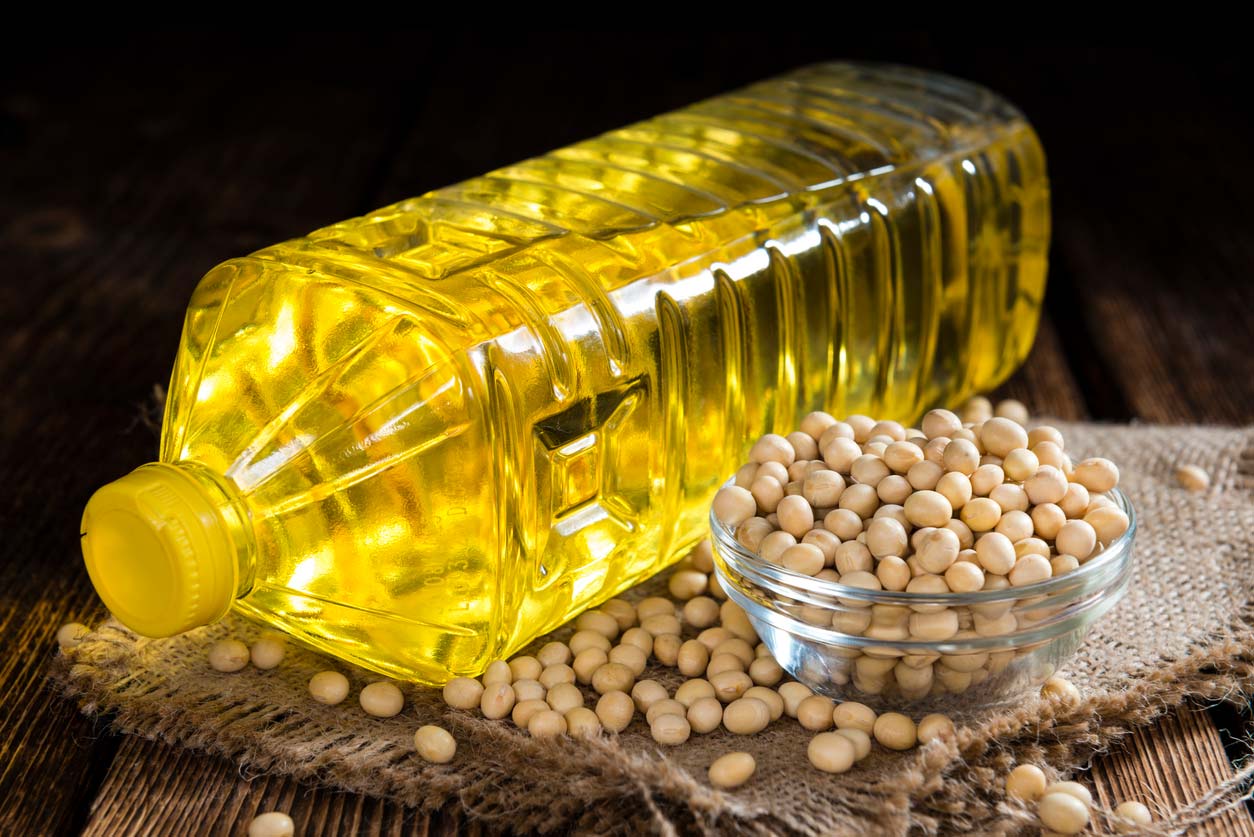
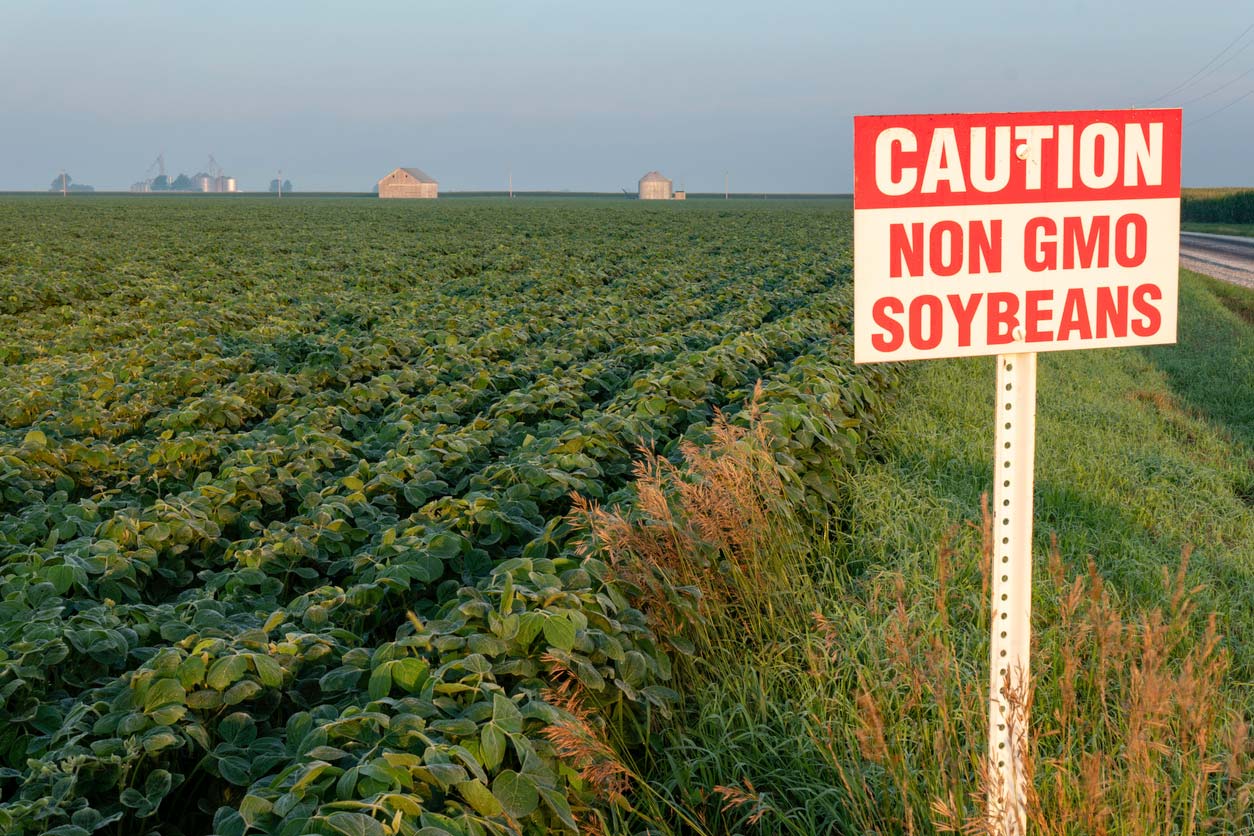
Soy oil contains none of the beneficial protein, fiber, or isoflavones. Processed soy foods, such as soy hot dogs, ice cream, or snack bars, have much lower amounts of isoflavones than whole soy foods. They also tend to contain chemical additives, fewer overall nutrients, and have higher concentrations of trypsin inhibitor, which makes them harder to digest than whole soy foods. Furthermore, unless the soy-containing foods are certified organic or certified non-GMO, they contain genetically engineered soy.
Genetically Engineered Soy
In 2024, 96% of the soybeans in the U.S. were genetically engineered. Most genetically engineered soy has been directly sprayed with glyphosate and other herbicides, some of which are probably carcinogenic. Glyphosate has made news recently as the subject of a staggering number of cancer lawsuits — Bayer/Monsanto has faced over 192,000 total claims since litigation began, and despite settling approximately 100,000 of them for roughly $11 billion, the company still faces around 65,000 active lawsuits. Choose organic or non-GMO certified soy to steer clear.
Deforestation
Voracious global consumption of soy is a leading driver of the destruction of tropical rainforests. Monocrops often drive small-scale family farmers out of business. And soy is one of the biggest monocrops on the planet. But where is all this soy going? The vast majority isn’t turning into edamame, tofu, tempeh, or miso. It’s not even turning into soy burgers or soy milk.
Approximately three-quarters of the world’s soy harvest is used as livestock feed. This isn’t just inefficient. It’s a protein factory in reverse. Why? Because it takes an estimated 8 to 14 pounds of feed (such as corn or soy) to produce 1 pound of feedlot beef (for all the math and more insight on the health and environmental impact of beef, see our article here).
For pork, it takes 4 to 9 pounds of feed to produce 1 pound of edible meat, and for chicken, 2 to 5 pounds of feed. No wonder approximately three-quarters of the world’s soy crop and more than half of its grain is being used as livestock feed.
What’s the moral of this story? As counterintuitive as it may sound, if you want to save farmland and rainforests from being turned into soy plantations, you might actually be most effective if you eat more soy and less meat. It kind of blows my mind that there’s probably more soy in a pound of feedlot beef than there is in a pound of tofu.
How To Eat Soy
The best way to enjoy soy is in whole or minimally processed form, organically grown whenever possible. Here’s a quick guide to the main forms you should know.
Edamame are simply immature soybeans, harvested before they harden. They’re one of the most straightforward ways to eat soy. You can enjoy them steamed or boiled in the pod, lightly salted, and eaten as a snack or appetizer. You can also find shelled edamame to toss into salads, grain bowls, or stir-fries.
Tempeh is made by fermenting whole soybeans into a dense, firm cake. It’s the most protein-rich form of soy, with around 34 grams per cup, and fermentation makes it easier to digest while adding beneficial probiotics. Its nutty, slightly earthy flavor can be a bit bitter on its own, but it takes well to marinades and works beautifully as a meat substitute in tacos, sandwiches, and grain bowls.
Natto is a traditional Japanese food made from fermented soybeans. It has a strong flavor and a distinctively sticky, stringy texture that takes some getting used to. But it’s arguably the most nutritionally dense form of soy, and one of the richest dietary sources of vitamin K2. Worth trying if you’re adventurous.
Miso is a salty fermented soybean paste used as a seasoning and condiment. A small amount adds deep umami flavor to soups, dressings, marinades, and sauces. Because it’s high in sodium, it’s best used in small quantities as a flavoring rather than a main ingredient. Miso contributes probiotics and nutrients without adding significant calories.
Tofu is made by coagulating soy milk and pressing the curds, not unlike how dairy cheese is made. It comes in textures ranging from silken to extra-firm, making it one of the most versatile forms of soy. Silken tofu works well in smoothies, sauces, and desserts; firm and extra-firm tofu can be baked, pan-fried, scrambled, or grilled. It absorbs whatever flavors you cook it with, making it a versatile canvas in almost any cuisine.
Soy milk is a high-protein plant milk. To steer clear of added sugars, look for unsweetened varieties with minimal added ingredients. Some brands deliver as much as 12 grams of protein per cup. Fortified brands may have a nutrient profile similar to cow milk, without the saturated fat.
Soy curls are made from whole soybeans and have a meaty, chewy texture when rehydrated, making them a useful whole food option for people looking for a less-processed meat substitute than many packaged soy products offer.
What’s worth avoiding, or at least minimizing, are highly processed soy products like soy protein isolate, soy oil, and most packaged meat analogs that use soy as an ingredient alongside long lists of additives. These bear little resemblance to the whole soy foods associated with health benefits in the research.
Savory Soy Recipes
Soy is wonderfully versatile. It can be fermented into miso paste and used as a condiment for flavoring many dishes. You can enjoy immature edamame soybeans, boiled or steamed as an appetizer, or sautéed in a stir-fry. Nutritional powerhouse tempeh can sub in for meat, as it’s packed with protein (and fiber, a vital nutrient not found in meat!). Experiment and let us know your favorite way to incorporate organic soy foods into a healthy diet.
1. Ginger Miso Sprout and Carrot Salad

When the umami of miso is combined with the nutty flavor of tahini and a touch of rice vinegar and lime, it makes a perfect dressing for this sprout-and-carrot salad. Make extra dressing so that you can use it on grain bowls and other salads throughout the week.
2. Sauteed Garlicky Mung Bean Sprouts with Edamame Beans

While edamame might be a favorite choice as a plant-based appetizer at restaurants, it can also be used in a wide variety of dishes. From stir-fries to bean burgers to this garlicky sautéed dish, where it comes together with bean sprouts, the delightful edamame never disappoints!
3. Tempeh Bacon

This tempeh bacon has a sweet smokiness and can be used in many ways. Make a tempeh “BLT” (or “TBLT”) sandwich, add it to grain bowls, crumble it into salads, enjoy it alongside a breakfast scramble, or eat it all by itself as a snack!
The Soy Takeaway
Soy is a highly nutritious staple enjoyed around the world. For most people, it can be beneficial in preventing chronic illnesses like cancer, heart disease, and type 2 diabetes, and in promoting life expectancy. It’s also an abundant source of plant-based protein. But most of the world’s soy crop is genetically engineered and then fed to livestock, which creates negative environmental impacts. And most soy eaten by humans is highly processed, which significantly erodes its nutritional value. Whole soy foods that are grown organically and consumed by humans are another matter entirely. They can be sustainable, nourishing, and supported by decades of research.
If you have specific health concerns, including thyroid conditions, hormone-sensitive cancers, or soy allergies, it’s worth a conversation with your healthcare provider about how soy fits into your particular situation. For most people, though, the evidence points clearly in one direction: Whole, organic soy foods are a genuinely valuable part of a healthy diet.
Tell us in the comments:
- Do you typically enjoy soy foods? Why or why not?
- What’s your favorite way to incorporate whole soy foods like tofu, tempeh, or edamame into your diet?
- Are you feeling inspired to try any new soy foods or dishes?
Feature image: iStock.com/naito8

