
In the U.S., dates hardly register in most people’s “fruit consciousness,” at least compared to dozens of other fruits like apples, oranges, bananas, grapes, peaches, melons, and so on.
But in other parts of the world, particularly the Middle East, dates are not only popular snacks; they’re also celebrated and revered. Evidence suggests that people in the Middle East and North Africa have been eating dates for over 6,000 years.
They’re such a central part of some cultures that dates are offered at important social events and are sometimes referred to as “the fruit of heaven.” The Prophet Muhammad urged his followers to eat seven dates a day to protect against poison and witchcraft. And across the world’s Muslim population, worshippers consume the fruits to break their fast each evening during the holy month of Ramadan. Dates are also known as “the fruit of kings,” as they were originally eaten by royalty and thought to fend off fatigue.
Today, many plant-based eaters think of dates as a whole food sweetener. Their sticky consistency and high sugar content make them an effective sugar substitute. But when something tastes that good, is there a catch? Are dates actually good for us and the environment? And if so, what are some delicious and healthy ways to add them to your diet?
What Are Dates?
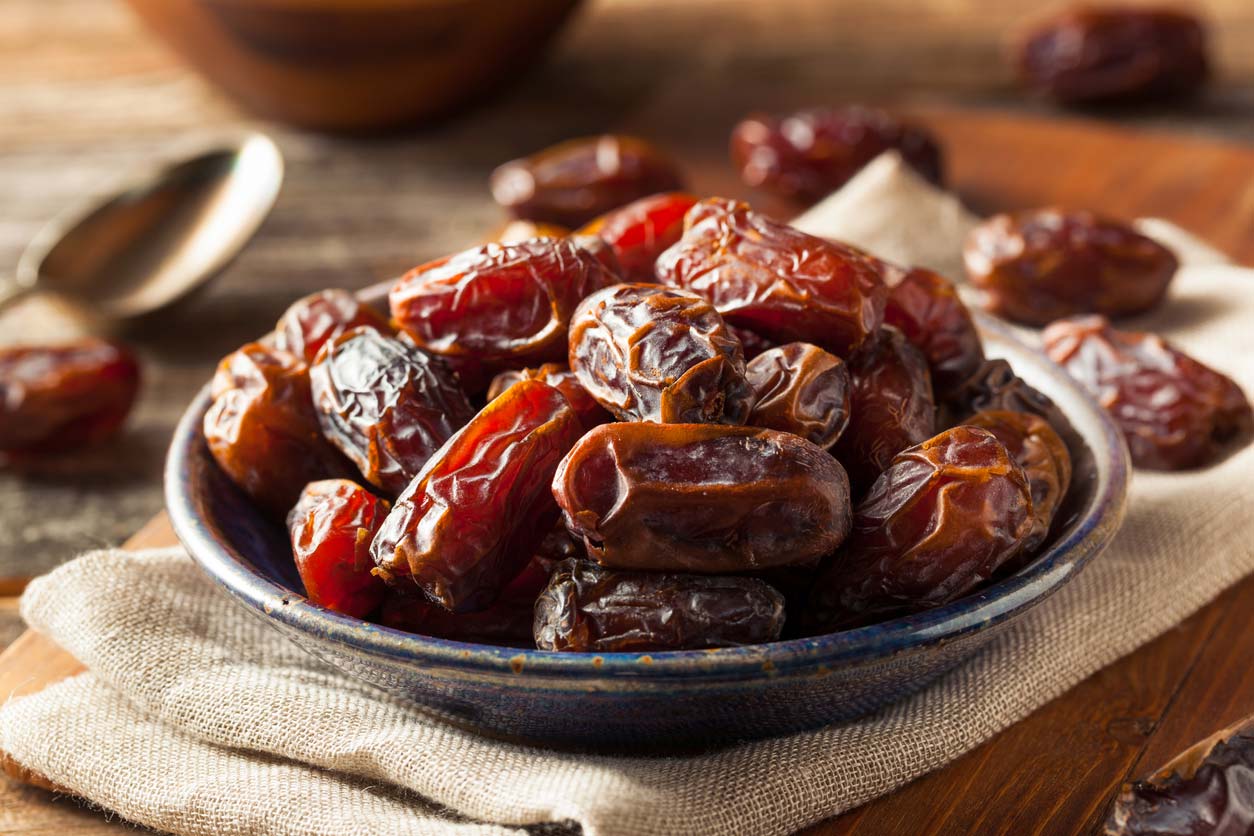
Dates are the fruit of the date palm or Phoenix dactylifera, which definitely sounds like a magical dinosaur from a fantasy novel. The scientific name refers to the plant’s ability to spring to life from the desert’s searing heat, like its mythological namesake bird, the phoenix, which rises from the ashes to live again.
The date is a one-seeded fruit (also known as a drupe), like a peach or nectarine. Typically oblong, dates can vary significantly in shape, size, color, quality, and consistency of flesh. Dates that are ready to eat are generally brownish in color, and their taste depends on their ripeness.
Date palms are native to the Persian Gulf area of the Middle East, but they are also grown in many other warm or tropical climates. Egypt is the world’s largest producer of dates, followed by Iran, Algeria, Saudi Arabia, and the United Arab Emirates. The U.S. produces a small amount (roughly 4% of Egypt’s crop), with most of the U.S. harvest coming from California.
Types of Dates

While it’s not obvious from the options in most Western grocery stores, there are more than 2,000 varieties of fresh dates. The two most widely grown in the United States are the Deglet Noor and the Medjool.
Other types of dates enjoyed around the world include the following:
- Safawi/Kalmi are darker-colored dates with a potent taste. They’re more resistant to damage than other varieties.
- Ajwa are small, black dates with a sweet, fruity taste. They’re considered luxury dates and among the most expensive.
- Sukkary dates are often described as “sugary,” with a blonde color and a fresh, sweet pulp.
- Mabroom dates have a subtler, less sweet flavor than other varieties. They also have a slender, firmer shape.
- Khudri dates tend to have a uniform dark brown color and fewer wrinkles than other varieties.
- Sagai are very soft dates with a unique combination of crunchiness and softness.
- Barhi dates are soft, creamy, and known to have a flavor similar to butterscotch candy.
- Thoori dates are also called “bread dates” and are considered one of the oldest foods in history, if not the first food ever cultivated by humans. They have a peanut-like flavor and a firm, pastry-like texture.
Looking to taste some of these varieties for yourself? Most are available with online searches. And Oasis Date Gardens offers a selection of 16 different organic varieties grown in the U.S.
Dates Nutrition
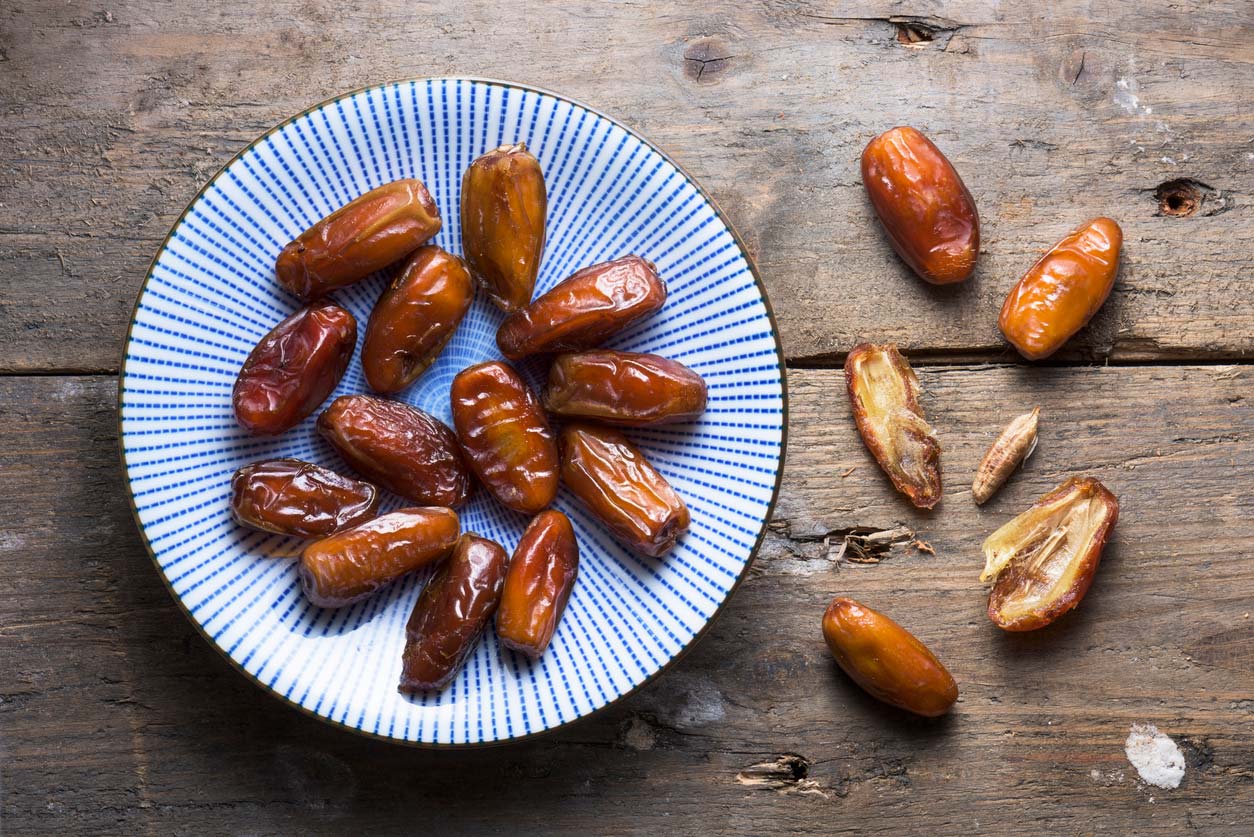
Are dates healthy? Generally, yes! And far more so than most people think.
Dates of all varieties boast a compelling nutritional profile. For starters, dates are a good source of several micronutrients, including vitamin A, iron, potassium, calcium, manganese, copper, and magnesium. They’re also high in dietary fiber and carbohydrates, with a single date containing nearly two grams and 18 grams, respectively. They’re also very energy-dense, with Medjool dates providing around 70 calories each.
Dates are also rich in antioxidants. They contain many classes of bioactive plant compounds, including carotenoids, polyphenols, isoflavones, lignans, flavonoids, tannins, and sterols.
Given how incredibly sweet they are (even to folks who consume a lot of refined sugar), you might expect eating a date to send your blood sugar through the roof. But surprise: Dates have a low glycemic load.
A study testing 5 date varieties found glycemic index values ranging from roughly 44 to 55 (solidly in the low GI range) in both healthy people and people with type 2 diabetes. Blood sugar response was similar between the two groups, suggesting that dates, in moderate amounts as part of a balanced diet, may be appropriate for people managing diabetes.
Benefits of Dates
In addition to being naturally sweet and nutritious, dates offer a range of benefits for your health and the environment. If you’re on the fence about including dates in your diet, consider what the following research says about their positive impacts.
Health Benefits of Dates
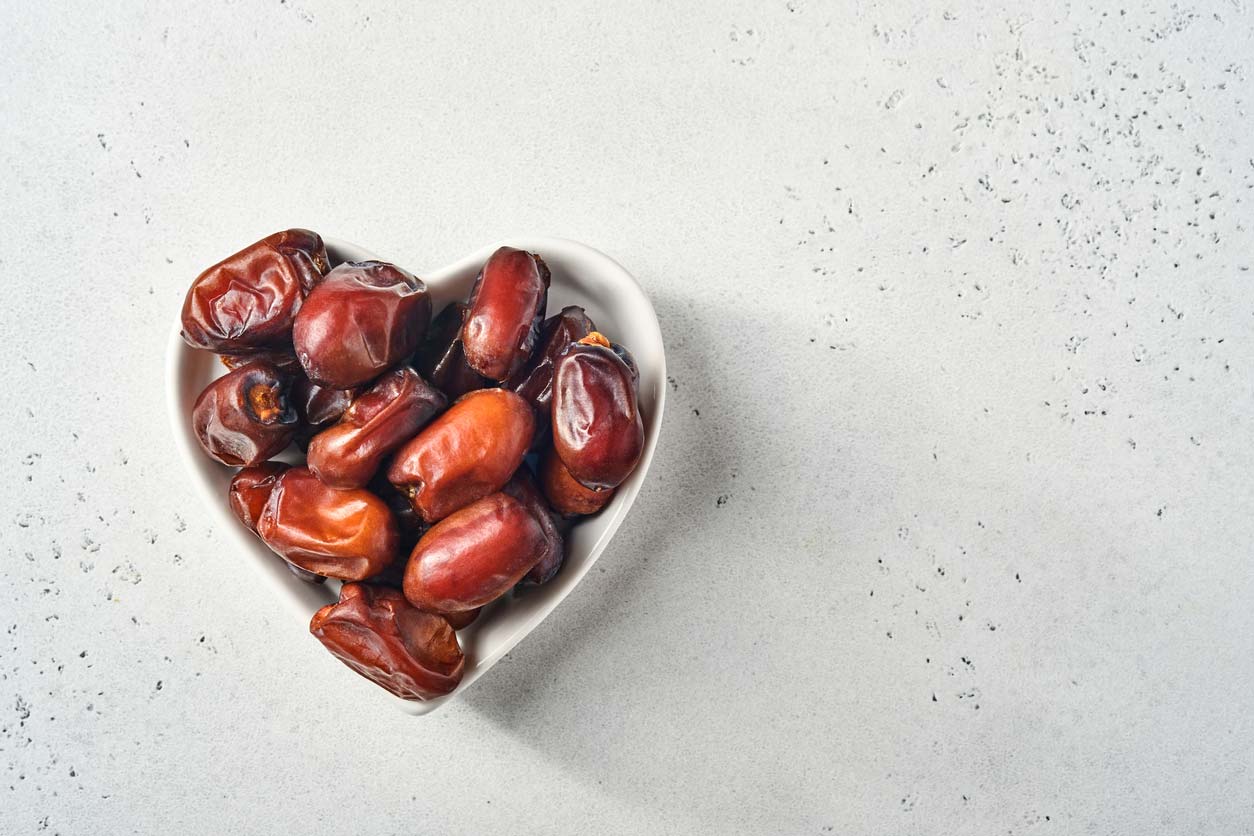
1. Dates may support a healthy pregnancy and breastfeeding
I’m not sure how they came up with the idea, but apparently, some researchers woke up one day and thought, “Can dates speed up labor in women expecting their first child?” Actually, the question makes sense when you consider that giving birth is pretty much the most grueling endurance sport there is. Triathletes consume energy gels, bars, and drinks during their races, but so far, nobody has marketed “Birth Bars” to women in labor.
In a 2017 study, Iranian researchers found that 91 women who consumed dates late in their pregnancy, beginning in the 37th week, experienced shorter labor and a reduced need for oxytocin to accelerate labor. The benefits were seen after eating the equivalent of eight to nine dates daily.
A similar study found that women who consumed dates daily for four weeks toward the end of their pregnancy were much more likely to experience spontaneous labor. (“Spontaneous” here means labor wasn’t induced by drugs like oxytocin and prostaglandin or via c-section; not that the baby came out prior to full-term or emerged doing an improv set.) The date-eating mothers also had a significantly higher mean cervical dilatation (3.5 cm vs. 2 cm) upon admission compared to women who did not eat dates. And check out the difference in length of the first stage of delivery between the date eaters and the controls: 8.5 vs. 15.1 hours. That’s almost the entire first season of Bridgerton!
Dates have also been shown to help increase breast milk quantity in breastfeeding mothers. A randomized controlled trial published in Breastfeeding Medicine found that consuming 10 dates per day for four weeks led to a significant increase in breast milk volume.
2. Dates may support women’s health across the lifespan
The benefits of dates for women extend well beyond pregnancy. A 2025 systematic review of 21 studies found that dates support women’s health across multiple life stages, from hormonal balance and improved ovulation in women with PCOS, to improvements in sexual function and performance in postmenopausal women. Few foods have been studied across such a wide range of women’s health outcomes, which makes dates worth knowing about at every stage of life.
3. Dates may protect your heart health
A 2009 comparative study examined the effects of eating Medjool and Hawaiian dates on heart health biomarkers. The authors found that eating 100 grams of dates (around 12 dates) per day for 4 weeks, especially Hawaiian types, improved serum triglycerides and oxidative stress. Despite their high natural sugar content, dates didn’t negatively affect blood sugar levels or blood fats, leading the authors to conclude they are anti-atherogenic, or helpful in preventing plaque buildup in arteries, which can lead to heart disease.
Animal and in vitro research suggests dates may help reduce high blood pressure and high cholesterol, largely thanks to their potassium content and cholesterol-lowering effects seen in rodent and rabbit studies. Dates are also rich in antioxidant compounds like phenolics and flavonoids, which may help protect against oxidative stress and inflammation that can harm the heart and overall health — though human clinical trials confirming these cardiovascular effects are still limited.
More recent research adds some nuance to the cholesterol picture. A 2025 meta-analysis of randomized controlled trials found that date consumption significantly reduced total cholesterol in patients with type 2 diabetes, which is good news for heart health. The effects on LDL (“bad”) cholesterol, HDL (“good”) cholesterol, and triglycerides were not significant, suggesting that while dates show promise, they’re not a magic bullet for full lipid panel improvement. As with most whole foods, they work best as part of an overall heart-healthy diet.
4. Dates may support healthy blood sugar management
A 2020 review published in the journal Foods discusses how dates contain antioxidant compounds that support healthy insulin sensitivity and blood glucose control, which can be beneficial for people with diabetes. Other research suggests that, despite their sweetness, dates contain compounds that can be helpful in the nutritional management of diabetes and other insulin-resistant conditions.
5. Dates may protect against toxins and carcinogens
A lab study has shown that date flesh extract can help prevent chemically induced cellular mutations. Other studies have found that the antioxidants in dates can fight free radicals that cause oxidative damage, which can lead to cancer. Furthermore, animal studies have shown that dates may even have anti-tumor characteristics, though the mechanism isn’t entirely understood.
6. Dates are anti-inflammatory and antimicrobial
Dates appear to have antimicrobial and anti-inflammatory effects, helping prevent disease. Some studies have shown that date fruits can reduce swelling and inflammation biomarkers in the body. Additionally, date extract, particularly from the leaves and pits, has been shown to help fight off a number of viruses, fungi, and bacterial strains in lab studies.
Environmental Benefits of Dates
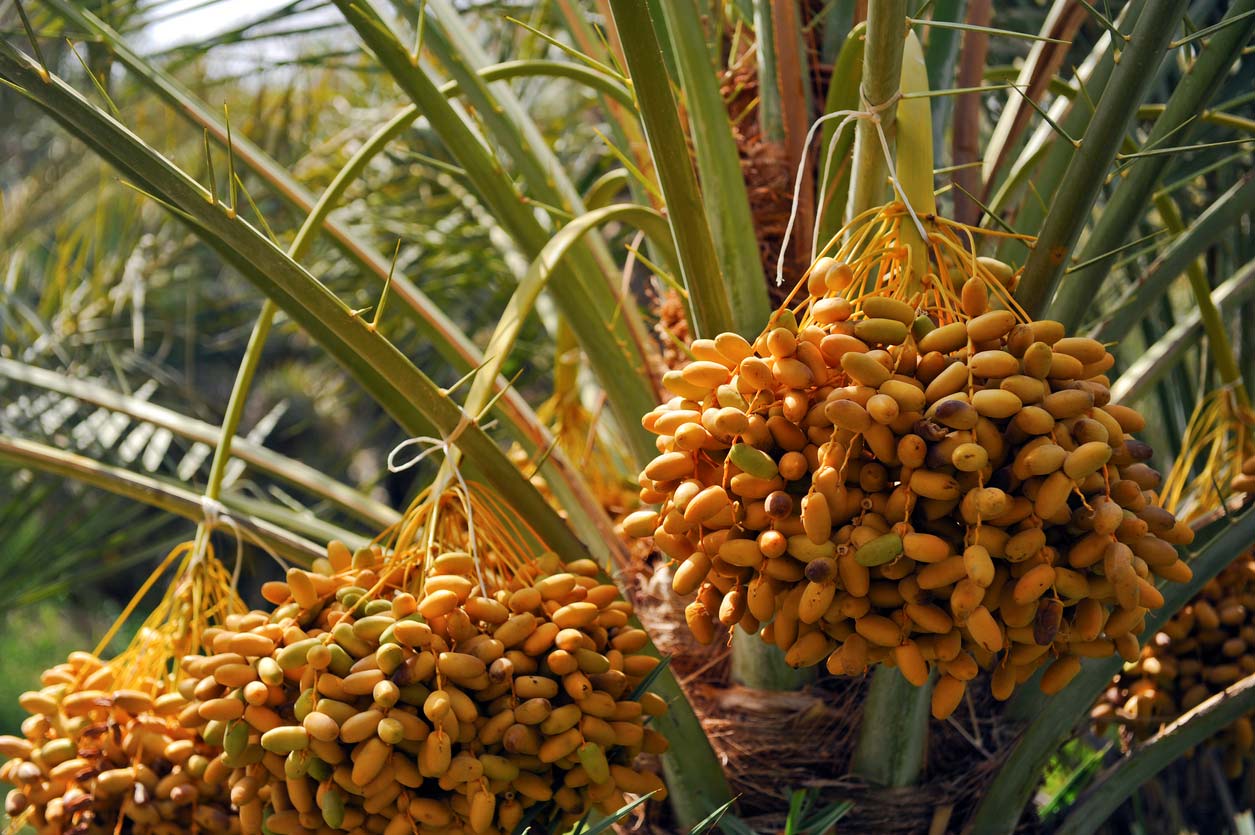
1. Dates can be zero-waste fruits
Date palms produce much more than just their sweet fruits. The main components of date palm biomass are the structural and fibrous compounds cellulose, hemicellulose, and lignin, which can be utilized in other ways. For instance, date palm biomass can be used to produce biofertilizers, biofuels, and fuel pellets that can replace coal in power plants and other industries. Date palm fibers and other biomass may even be used to make paper, transportation fuels, and heating energy.
Of course, just because it can be done doesn’t always mean it is. For instance, Oman practices a zero-waste growing system. But Saudi Arabia does not, opting instead to burn date palms, which causes air pollution.
2. Date palm fibers can remove toxic metals from the environment
Some research shows that date palm fibers can absorb heavy metals and toxic metals, such as lead, from the environment. Some scientists recommend using date palm waste for this purpose, as it’s a practical and low-cost solution to the accumulation of metals in the environment from industries such as batteries, petrochemicals, and newspapers.
3. Date palms are naturally hardy and drought-resistant
Date palms are well-suited to arid climates with hot summers. As climate change heats the world, this could make them increasingly popular in areas like the Middle East and the western U.S., where water can be scarce.
Downsides To Eating Dates
Dates are packed with flavor and nutrition, but that doesn’t mean they come without potential considerations.
Some people may experience gastrointestinal issues, like bloating, as a result of the fruit’s high sugar and fiber content. If you’re not used to eating dates, it’s probably a good idea to start with just one to make sure your body responds well to them, and then work up to more.
Because dates are calorically dense and have a high sugar content, they may also contribute to unwanted weight gain if you treat them as a dietary staple. Just 1 date can add around 70 calories to your diet, so keep this in mind if you’re monitoring overall energy intake.
Some commercial dried dates may contain sulfites — compounds the FDA banned from use on fresh fruits and vegetables in 1986 after identifying numerous cases of sulfite-induced asthma linked to their use, and which can still trigger allergic-type reactions or asthmatic episodes in susceptible people when present in processed foods like dried fruit. Keep this in mind, especially if you’ve ever experienced a reaction to other dried fruits. Allergy symptoms may include bloating, diarrhea, stomach pain, and even a skin rash in some people. Fortunately, sulfite-free dates are widely available.
Lastly, the high sugar content of dates makes them a potential factor in promoting tooth decay. This is less likely to be a risk if you practice regular oral hygiene.
Choosing and Storing Dates
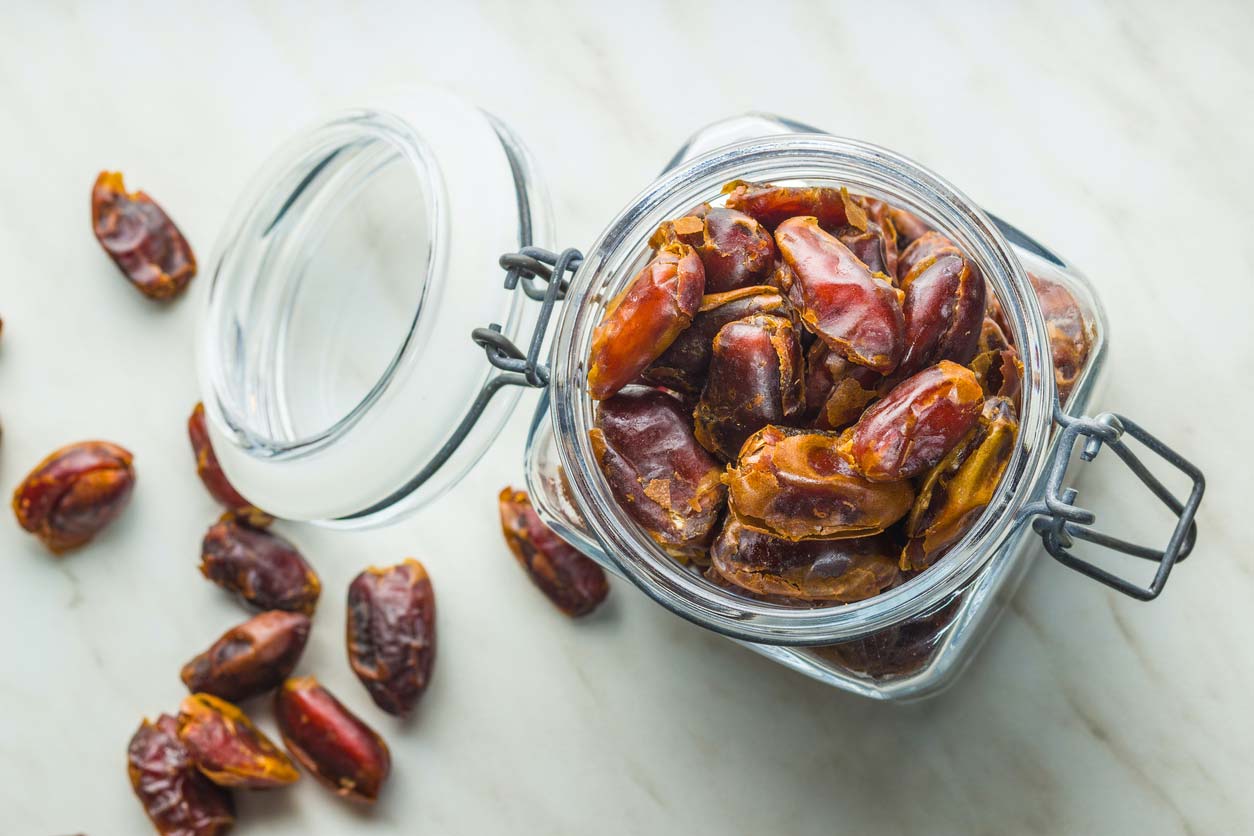
To have the best experience with dates, it’s helpful to know how to choose and store them correctly.
Despite their lack of popularity in the U.S., dates are available online and at many grocery stores, health food stores, and even farmers markets. Medjool dates are often eaten fresh, as a juicy fruit with a delicate flavor. But outside of California and the Middle East, fresh dates can be tricky to find.
Dried dates are often sold in a plastic container at the store. When looking through your options, it’s okay if some have wrinkles; just avoid those that are so dry they are hard to the touch. Also, look for signs of sugar crystallization, which indicates moisture loss from aging. This will appear as white spots on the skin.
If you’re in the U.S. and you’re looking for an online source of dates, you might consider Date People, a small farm that practices agroecology and sustainable growing techniques.
When you get your dates home, store them in an airtight container in the refrigerator for the longest shelf-life. This way, they’ll keep for several weeks before their sugars start to crystallize. In the freezer, you can revisit the same batch of dates for up to a year.
How long do date seeds remain viable? In 2020, archeologists discovered 33 date seeds in the Judean Desert that were at least 2,000 years old. Scientists sprouted the seeds, six of which have grown into living plants. We’ll know in a few years if the female trees will bear fruit.
Ways To Eat Dates
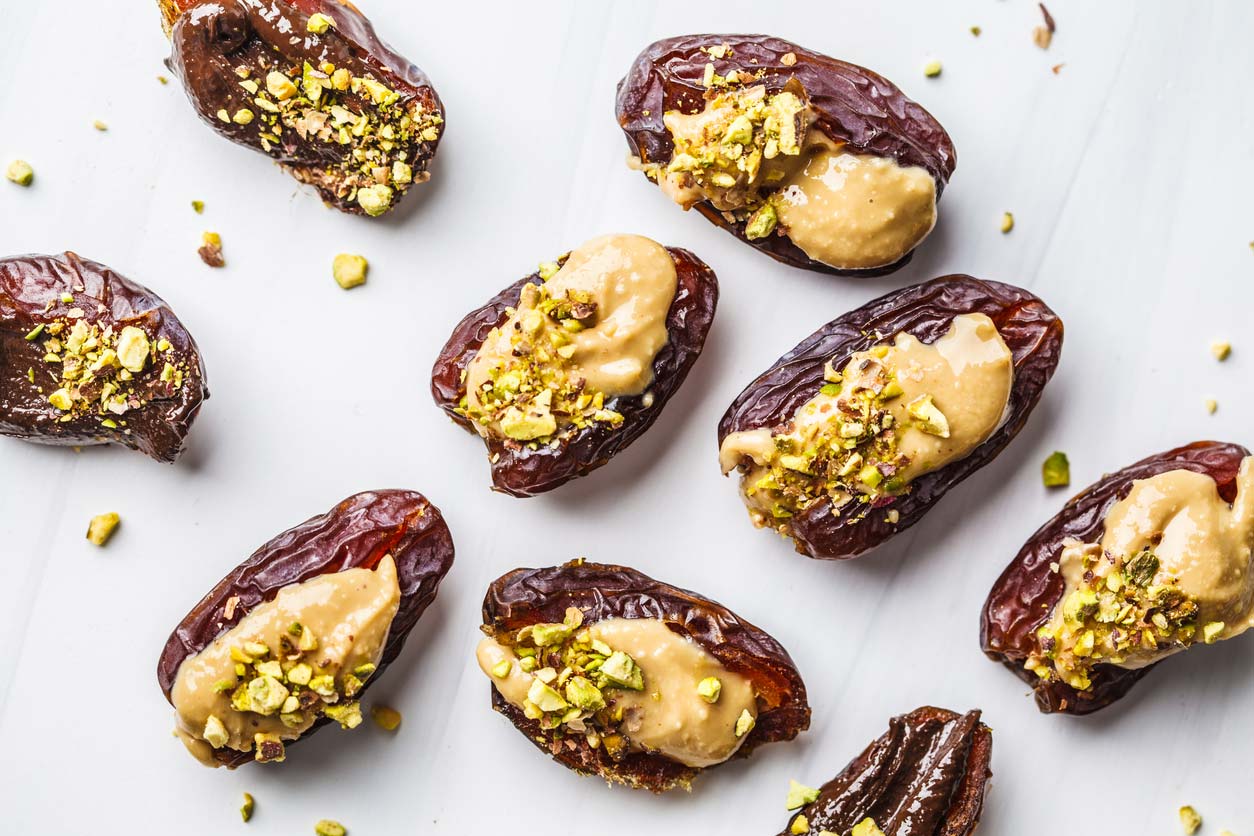
Dates can be enjoyed in a number of ways. They work perfectly as a natural sweetener in baking and desserts, in the form of date sugar, date syrup, date paste, or pureed dates.
Here are some ways to use dates:
- In smoothies or date “shakes” — depending on your blender’s power and your patience, you can either pulverize them completely in liquid, or leave flecks of date floating in your shake
- To make a sweet and satisfying snack stuffed with nut butter or plant-based cream cheese
- Chopped as a topping over oatmeal
- As a main ingredient in date bars or energy balls
- Chopped and mixed into salads or sandwiches
- Made into a sweet, thickened sauce to use for veggies or tofu dishes
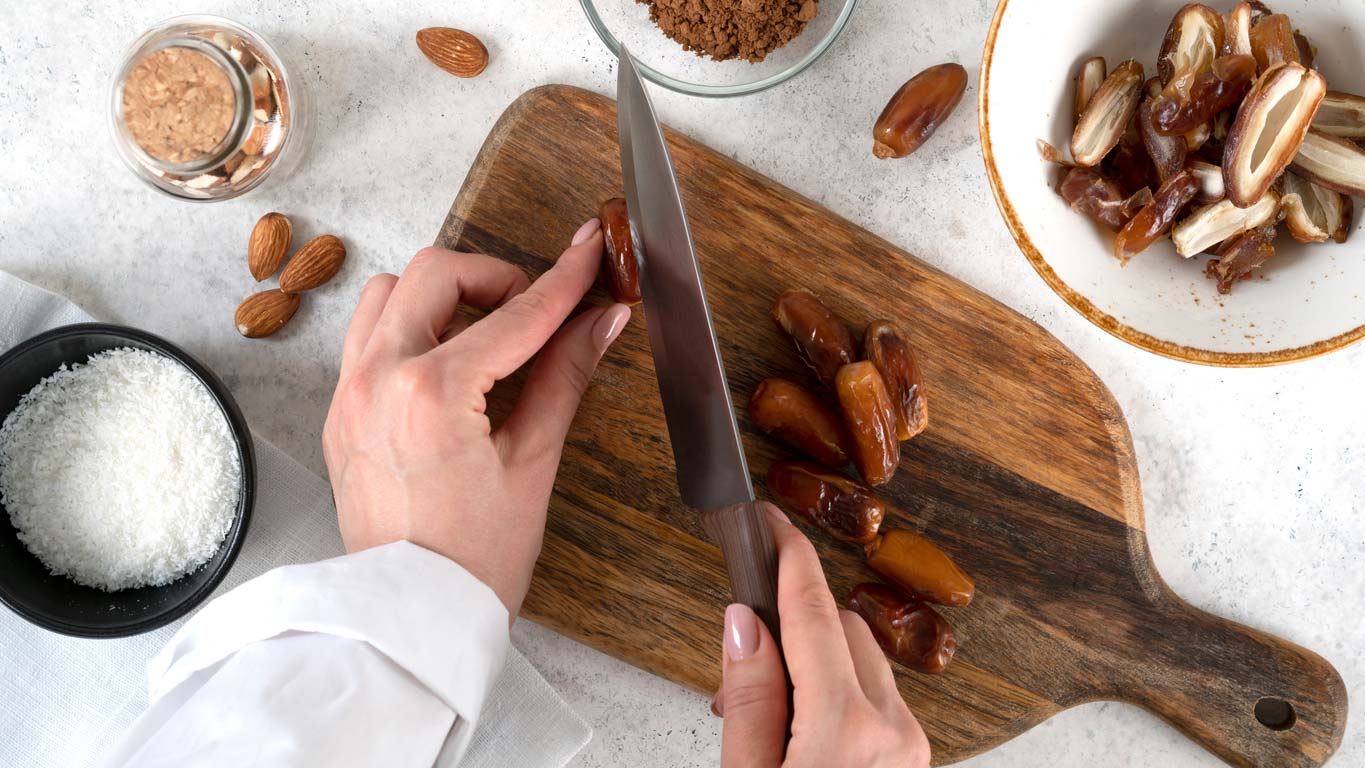
However you choose to use dates, be sure you remove the pits first, if they’re not already pitted, as a date pit can ruin a blender (or a tooth!). All you have to do is gently slice the date lengthwise with a knife and pull out the pit. I’ve occasionally found pits in dried dates labeled as “pitted,” so it’s a good practice to give even these dates a squeeze to make sure nothing is hiding inside.
Pro tip: If your blender sounds like a jackhammer while making your smoothie, you may have accidentally dropped a date pit into the container. If this happens, stop blending. Date pits are probably tougher than the sides of your blender.
3 Date-licious Recipes
One of the loveliest qualities of dates is that they can easily substitute for processed sugar in sweet or savory recipes, adding a natural sweetness that, to me, tastes even better. And as we’ve seen, they’re packed with nutrition like potassium, magnesium, antioxidants, and fiber.
I suggest starting with the Super Simple Date Paste and keeping it in your fridge, so it’s ready to add to recipes all week long. You can also try dates in a savory recipe by making the Pomegranate Balsamic Dressing. And use whole dates for texture and natural sweetness in the satisfying and energizing Sesame Sunflower Chia Bites. Have fun experimenting with date paste or whole dates in a variety of recipes where you might want a little sweetness!
1. Super Simple Date Paste
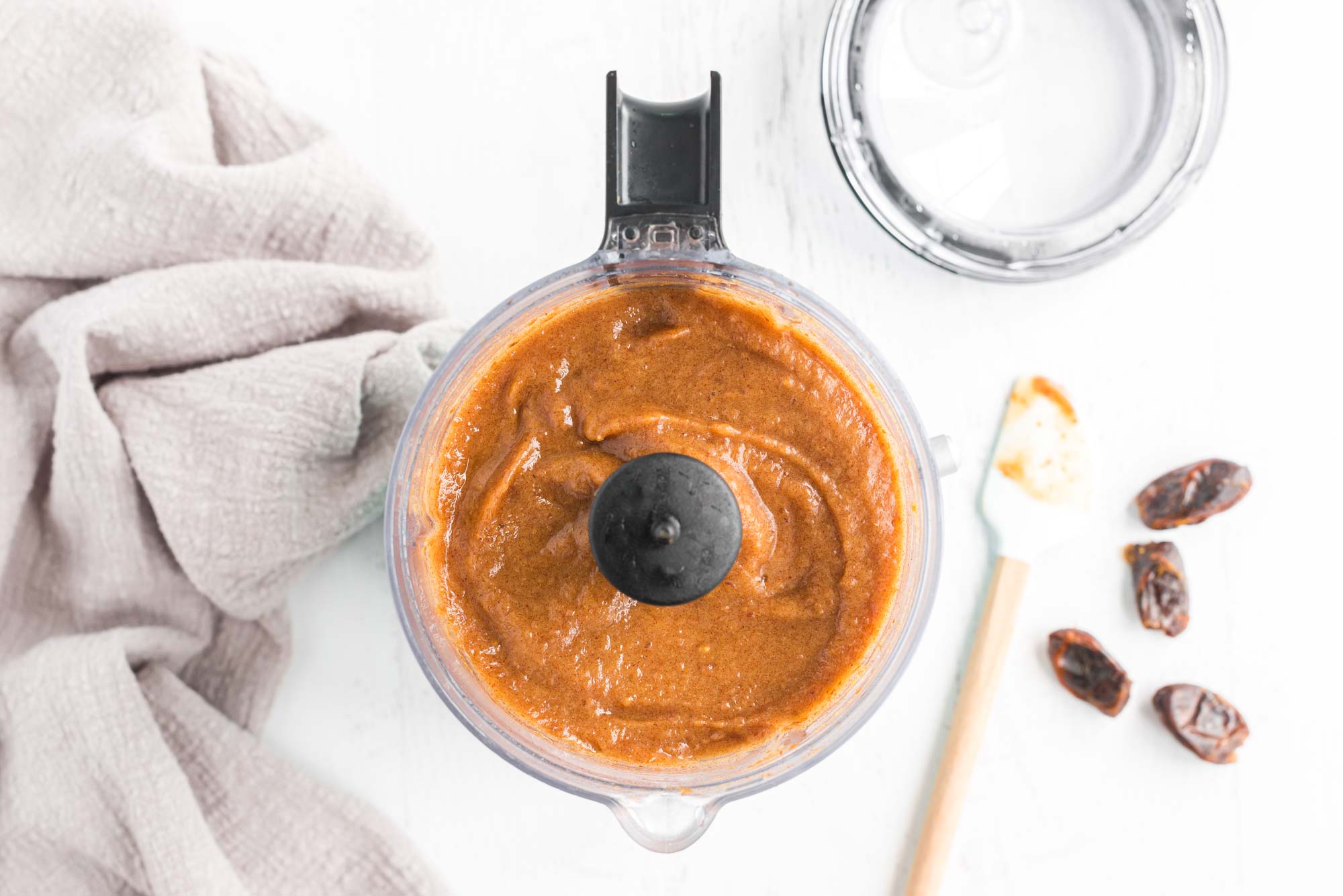
Nutrient-packed, natural sweetness in desserts can come from fruit pastes, which are made by soaking dried fruit in water, sometimes with spices or citrus, and then pureeing the thick mixture until smooth. Dates are the most commonly used (in addition to figs, apricots, and mangos) due to their ability to sweeten everything from baked goods to muffins to dressings and sauces. Plus, dates add fiber, potassium, and magnesium, not to mention many other nutrients mentioned in this article!
2. Pomegranate Balsamic Dressing
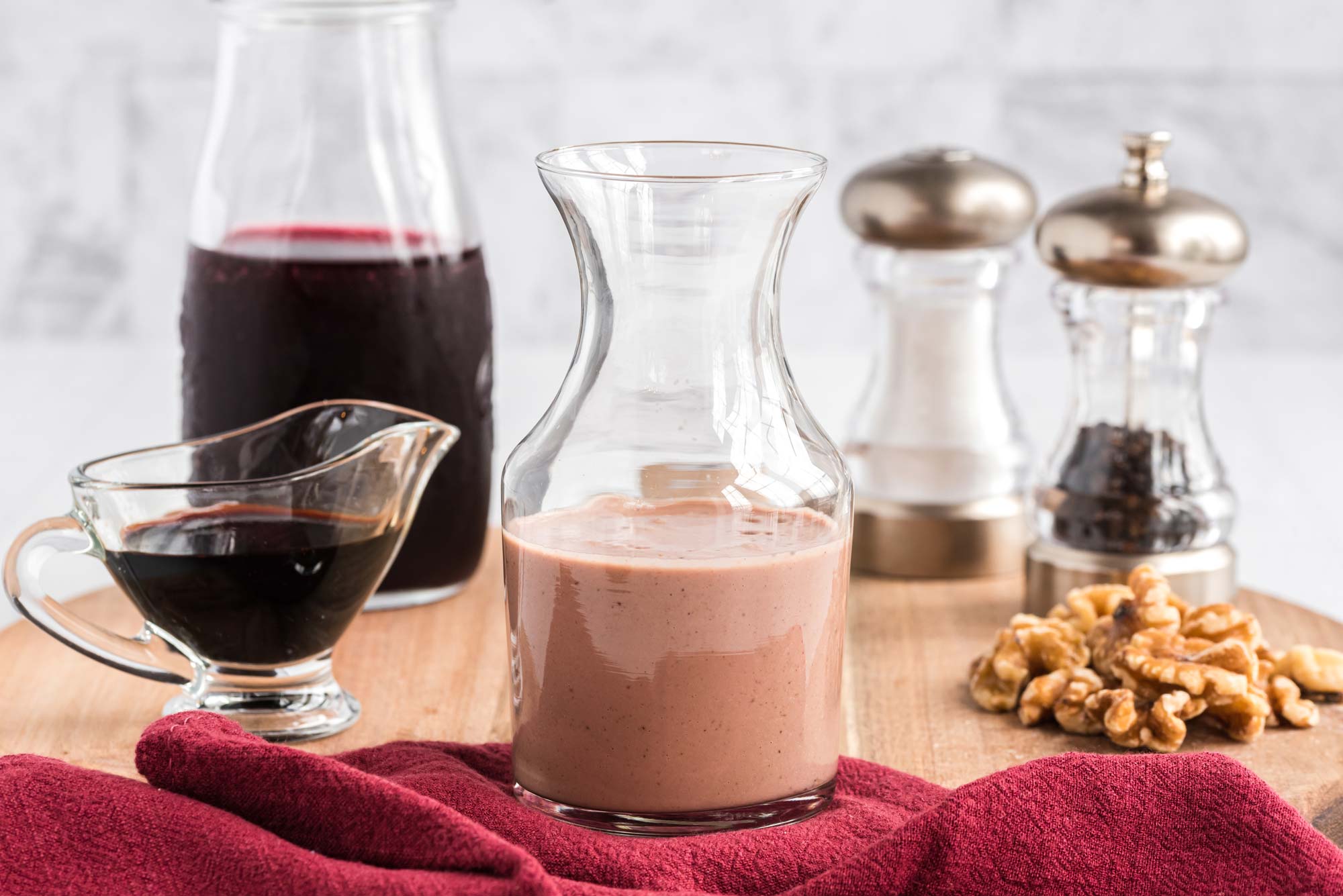
Salad dressings are often laden with processed oils and sugar to thicken and add a little sweetness. Turns out, you can do that with date paste — its thick consistency and natural sweetness also add lots of nutritional value from fiber, vitamins, minerals, and phytonutrients. Using date paste instead of processed sugar is one of our favorite ways to add a little sweetness or cut the acidity in sauce and dressing recipes!
3. Sesame Sunflower Chia Bites

These nutritious bites are sweetened with whole, pitted dates that perfectly complement the nutty flavors of sesame and sunflower seeds. Dates’ carbohydrate content provides a natural source of energy, and seeds provide plant-based protein and healthy fats. Both dates and seeds offer lots of fiber, too. The combination of carbohydrates, protein, fat, and fiber makes for an ideal snack that sustains and satisfies!
The Fruit of Kings

Dates are a highly nutritious fruit with a storied history. They have a number of health and environmental benefits and a wide range of culinary uses, including as whole food, plant-based sweeteners. But do keep in mind that they’re quite calorie-dense, so you may want to use them in moderation if you’re monitoring your overall energy intake.
Tell us in the comments:
- Do you enjoy dates? What are your favorite ways to use them?
- What are your favorite varieties of dates?
- Have you tried using dates in blended drinks? What’s your favorite combination?
Feature image: iStock.com/baibaz

