

Cherries are well-loved for their small size, bright color, intense flavor, and sweet or tart taste. They occupy a prominent place in many cultures, symbolizing pleasure, both gustatory and romantic. When we say, “Life is a bowl of cherries,” we mean that life is full of pleasure and enjoyment.
Technically, cherries aren’t berries, but stone fruits or drupes, which means they have an outer flesh that surrounds a single inner pit. They’re part of the genus Prunus in the rose family and are related to the apricot, peach, plum, and almond. (So that’s the family tree of this tree family.)
Cherries are in season in parts of the Northern Hemisphere between May and August, and in the Southern Hemisphere between November and February.
Part of their popularity stems (ooh, a pun!) from their versatility. Cherries are delightful raw or cooked and are good in both sweet and savory dishes.
Like other brightly colored fruits and vegetables, cherries are high in antioxidants and have a number of health benefits. So let’s take a look at the world of cherries and explore their types, health benefits, and uses.
Sweet vs Sour Cherries

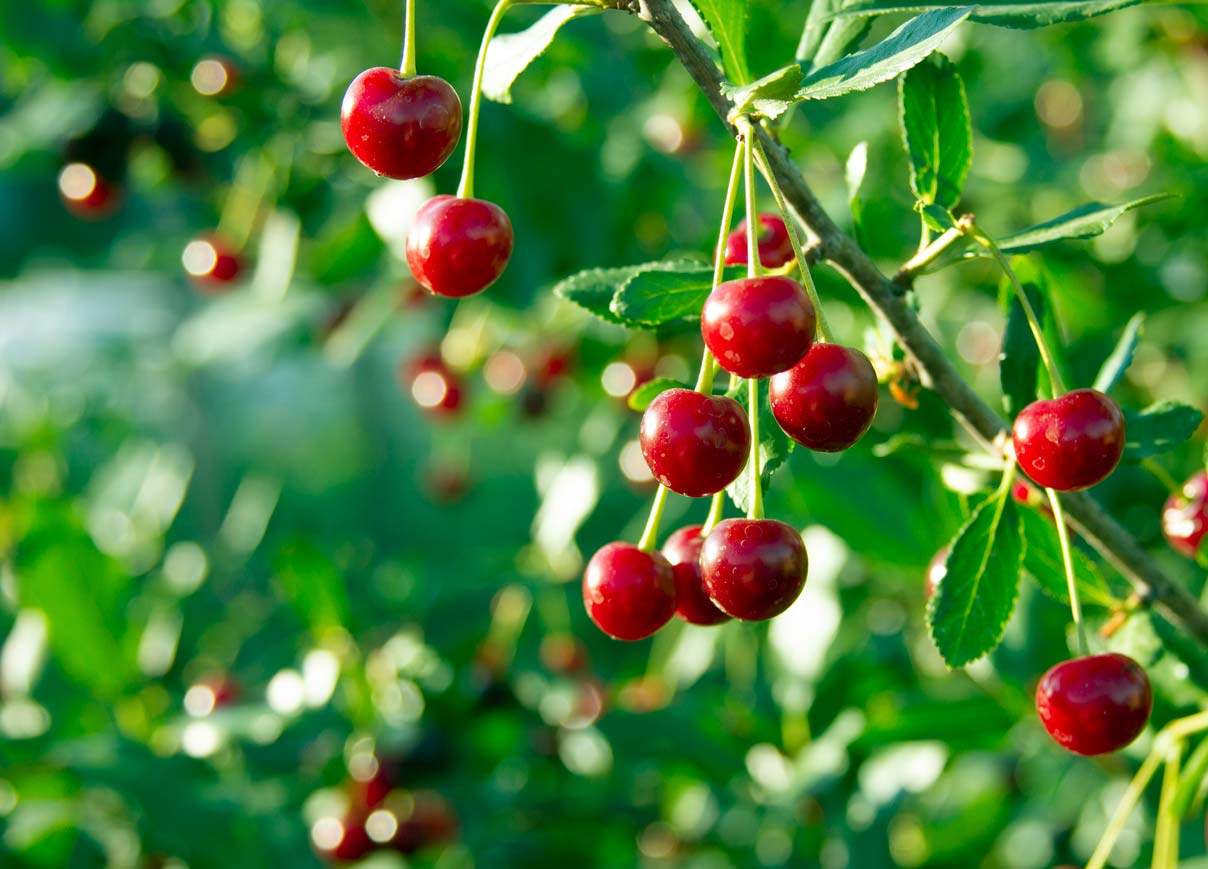
There are two main types of cherries: tart (or sour) and sweet. You can probably guess that the most obvious difference between them is flavor. The variation comes from their acidity levels and natural sugar content.
But the differences between tart and sweet cherries go deeper than their flavor profiles. Sweet cherries tend to have a darker pigmentation and can be almost purple or black, while tart cherries typically retain their bright red color from harvest.
Most of the fresh cherries you can buy are sweet varieties, as tart cherries are more often processed into tart cherry juice, dried cherries, or sold frozen. As such, fresh sweet cherries are available during the summer months (you can also get canned or frozen sweet cherries any time), while you can find tart cherry products all year round.
Both sweet and tart cherries are rich in antioxidants, although they have slightly different profiles. Tart cherries have higher concentrations of phenolic antioxidants, while sweet cherries may have the edge when it comes to anthocyanins. But the tart ones are no slouches when it comes to anthocyanins either, so if it’s disease-fighting properties you’re looking for, you can’t go wrong whichever type you eat.
Types of Cherries
There are more than 1,000 cherry varieties grown around the world. While varieties of cherries can differ in their size, color, and best uses, the main differences remain in their sweetness versus tartness.
Some of the most popular types of sweet cherries include Bing, Rainier, Tulare, Lambert, Coral, Royal Ann, Chelan, Sweetheart, Utah Giant, Van, Stella, and Skeena. (That list makes me want to put them into the chorus of “Mambo Number Five”: “A little bit of Coral in my life, a little bit of Chelan by my side.”)
They range in color from yellow to bright red and have the perfect sweetness to eat on their own or to prepare in a variety of ways.
The most prominent varieties of tart cherries include Montmorency and Morello (which, to me, sounds like a crime-fighting duo made up of a British Lord and an Italian circus clown). Both are known for being incredibly tart, so much so that they’re generally difficult to eat on their own. Tart cherries are more often used to make jam, tarts, or heavily sweetened cherry pie.
Nutritional Profile of Cherries

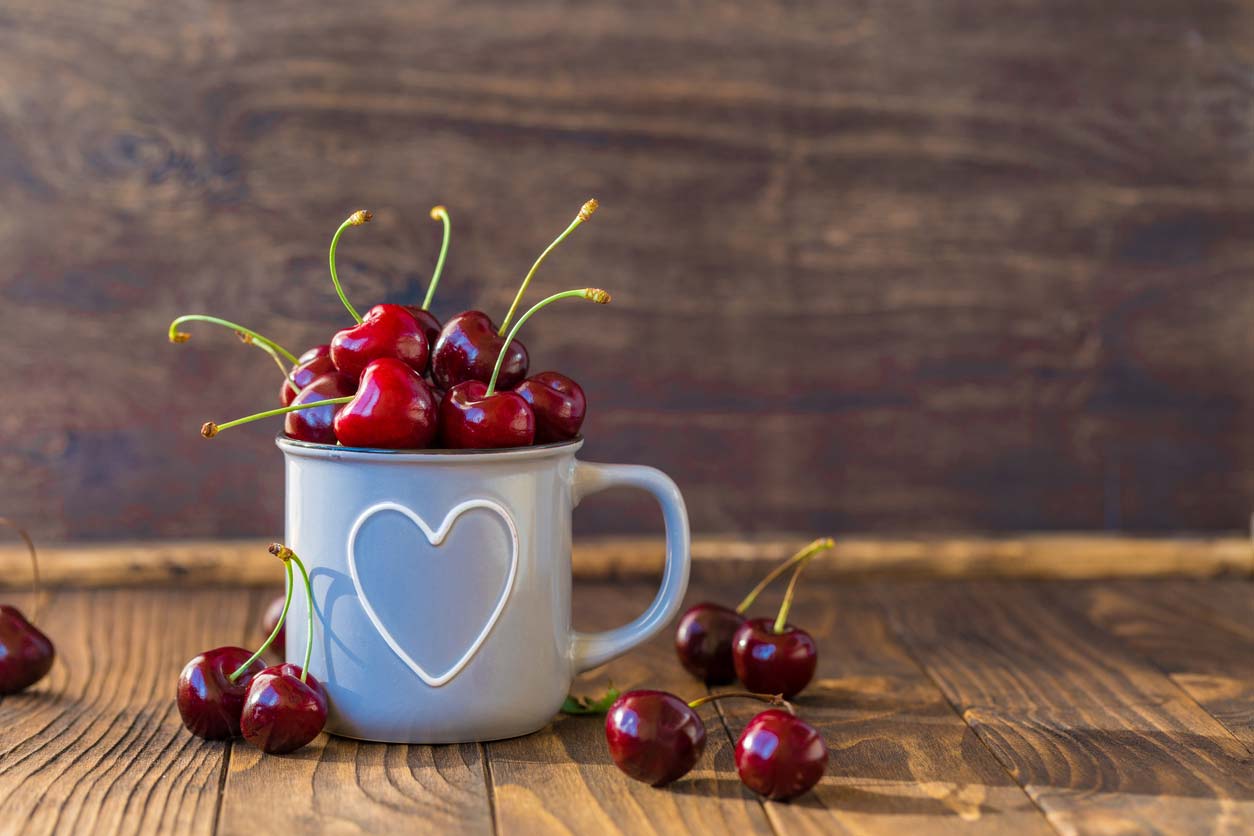
Cherries are incredibly nutritious, no matter which type you choose to eat. Tart cherries and sweet cherries are similar in their overall nutritional profiles.
One 100-gram serving of raw, pitted sweet red cherries offers the following:
- Calories: 63
- Protein: 1.1 grams
- Fat: 0.2 grams
- Total Carbs: 16 grams
- Fiber: 2.1 grams
- Sugar: 12.8 grams
- Vitamin C: 8% of the Daily Value (DV)
- Copper: 7% of the DV
- Potassium: 5% of the DV
- Iron: 2% of the DV
- Vitamin B5: 4% of the DV
Both categories of cherries are good sources of fiber, antioxidants, and electrolytes like potassium. Their dark red color makes them an excellent source of ellagic acid and anthocyanins.
6 Benefits of Cherries
The impressive nutrition of cherries has led to their being studied for a number of health-related uses. What are cherries good for, besides making us happy when we eat them? Here’s a summary of some of the research on the benefits of cherries for health (and no, I’m not — wait for it — cherry-picking).
What are cherries good for, besides making us happy when we eat them? Here’s a summary of some of the research on the benefits of cherries for health (and no, I’m not — wait for it — cherry-picking).
1. Reduce Symptoms of Gout
Sweet cherries have been shown to reduce inflammatory markers when consumed consistently and as part of a regular diet, which could benefit conditions like gout.
In one study, healthy men and women ate 45 cherries a day for a month (that sounds like a fun month to me!) and experienced a 25% reduction in C-reactive protein (a marker for inflammation). When a similar intervention was performed among adults with gout, eating around 16 cherries a day resulted in lower uric acid levels and a 35% lower risk of gout attacks.
And to make sure it wasn’t just an effect of antioxidants like vitamin C, grapes, strawberries, and kiwi fruit were also studied, but found to have no such effect on uric acid levels. In fact, the efficacy of cherries is so convincing that adding them to traditional gout interventions, such as a low-purine diet and medications, seems worth trying. At worst, you get to enjoy around 1,350 cherries every month (fewer in February).
2. Cherries Can Be Good for Your Metabolic Health

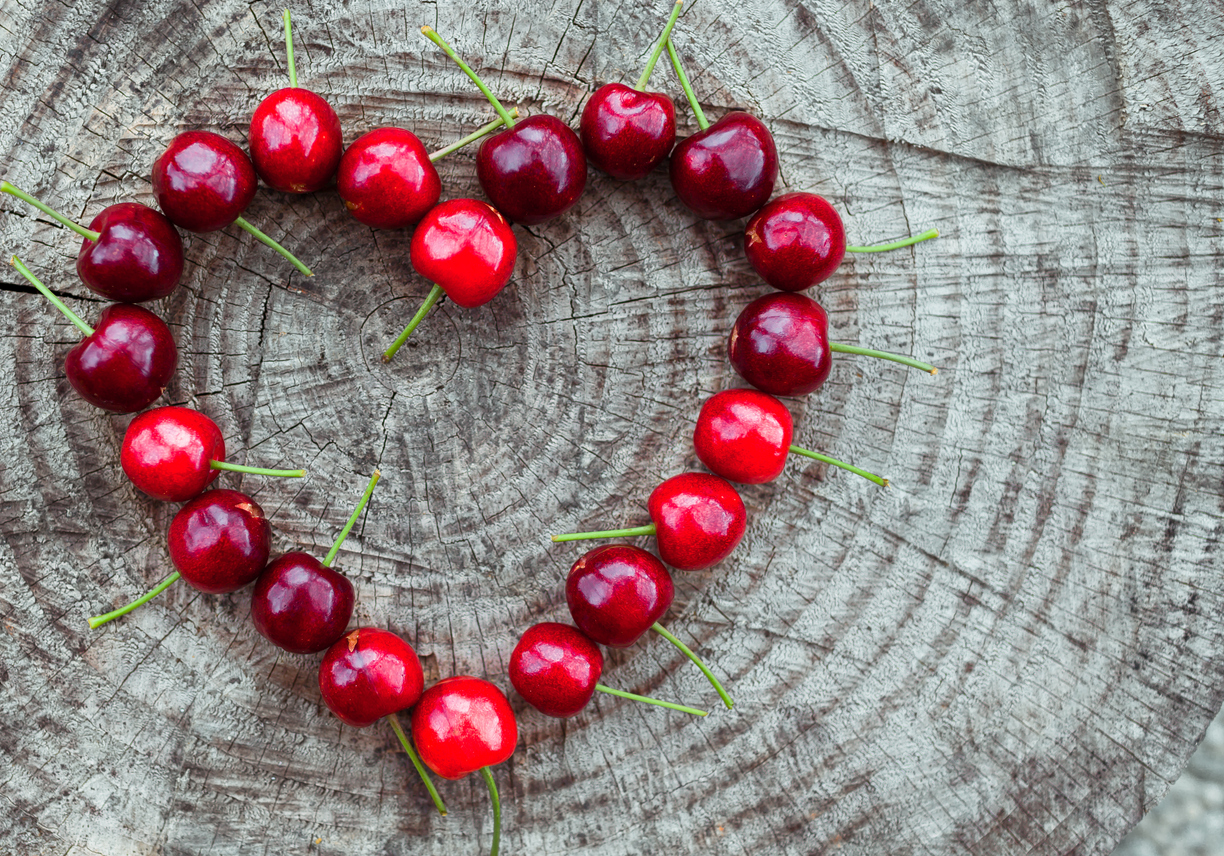
Cherries are especially high in antioxidant compounds called flavonoids, which have been shown to improve cardiovascular health markers. Flavonoids can help prevent endothelial dysfunction, which can lead to atherosclerosis and heart disease.
Researchers found that 12 weeks of drinking 2 cups of tart cherry juice daily reduced systolic blood pressure and LDL (“bad”) cholesterol levels in adults and improved blood biomarkers of inflammation and oxidative stress, particularly those related to heart health.
Tart cherries are increasingly being recognized for their metabolic health benefits. A 2026 review looked at studies involving both animals and people who are overweight or obese — groups that face higher risks of heart disease. (Our view on the use of animals in medical research is here.)
In animals, tart cherry supplements consistently reduced inflammation, mitigated oxidative stress, and improved metabolism. Though research in humans is still catching up, the evidence so far points to the powerful antioxidants and natural compounds in tart cherries as a promising way to support heart health, especially for people managing weight-related risk factors.
3. Cherries Can Improve Sleep Quality
Melatonin, an antioxidant compound that promotes sleep, is found in both sweet cherries and tart cherries.
Given that, it makes sense that several studies have found that cherry consumption can improve both the quality and quantity of sleep. Tart cherry juice may help decrease insomnia severity. (There was no word on whether sweet cherries produced more sweet dreams.)
4. Cherries May Improve Exercise Recovery


Many runners, swimmers, and triathletes drink cherry juice before and after training and races, and some joke that it feels like they’re “doping” because the stuff is so powerful. For instance, a 2020 study found that tart cherry juice improved recovery of muscle function after a marathon by increasing antioxidant activity and reducing inflammation, compared with a placebo.
Tart cherry juice has also been found to improve recovery of isometric muscle strength after intensive exercise by preventing oxidative damage. In a 2016 study, endurance athletes who consumed 480 mg of tart cherry capsules once daily for 10 days experienced less muscle breakdown and immune and inflammatory stress, as well as better aerobic performance, compared to the placebo group.
5. Cherries and Diabetes
Cherries may also offer benefits for blood sugar control. A 2008 study found that women with diabetes who consumed 40 milliliters per day of concentrated tart cherry juice for 6 weeks experienced a significant reduction in HbA1c, a long-term measure of blood sugar levels. Extracts from both sweet and tart cherries were able to prevent drug-induced diabetes in rats and mice. This appears likely to be related to the many antioxidant compounds in cherries, such as chlorogenic acid, anthocyanins, hydroxycinnamic acid, and flavanols, which may work mechanistically to prevent blood sugar spikes and improve regulation.
A groundbreaking 2025 pilot clinical study was the first to investigate the effects of eating whole cherries instead of just juice or supplements. It provided new insights into how cherries can help regulate blood sugar. In the study, 27 healthy adults ate 280 grams of sweet cherries every day for 6 weeks. (That’s somewhere around 40 cherries a day.)
Their glucose control improved, as shown by lower HbA1c and average glucose levels. On top of that, markers of inflammation also dropped noticeably. The researchers suggested that regularly eating sweet cherries could be a simple, natural way to ward off early metabolic problems.
One reason cherries may be helpful for blood sugar management, despite their sweetness, is their glycemic profile. Sweet cherries have a glycemic index (GI) of 62, which is lower than brown rice (68) and the same as a boiled sweet potato. Tart cherries have a much lower GI, at just 22, making them a very low-impact food on blood sugar. And when you look at glycemic load, which many researchers consider an equally important indicator of real-world blood sugar impact, both sweet and sour cherries score just 9, putting them in the low glycemic load category.
That said, if you have diabetes and are uncertain how cherries may affect your blood sugar, it’s worth enjoying them in smaller, more controlled portions and monitoring your response. And choose fresh or frozen cherries over dried cherries, since dried cherries contain much higher sugar levels.
6. Cherries May Help with Alzheimer’s Symptoms
Emerging research suggests cherries may also support cognitive health. A randomized controlled trial found that older adults with mild-to-moderate dementia who drank 200 milliliters of cherry juice daily for 12 weeks showed improvements in verbal fluency, short-term memory, and long-term memory compared to a control group.
A 2025 study from the University of Kent took the research a step further. Researchers developed an anthocyanin-rich powder from cherries that would otherwise have been discarded during fruit processing. They found it reduced markers associated with Alzheimer’s disease in a laboratory model, with greater biological activity than cherry juice or purified anthocyanin extracts alone. Now that’s what I call upcycling!
The researchers suggested that the interaction between multiple natural compounds in the whole cherry — rather than isolated anthocyanins — may be key to its neuroprotective potential.
What About Maraschino Cherries?
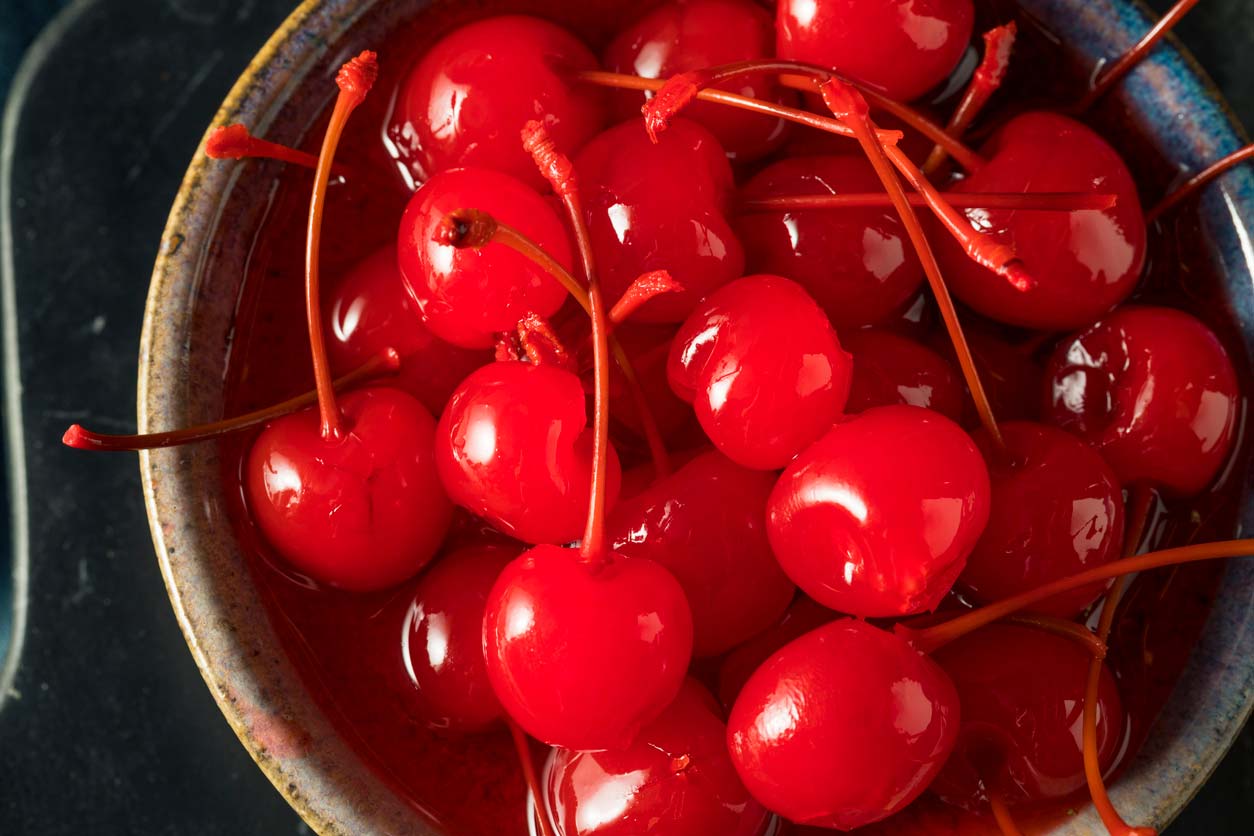
All this talk about cherries may have you wondering about those oddly neon-colored varieties typically seen on top of desserts or on the rims of cocktails known as maraschino cherries.
Maraschinos are not a variety of cherries on their own. In the past, they were preserved in a liqueur made from the Marasca cherry. These days, they’re preserved with artificial preservatives and flavors, colored with artificial colorings, and typically bathed in high-fructose corn syrup to reach their over-the-top sweetness.
That all makes sense for the red Maraschino cherries. What about the blue and green ones? They are made by bleaching regular sweet cherries (often the Royal Ann variety) until they are so white that they can be dyed any desired color.
These cherries are not a health food. I don’t really consider them food at all, given the processing required to produce the end result.
Risks of Eating Cherries
Cherries offer a long list of health benefits, making them an excellent addition to most diets. However, there may be a few things to keep in mind when incorporating cherries into your regular diet.
Cherry Pits
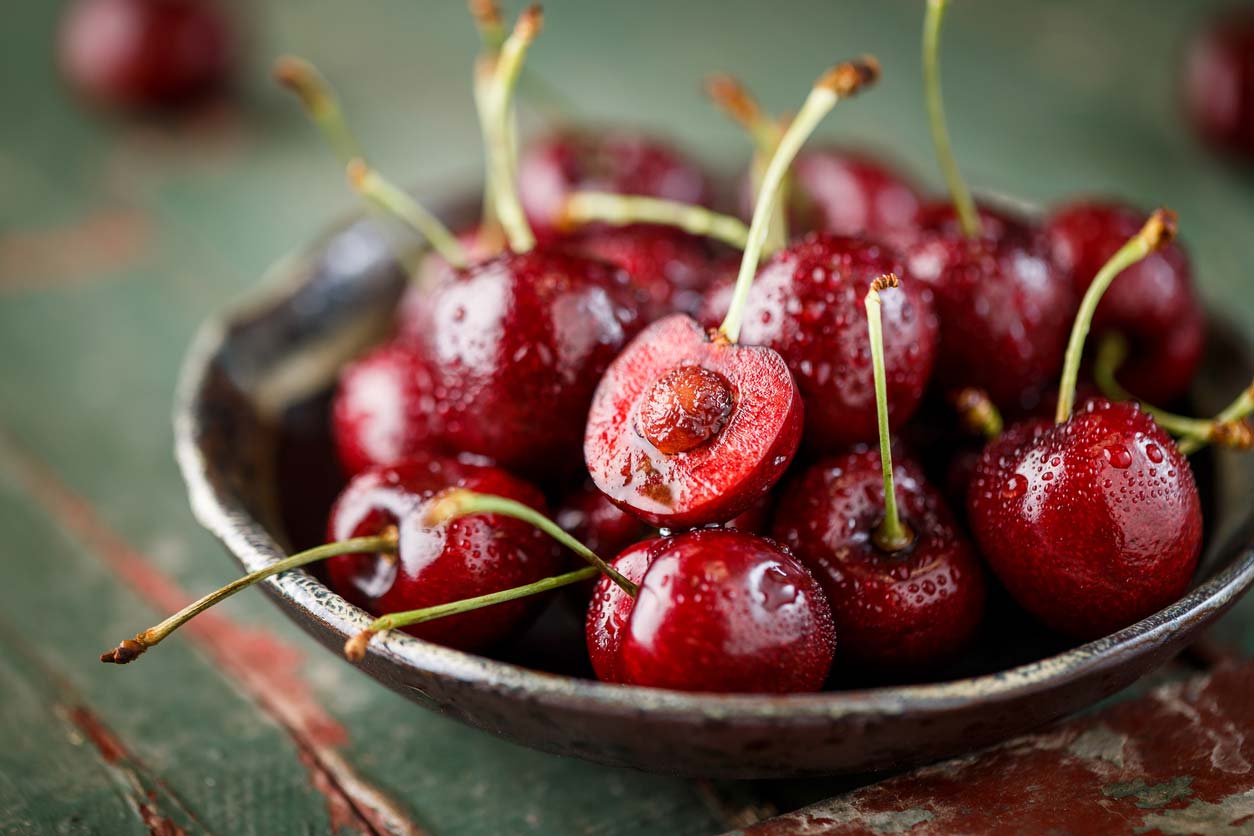
First, because cherries are stone fruits, each contains a single pit in the middle, which can be harmful if eaten.
The problematic chemical in cherry pits is called amygdalin. When you ingest amygdalin, particularly when the pit is crushed or chewed, your body converts it into cyanide, a dangerous poison. But don’t worry — while it’s definitely not recommended to grind cherry pits into your smoothie or swallow handfuls of them whole, Poison Control says that small ingestions (like a single sneaky cherry pit) generally don’t cause any harm.
Accidental ingestion of poisonous compounds isn’t the only risk when it comes to cherry pits. The pits themselves are a choking hazard, especially for children. It’s a good idea to remove cherry pits before offering them to young kids and to teach kids to spit out the pits when they’re old enough to eat them on their own. (But not at each other.)
Are Cherries High in Sugar?
You may have noticed from the nutritional compositions listed above that cherries are naturally high in sugars. For reference, 1 cup of fresh raspberries contains around 7 grams of sugar, whereas the same serving of cherries has 13–20 grams, depending on the variety. Can a fruit that sweet really be healthy?
Here’s the thing: Natural sugars found in fruits and vegetables come in tandem with healthy nutrients like fiber, antioxidants, phytochemicals, vitamins, and minerals. This is vastly different from the highly processed and refined sugar that might be added to a packaged cookie. So yes, sweet fruits like cherries are healthy for most people, thanks to the rich symphony of nutrients.
Gastrointestinal Effects of Cherries
The high natural sugar content of cherries, along with sugar alcohols and compounds called salicylates, can cause digestive problems for some people.
If you find that cherries have this effect on you, it’s probably best not to eat too many all at once. Sticking to smaller servings, like half a cup at a time, may be a good approach. I found this out the hard way recently when I ate a pound of cherries at a single sitting. My tummy felt a little uncomfortable for the next few hours, which was a pretty good indication that I had overdone it. But the cherries tasted so good.
Pesticides in Cherries


Cherries are on the Environmental Working Group’s (EWG) annual Dirty Dozen list. This means they are among the top 12 most pesticide-laden crops when purchased conventionally (non-organic). In fact, according to the EWG, more than 90% of the cherry samples they tested contained residues from at least two pesticides.
The USDA’s Pesticide Data Program has found bifenthrin residues on cherry samples in its testing cycles. Bifenthrin is a pyrethroid insecticide that works by paralyzing and killing insects and has been classified as a possible human carcinogen by the EPA.
Imported cherries may come with their own issues, given suspicions of loopholes in the oversight of organic standards in countries of origin like China and Turkey. Your best bet is probably homegrown or local, organic cherries, either fresh or frozen. Fresh organic cherries can be harder to find, so if you do choose to eat non-organic fresh cherries, it’s wise to wash them well (by soaking them in a baking soda solution for 10 minutes and then rinsing them) before consuming.
How To Choose and Store Cherries
As with any fresh produce, it’s important to know what to look for at the grocery store or market when choosing cherries. Here are some tips for choosing the best fresh cherries to optimize freshness, flavor, and shelf life:
- Choose cherries that are plump and firm.
- Choose cherries that are bright in color, but keep in mind that Bing and other purple cherry varieties have a darker appearance when ripe.
- Avoid cherries with visible bruising or soft spots, as these can indicate rot beneath the surface.
When you get your cherries home, be sure to store them in your refrigerator. Don’t wash your cherries until you’re ready to eat them, as moisture can cause spoilage and premature degradation. Fresh cherries should generally be eaten within 5–7 days of purchase (less if they are very ripe), but if you don’t think you’ll get to them by then, you can always freeze them for longer-term storage. (Pro tip: Remove the pits before you freeze cherries. Frozen pitted cherries can make a great treat-snack!)
How To Use Cherries
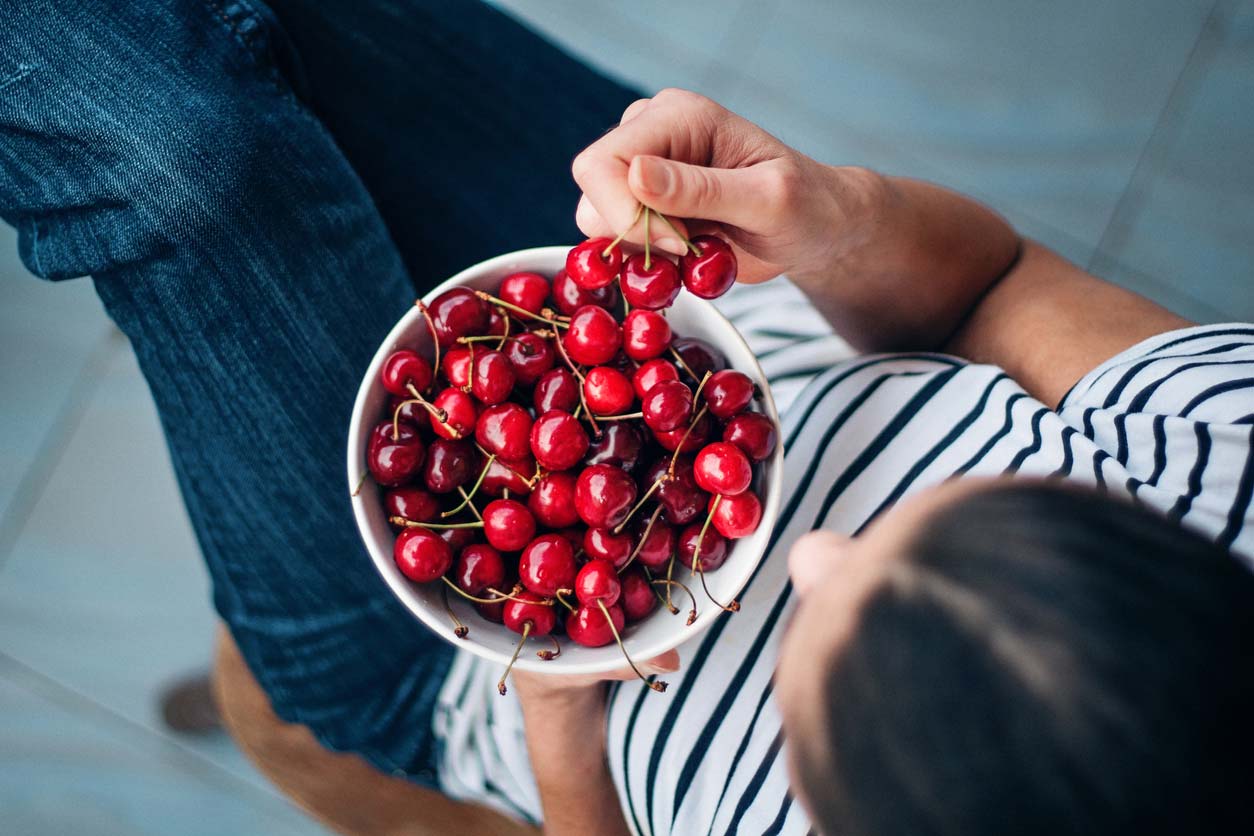
Like other fresh fruits, you can enjoy cherries in their most natural form.
Of course, you can add cherries to many dishes. They work well in both sweet and savory dishes and impart unique flavors to both cold and warm recipes. Sweet cherries are generally used in desserts and sweeter dishes, whereas sour cherries are more often used in savory recipes — although tart cherry pie can be delicious, too!
Here are some ideas for using sweet or tart cherries:
- Eat them straight (personally, this is my favorite option of all)
- Use them to make cherry preserves, jam, or jelly
- Chop them into sweet or tart chutneys and salsas
- Slice them in half and mix them into a fresh fruit salad
- Chop or slice them thinly and use them to top a leafy green salad
- Use them in a variety of desserts, like pies, cakes, and cobblers
- Use them to make cherry vanilla n’ice cream by blending frozen cherries, frozen bananas, soy or nut milk, and vanilla (yum!)
- Blend them into smoothies or homemade juices
- Blend them into homemade salad dressings and other sauces or marinades
- Use them to top plant-based yogurt, granola, or oatmeal bowls
3 Cherry Recipes
Cherries are a fun snack to enjoy on their own, especially when they’re fresh and in season. However, they can be enjoyed year-round when purchased frozen (and sometimes frozen has even more nutritional value, since they’re harvested at the peak of ripeness and frozen immediately!).
Start the day with antioxidant-packed cherries with the Toasted Pistachio and Cherry Overnight Oats. The refreshing and crunchy Cherry Waldorf Salad will appeal to fans of the traditional Waldorf Salad, as well as those unfamiliar with the dish (give it a try!). Finally, Cherry Vanilla Crepes deserve their own category — heaven! They’re ridiculously delicious.
1. Toasted Pistachio and Cherry Overnight Oats
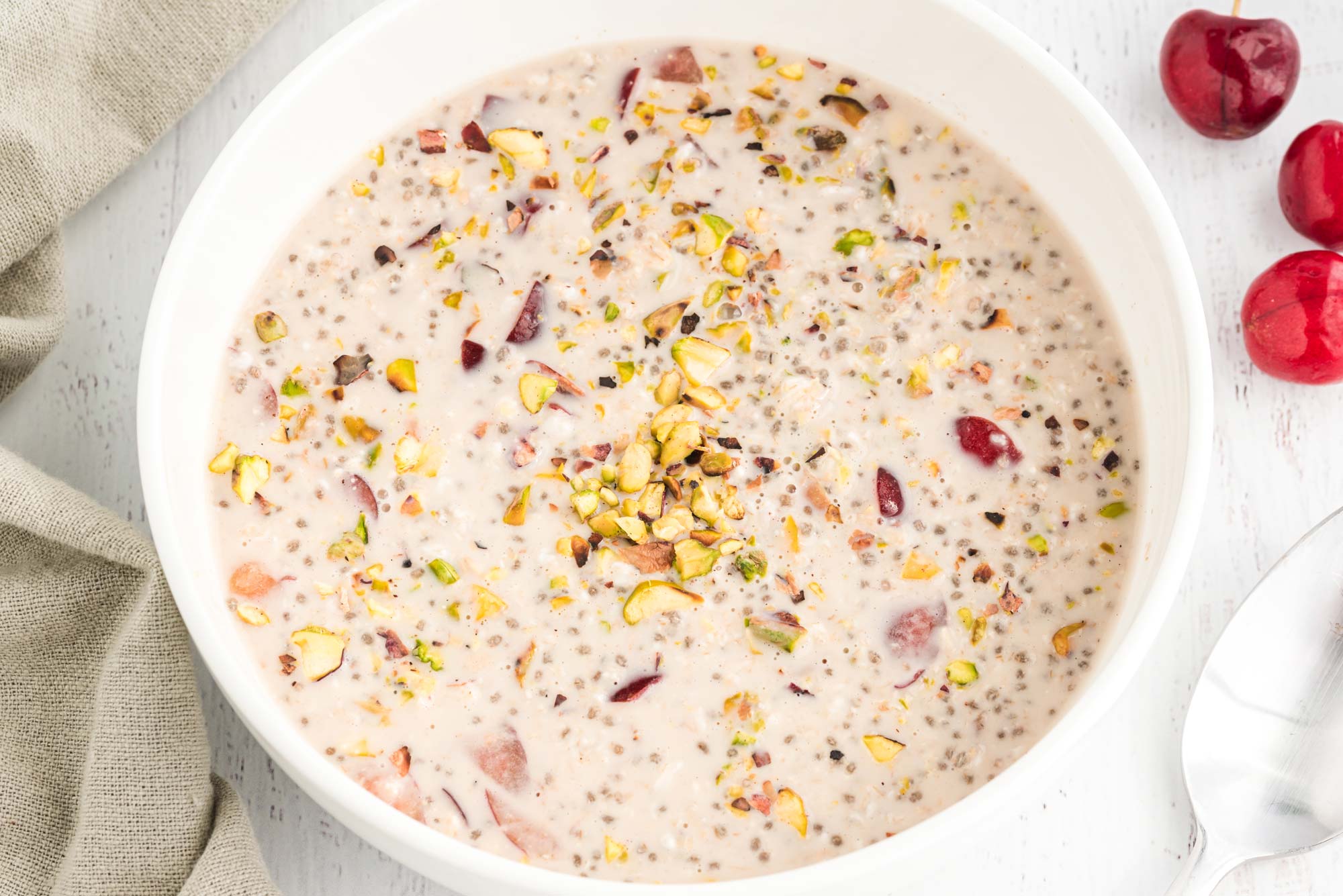

Nothing beats waking up in the morning knowing that your breakfast is waiting for you. Cherries and pistachios are like a culinary match made in heaven, giving traditional oatmeal a flavor and texture lift. Not to mention, cherries and pistachios are packed with nutrients that help fight inflammation, thanks to their abundant phytonutrients. Use frozen cherries to enjoy this breakfast treat all year round!
2. Cherry Waldorf Salad
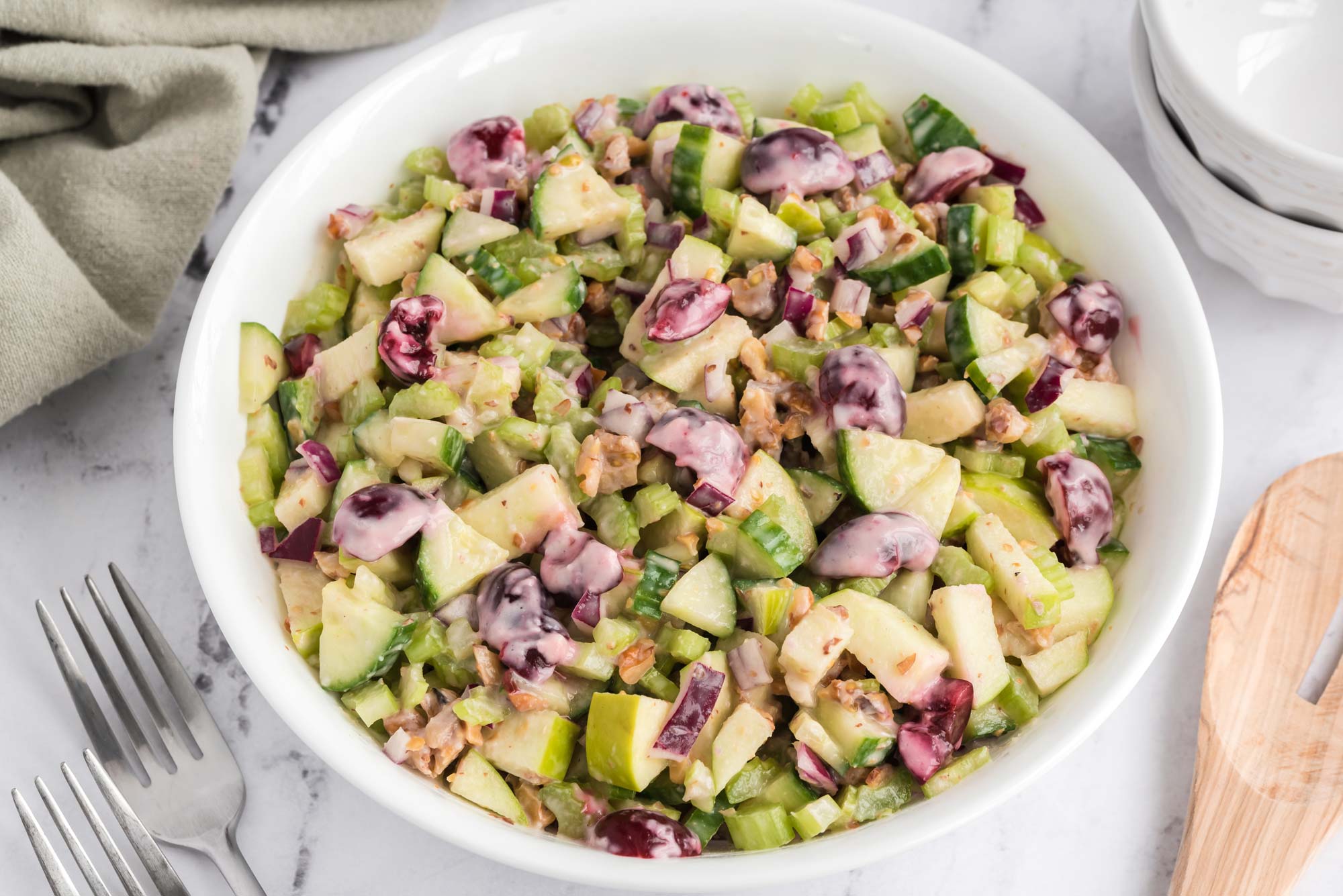
If you’re a fan of traditional Waldorf Salad, then we bet that you’ll love this version even more. If not, we’re confident we can convert you. Tart cherries with toasted walnuts and a creamy plant-based yogurt dressing make an incredible snack or side dish for your main meal. Plus, it’s packed with phytonutrients in the cherries, omega-3s in the walnuts, and probiotics in the dressing.
3. Cherry Vanilla Crepes

Whoa. Whoever thought of the combination of vanilla and cherries, thank you. We love you forever. Slightly sweet and tart cherries, combined with vanilla cashew cream, stuffed into a buckwheat crepe, might be the definition of heaven. The fact that this treat is also good for you is simply mind-blowing!
Cherries Are Sweet, Sour, and Good for You

Cherries are not only pleasing to the eye, but they can also be pleasing for your health. And the cherry on top (bet you didn’t see that pun coming!) has got to be their deliciousness. There are many varieties of sweet and sour cherries, all with a number of remarkable health benefits. Although there are a few things to look out for with cherries, including their high sugar content and the potential for pesticide contamination, with an awareness of these issues, cherries can be, for most people, an excellent addition to a healthy, whole food diet — with many ways to prepare and eat them.
Tell us in the comments:
- Are you a fan of cherries? Do you prefer tart or sweet cherries?
- What are some of your favorite ways to incorporate cherries into your diet?
- Do you live in an area where you can go cherry-picking and enjoy them right off the trees?
Feature image: iStock.com/Anna Pustynnikova
