Food Health

Are Sweet Potatoes Good for You? Everything You Need to Know

·
·
16 min read
Summary

They’re not potatoes or yams. They’re not just for the holidays. And they might just be one of the most underappreciated superfoods on your plate. Discover the truth about sweet potatoes — their incredible health benefits, fascinating history, and how to cook them for maximum flavor and nutrition. Bonus: You’ll get some mouthwatering recipes, too.

When I was a kid growing up in British Columbia, my kale- and turnip-loving parents didn’t feed us processed sugar of any kind.

But once in a while, on a special occasion, we’d have sweet potatoes. When they were baking in the oven, our tiny cabin would fill with warmth (which was its own special treat, especially in the Canadian winter!) and the exquisite smell of sweet-potatoey goodness. 

Clearly, I’m extremely fond of sweet potatoes. So when I decided to write an article about them, I had to check all my happy memories at the keyboard and look at the evidence. 

Meet the Sweet Potato

Sweet potatoes (Ipomoea batatas) are large, starchy, sweet-tasting vegetables. They actually belong to the morning glory family. 

Despite sharing a name, sweet potatoes are only distantly related to the potatoes we typically bake and turn into french fries and potato chips. Non-sweet potatoes (including red, white, russet, and Yukon gold varieties) are part of the edible nightshade family, whose members also include tomatoes, tomatillos, eggplants, peppers, pimentos, and goji berries.

Sweet potatoes are root tubers, meaning they store water and energy, including starch and other carbohydrates, underground. They draw upon these resources to feed the aboveground parts of the plant. Other root tubers include beets, carrots, parsnips, celeriac, and turnips.

The Origin of the Sweet Potato

organic sweet potato harvest tubers in hands of farmer girl
iStock.com/Bondas Olga

Sweet potatoes are some of the oldest foods known to humanity.

They are native to Central and South America. We have fossil evidence that sweet potatoes were growing in the Americas 35 million years ago. But very recently, scientists discovered 57-million-year-old leaf fossils in India that appear to be ancient morning glory leaves. This could beat the American claim as the point of origin of the sweet potato family by about 22 million years (so not exactly a photo finish!).

Wherever and whenever they originated, and however they have traveled the globe, I’m incredibly thankful that most of us have sweet potatoes in our lives today.

I Yam What I Yam, But What’s a Yam?

Sweet potatoes are often called “yams,” but the resemblance is mostly skin-deep — and even that’s a stretch. Botanically, they aren’t even distant cousins.

True yams are related to grasses and lilies. Native to Africa and Asia, they typically have long, cylindrical shapes with thick, brown or black bark-like skin, and white, purple, or reddish flesh inside. Most yams are starchy, dry, and not sweet at all (despite the misleading name swap).

Sweet potatoes, on the other hand, are from the morning glory family. They usually have tapered ends, smoother skin, and — true to their name — a naturally sweet flavor.

Here’s where it gets confusing: In North America, many grocery stores label soft-fleshed sweet potatoes (like garnet or jewel varieties) as “yams.” Why? Because decades ago, when both firm and soft types of sweet potatoes started being sold, grocers needed a way to tell them apart. Since the soft ones looked more like yams, the name stuck — even though it’s botanically incorrect.

So, if you’re seeing “yams” at the supermarket, chances are good you’re looking at sweet potatoes in disguise. Real yams? You’ll likely need to visit an international or specialty market to find those.

How Many Sweet Potato Varieties Exist?

Steamed sweet potatoes on plate ready to eating on white background
iStock.com/Nungning20

While most supermarkets carry one or two different types of sweet potatoes, more than 100 varieties are available in the United States. And I was amazed to discover that this represents only a tiny fraction of the total diversity of sweet potatoes. 

The sweet potato geeks of the world may be fascinated to know that the International Potato Center in Peru maintains a gene bank consisting of over 6,500 varieties of sweet potato. I don’t know about you, but I wish I could try them all!

Sweet potato varieties range in color from dark red to brown to purple to orange-yellow to white, with different tastes, sizes, shapes, and textures. 

Here are Just a Few of the Most Popular Types of Sweet Potatoes:

  • Beauregard, garnet, and jewel sweet potatoes are known for their reddish-orange skin and deep orange flesh. These are often the ones masquerading as yams at mainstream grocery stores. Who knew sweet potatoes could be so sneaky?
  • White sweet potatoes are crumbly, with white flesh and golden-brown skin. They don’t contain as many antioxidants as orange varieties.
  • Japanese or Satsumaimo sweet potatoes are known for being sweeter than most other types. This is especially true when they start caramelizing in the oven.
  • Okinawan sweet potatoes are also known as purple sweet potatoes because of their high anthocyanin content. Anthocyanins are the pigments that give red, blue, and violet plant foods their beautiful colors. Anthocyanins are also what give Okinawan potatoes 150% more antioxidant power than blueberries


Despite their name, Okinawan potatoes are native to the Americas. They were brought over to Japan sometime in the 16th century, where they grew well and have become a staple in many Japanese dishes. In North America, true purple sweet potatoes are most likely to be found in an Asian supermarket. 

Sweet potatoes are very hardy vegetables. They’re able to grow at many altitudes, in many climates, and under compromised soil conditions. Even if you don’t have the greenest of thumbs, sweet potatoes are pretty forgiving with just a little TLC (Tuber Loving Care).

What Makes a Sweet Potato Sweet?

Have you ever smelled sweet potatoes caramelizing in the oven, or used them to make a pie or a cake?

If so, you know that even though they aren’t closely related to potatoes, at least the “sweet” part of their name is entirely appropriate.

When sweet potatoes are heated, an enzyme starts breaking down their starch into a sugar called maltose. Maltose isn’t as sweet as table sugar. But it’s enough to satisfy a sweet tooth that hasn’t been entirely overwhelmed by M&M’s and HERSHEY’S KISSES.

You can control the sweetness of sweet potatoes somewhat by how you cook them. Cooking sweet potatoes quickly (for instance, by steaming them or cutting them into smaller pieces before roasting) can reduce their ultimate sweetness.

On the other hand, cooking sweet potatoes slowly on low heat allows the maltose-making enzyme more time to convert the starch into sugar, giving you sweeter sweet potatoes.

Looking for even more control over the sweetness? The sweet potato enzyme is activated once it reaches around 135 F and stops working at around 170 F. (That’s 57 to 77 C). So the more time they spend in that range, the sweeter they’ll be.

Are Sweet Potatoes Good for You?

organic sweet potato harvest tubers in hands of farmer girl
iStock.com/Bondas Olga

The people of Okinawa, Japan, have traditionally enjoyed one of the highest life expectancies in the world, as I discovered when my dad was researching his book Healthy at 100: The Scientifically Proven Secrets of the World’s Healthiest and Longest-Lived Peoples.

One of those secrets, it turns out, is lots and lots of sweet potatoes. The traditional Okinawan diet consists of minimal meat, dairy, eggs, and processed foods. Instead, they eat mostly whole plant foods, and they get a remarkable 60% of their calories from sweet potatoes alone.

It’s partly because of this high-fiber and antioxidant-rich dietary pattern that Okinawans enjoy such a long lifespan. Living to be one hundred years or older is not uncommon in Okinawa. Okinawans also experience less chronic disease than Americans do, with significantly fewer deaths from heart disease and cancers of the colon, breast, and prostate.

Traditional Papua New Guinea Highlanders have also been known to eat a lot of sweet potatoes. Tubers like sweet potatoes (and yams) have traditionally provided 90% of their calories!

They don’t eat much, if any, meat either. How has a sweet potato-based diet affected their health? 

A study published in the Journal of Internal Medicine in 1994 found that when these native groups still followed this traditional way of eating, they enjoyed lower blood pressure and weight than Westerners, and they almost never experienced heart disease, strokes, or other modern chronic diseases.

So, are sweet potatoes healthy? It sure seems like it!

What makes them so good for you? 

Sweet Potato Nutrition

Sweet potatoes are high in fiber, vitamin C, potassium, pantothenic acid (vitamin B5), niacin (vitamin B3), vitamin B6, manganese, magnesium, and copper. They also contain a modest but helpful amount of protein, around 4 grams per cup when cooked.

When compared to true potatoes, sweet potatoes offer more vitamins and antioxidants. The orange ones get their color from beta-carotene, which is a pigment and antioxidant. 

But the greatest sweet potato nutritional glory of all may be its rich supply of vitamin A

Sweet Potatoes Are Remarkably High in Vitamin A

Raw Sweet Potato (detailed close-up shot) on wooden background
iStock.com/HandmadePictures

Vitamin A deficiency is the world’s foremost preventable cause of childhood blindness. Each year, it blinds an estimated 250,000–500,000 children, and half of them die within twelve months of losing their sight.

For more than two decades, governments, foundations, and biotechnology firms have poured hundreds of millions of dollars into “Golden Rice.” This is a form of rice that’s been genetically engineered to provide beta-carotene (a precursor to vitamin A). Despite decades of effort, the product has still not reached the market in most of the world. And now, in a striking twist, even the Philippines — the first country to approve Golden Rice for commercial planting — has revoked its permit, citing safety concerns and a lack of scientific consensus.

Meanwhile, an off-the-shelf alternative has been waiting in plain sight: the orange-fleshed sweet potato. These sweet potatoes pack far more beta-carotene than Golden Rice ever promised, thrive in many of the same climates, and can be replanted from cuttings without licensing fees. Directing even a fraction of the world’s bioengineering budget toward distributing sweet potato cuttings and training farmers could have improved children’s diets for decades.

The shortcomings of the biotech approach were underscored in 2018, when the U.S. Food and Drug Administration concluded its consultation process on Golden Rice, informing the current developers, the International Rice Research Institute (IRRI), that Golden Rice does not meet the nutritional requirements to make a health claim. 

In effect, the FDA was saying that GMO Golden Rice offers no meaningful nutritional benefits.

Which again raises the question: How much better off would people be if the hundreds of millions of dollars spent on developing Golden Rice had instead been used to support the growth of sweet potatoes, carrots, and other vitamin A-rich vegetables in parts of the world where vitamin A deficiencies are a problem? 

Of course, that wouldn’t have made biotech company Syngenta any money. But it would have helped a whole lot more people than Golden Rice ever has, and most likely, ever will.

10 Incredible Sweet Potato Benefits

The unique nutritional profile of sweet potatoes makes them powerful allies in preventing disease and supporting overall health.

Here are some benefits of adding sweet potatoes to your diet.

1. Sweet Potatoes Support Digestive Health

Sweet potatoes are an excellent source of fiber, especially their skin. Fiber is important for your digestive health, preventing constipation and more serious diseases like colon cancer. 

One medium sweet potato has about four grams of dietary fiber. Sweet potatoes also contain resistant starch, a type of starch that plays a role in feeding your body’s “good” bacteria. 

2. Sweet Potatoes Keep Your Heart Healthy

Shot of an unrecongizable man holding his chest in pain indoors
iStock.com/PeopleImages

The high fiber content of sweet potatoes can lower LDL (bad) cholesterol levels, helping to prevent cardiovascular disease. 

Sweet potatoes are also high in potassium, which works in balance with sodium in your body to maintain healthy blood pressure. 

They’re also high in copper, an essential metal for making red blood cells and keeping your heart healthy. Low levels of copper have been linked to dangerously high homocysteine, blood pressure, and LDL cholesterol levels.

3. Sweet Potatoes Could Actually Help Stabilize Blood Sugar

Since sweet potatoes are so, well, sweet, will they spike your blood sugar? Surprisingly enough, their glycemic load is moderate. Thanks to their fiber and complex carbs, they tend to cause a slower, steadier rise in blood sugar than true (not sweet) potatoes. And how they’re cooked matters, too. Boiling brings down their glycemic load, while baking or roasting tends to raise it.

In addition to their fiber and complex carbohydrates, which stabilize blood sugar and help you feel full longer, sweet potatoes contain other substances that help stabilize blood sugar. 

A 2004 study published in Diabetes Care successfully used Caiapo, an extract from white sweet potatoes, to naturally reduce and manage blood glucose levels in people with type 2 diabetes. Participants who consumed just 4 grams of Caiapo every day for 12 weeks saw significant reductions in their A1C and other blood sugar metrics compared to placebo.

4. Sweet Potatoes Can Boost Your Immunity

Deep fried purple sweet potato balls with hand, Thai street food
iStock.com/Nungning20

Sweet potatoes are rich in antioxidants that prevent free radical damage in your body. 

One cup of baked sweet potato contains about half of your daily value for vitamin C, which is important for wound healing and tissue repair. That’s a rough average, since variations in how you prepare the sweet potatoes and which variety you’re preparing can raise or lower the amount.

What’s more, the vitamin A in sweet potatoes helps your body make immune cells that stave off infections and disease and have anti-tumor effects. Purple sweet potatoes contain especially potent antioxidants.

5. Sweet Potatoes Are Good for Your Eyes

Sweet potatoes contain several nutrients that have been linked to improved eye health and vision. Some of the most powerful are the carotenoids, including alpha-carotene, beta-carotene, lutein, and zeaxanthin. 

Beta-carotene, when taken as a supplement in isolation from the other carotenoids, can cause imbalances. But when eaten in foods, where it is always accompanied by, and in balance with, an entire suite of carotenoids, it’s been shown to have powerful anti-cancer and vision-enhancing properties. 

Orange sweet potatoes (as well as other orange plants, including carrots and orange bell peppers) have particularly high concentrations of carotenoids.

It’s not just the orange sweet potatoes that are good for your vision, though. A class of anthocyanins called PSPA, derived from purple sweet potato roots, might also benefit your eyes. 

A study published in Food & Nutrition Research in 2015 looked at whether PSPA could influence the health and growth of human retinal pigment epithelial (RPE) cells. These cells are responsible for helping your eyes absorb light, as well as directing the immune response to a threat to eye health. The researchers found that PSPA promoted DNA synthesis and healthy RPE cell growth and survival. You don’t have to wait for a supplement company to produce a formulation of PSPA to protect your vision; you can eat some purple sweet potatoes today!

6. Sweet Potatoes Fuel Your Brain

Portrait of a senior man running in the public park
iStock.com/andreswd

Sweet potatoes also contain compounds that help your brain function at its best, including choline and manganese. 

Choline is an essential nutrient for brain growth and development. It’s also required for the synthesis of the neurotransmitter acetylcholine that sends messages between cells. 

Manganese is also important for brain health. It binds to neurotransmitters and helps move electrical impulses through your body faster. You can find 43% of your daily value of manganese in one cup of baked sweet potato (based on a 2,000-calorie diet). 

The anthocyanins unique to purple sweet potatoes may also have memory-enhancing properties, but I forgot what these are. (Kidding! They were found to help alcohol-stressed mice remember a task far better than mice who weren’t fed these anthocyanins. ​​BTW, our view on the use of animals in medical research is here.)

7. They Can Help Ease Stress and Anxiety

Sweet potatoes may help you relax. They’re high in magnesium, which has been shown to play a role in calming the brain. Magnesium deficiency has been linked to depression, mood disturbances, and headaches. 

For a comprehensive look at magnesium, including health benefits and where you can find it, check out this article, where you’ll learn that other good sources of magnesium include avocados, legumes, tofu, nuts, seeds, and leafy greens. (And clicking any of those links will send you to an article dedicated to that food.) 

Or I can just cut to the chase and share a delicious, magnesium-rich meal that I’m dreaming about right now: a loaded baked sweet potato piled high with a soft nut cheeze, avocado, a drizzle of flax oil, and a sprinkle of seasoning, accompanied by some freshly steamed and piping hot leafy greens.

8. Sweet Potatoes Can Help Boost Fertility

Pregnant, couple and hands on tummy on sofa with bonding, stomach touch and support with maternity and motherhood. Future parents and affection on couch with healthy pregnancy and excited for baby
iStock.com/Jacob Wackerhausen

Vitamin A is an essential nutrient for healthy reproduction, and as we know, sweet potatoes are a fantastic source. 

Sweet potatoes also offer a moderate supply of iron. Evidence from the Nurses’ Health Study showed that women who consumed more non-heme iron (from plant sources like sweet potatoes) had a significantly lower risk of ovulatory infertility.

9. Sweet Potatoes Can Help Fight Cancer

Sweet potatoes are a rich source of cancer-fighting antioxidants, especially in their skin. They have other anti-cancer properties, too.

Up to 80% of the protein in sweet potatoes is a type of storage protein known as sporamin. This unique protein has been studied for its anti-cancer properties and has been found to inhibit tongue, gallbladder, and colorectal cancers. It has also been shown to be capable of slowing cancer cell growth and reducing cell migration and invasion in metastatic cancers. 

Sweet potato peels, especially those of the purple varieties, may be especially powerful when it comes to cancer prevention. 

A study published in Nutrition and Cancer in 2016 looked at the antioxidant and anti-cancer effects of an extract from sweet potato peels. They found promising anti-cancer activity for cancers of the breast, colon, ovary, lung, and head/neck

10. Sweet Potatoes Have Anti-Inflammatory Effects

Woman, yoga and fitness with lotus pose on living room floor for zen, mental health and healthy at home. Indian, person or meditation in peace to relax, chakra train and spiritual wellness in house
iStock.com/Jacob Wackerhausen

Eating sweet potatoes may also help reduce chronic inflammation, a condition that may be at the root of most, if not all, preventable diseases. 

This is chiefly due to their high levels of beta-carotene, vitamin C, and magnesium. Their high levels of fiber and their abundance of antioxidants don’t hurt here, either.

One of the particular antioxidants that is found most abundantly in purple sweet potato flesh is cyanidin, which has been linked to reducing inflammation, especially in the digestive tract. 

How to Choose and Store Sweet Potatoes

Next time you shop for sweet potatoes, here are a few things to keep in mind. 

When you pick one up, take a close look at its skin (no, you don’t have to pack your magnifying glass). It should all be mostly the same color without visible signs of decay or cracking. 

Give it a little squeeze. You don’t want your sweet potato to be squishy anywhere, as this could indicate rotting. 

When you get your sweet potatoes home, find them a nice place to rest in a basket on your countertop or in your pantry. They should be kept dry and cool at room temperature, not refrigerated. 

Typically, you should use sweet potatoes within a few weeks of purchase. 

The Best Way to Prepare Sweet Potatoes

Hasselback Sweet Potatoes in a Roasting Dish
iStock.com/rudisill

Maybe you eat sweet potatoes regularly. Or perhaps the only time they come to mind is when presented as a seasonal side dish. 

Me? I’ve been known to enjoy a baked or steamed sweet potato for breakfast with a delicious organic tofu chive spread on it. Or for lunch with salad dressing or a peanut curry sauce. Or as a base for dinner, or even dessert. 

About the only thing I haven’t tried is a steamed sweet potato smoothie (although, come to think of it, maybe I should!). Sweet potatoes are delicious, incredibly versatile, and can be eaten in more ways than you may think. 

You can prepare them by boiling, steaming, baking, stir-frying, grilling, or cooking and mashing.

But the bottom line is: You just might want to cook sweet potatoes in whatever way makes you most likely to eat — and enjoy them.

The only way I’d recommend not preparing sweet potatoes is by deep-frying them. This isn’t the healthiest way to cook food anyway. But for sweet potatoes, it can actually lead to the creation of acrylamide, a potential carcinogen. That’s the same compound that forms in french fries — one more reason to skip the deep fryer and cook your tubers just about any other way.

If it works well with your recipe, try leaving the skin on for some potent fiber and nutrients. Sweet potato skin may have over 10 times the antioxidant power of the flesh inside

Including a few grams of fat in your sweet potato recipes can significantly increase the amount of beta-carotene your body absorbs from the meal. Just use a small amount of nut butter, avocado, olive oil (if you use oil), or have a fat source in the same meal. 

Can You Eat Sweet Potatoes Raw?

Regular raw potatoes, especially green ones, can contain the toxic enzyme solanine, so they shouldn’t be eaten raw. Sweet potatoes can be consumed without cooking; however, they might cause some digestive issues.

If you do decide to try them — maybe grated in a smoothie or salad — you may not want to eat too many raw sweet potatoes because they have an enzyme inhibitor that makes it harder for your body to digest protein and can make digestion difficult when consumed in large quantities. (Cooking destroys this protein inhibitor.) 

Bloating, cramps, and gas may occur when eating raw sweet potatoes. They might also make you fart because they contain raffinose, one of the sugars responsible for flatulence. (Perhaps because I have twin sons, I somehow find it interesting that the word ends in “nose.”)5 Healthy Sweet Potato Recipes

My mouth is watering as I think about all the ways you can prepare sweet potatoes.

Check out some of these healthy recipes if you want some delicious ideas.

1. Avocado Sweet Potato Toast

Think outside the box for breakfast with this delicious Avocado Sweet Potato Toast recipe. A thick slice of sweet potato makes an excellent (and creative) superfood swap on days when you are in the mood to mix things up. Piled high with avocado, radish, onion, arugula, broccoli sprouts, lemon, and oregano, this sweet and savory toast checks all the boxes for what a nourishing slice of toast should be! Tip: Make the sweet potatoes ahead of time so they can easily be warmed up and ready to eat all week long.

2. Sweet Potato Kale Bites
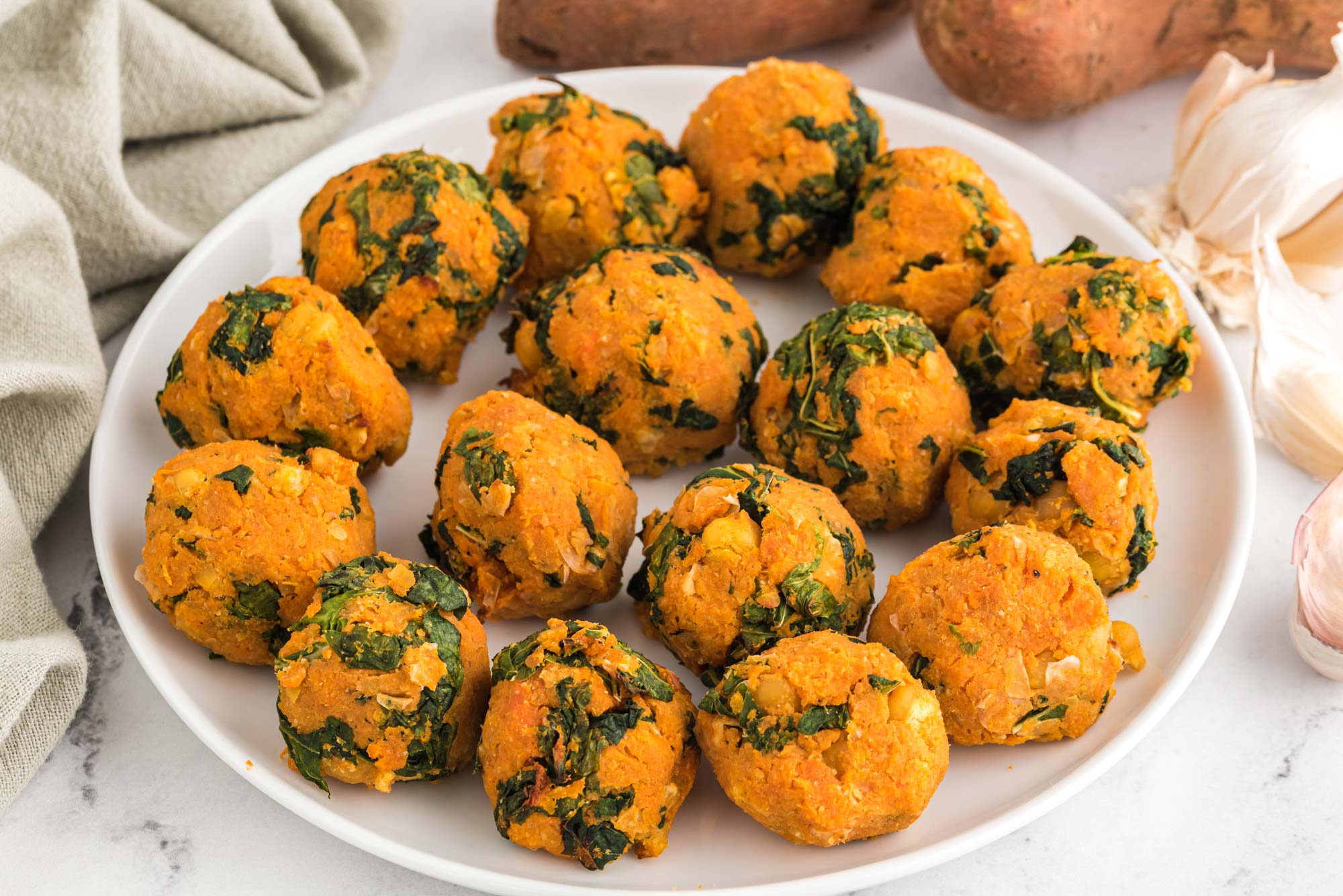
sweet potato kales bites on plate

Sweet Potato Kale Bites are a fun and delicious bite-sized way to enjoy creamy sweet potatoes. These protein-packed, fiber-rich bites make a satisfying and sustainable snack for one, a crunchy, colorful appetizer for party guests, or a tasty, healthy treat for kids! Crispy on the outside and soft on the inside, this festive bite is sure to be a crowd favorite.

3. Buckwheat Sweet Potato Chili
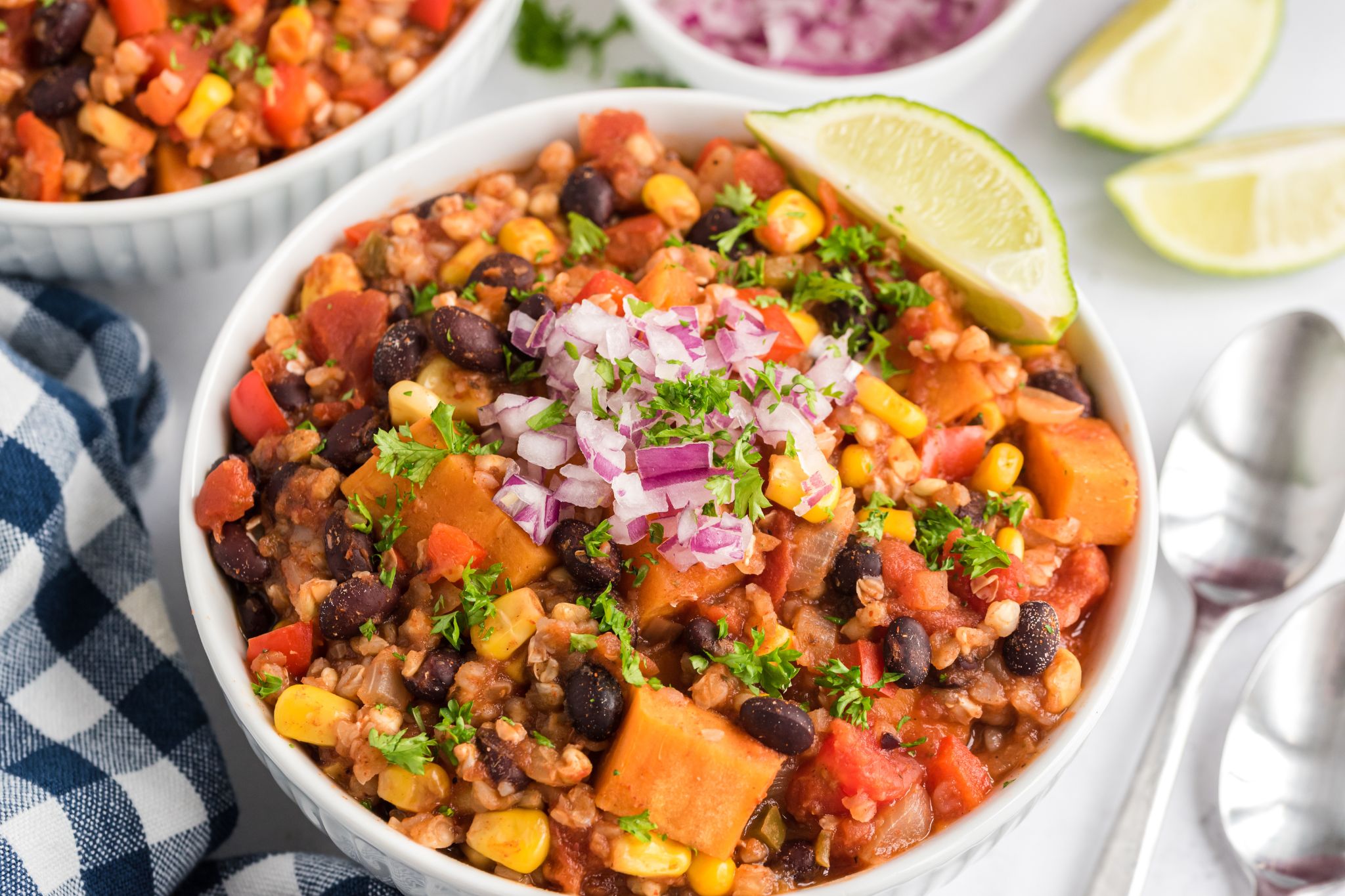
Buckwheat Sweet Potato Chili

Sweet potatoes are wonderfully versatile, with a delicate and sweet taste, they are an excellent addition to many savory (or sweet!) dishes, including our tasty Buckwheat Sweet Potato Chili! This chili is a comforting bowl of deliciousness that is packed with so much nutrition (and protein thanks to the buckwheat and black beans), and plenty of beta-carotene, B6, potassium, fiber, and vitamin C from the sweet potato. Together, buckwheat and sweet potato are a harmonious duo, so much so that you’ll be thinking up new ways to enjoy this delightful pairing again! 

4. Southwest Stuffed Sweet Potatoes

Southwest Stuffed Sweet Potatoes

Stuffed Sweet Potatoes reign supreme when it comes to a filling, delicious, and fun way to enjoy sweet potatoes! These naturally sweet orange vessels are power-packed with carotenes and fiber, plus space for a protein-packed and phytonutrient-rich black bean and sweet corn medley, delightfully creamy avocado, and flavorful herbs and spices. If you’re striving to center your nutrition around consuming nutrient-dense foods, this recipe certainly will help get you there!

5. Sweet Potato Pie Mousse

Unlock sweet potatoes’ naturally decadent side with this silky Sweet Potato Pie Mousse. Sweet potatoes, dates, and coconut milk come together to make a lightly sweet, whipped mousse with some autumn spice that will make you, your friends, and your family swoon. Double the recipe to make a scrumptious sweet potato pie filling!

Sweeten Your Health with Sweet Potatoes

Fiber, complex carbohydrates, vitamins, and minerals are essential for good health. And sweet potatoes are a fantastic way to add them to your diet. 

Many of us have ancestors who reaped their benefits for a very long time, and there’s certainly no need to stop now. Luckily, sweet potatoes are affordable, easy to use and store, and available in many parts of the world all year long. 

Sounds pretty sweet to me!

Tell us in the comments:

  • Did anything in this article surprise you?
  • Will you eat more sweet potatoes now?
  • What’s your favorite way to enjoy sweet potatoes?

Read Next: 

Featured Image: iStock.com/Diane Labombarbe

  • Definitely thinking about getting more of the purple sweet potatoes and leaving the skin on… But I do love them as fries. Should I air dry them?

  • How wonderful that you’ve been enjoying them all these years, Ken! Here’s to continued health! –Ina, Food Revolution Network Team

  • You are welcome, Chandra–so glad it resonated with you. –Ina, Food Revolution Network Team

  • I love sweet potatoes! (I’m a healthy 86yrs old). My mom served them often and when I have a choice I pick them over a white potato. Normally mine are baked and I merely cut them down the middle and add organic butter, and ALWAYS a eat the skins, always!

  • I’ll definitely be on the lookout for the Okinawan purples near me as well. Thank you, Karen! –Ina, Food Revolution Network Team

  • Glad you learned something new, Marc, and Happy New Year to you as well! –Ina, Food Revolution Network Team

  • Sweet potatoe article was great. I just learned that bananas r fairly high glycemic so I am going to switch to sweet potatoes smoothies instead. I’ve never had a problem with bananas but we must go through 10 of them a week but no more thanks Ocean. And happy new year to you and

  • I always knew that sweet potatoes were good for you, but it didn’t realize how good. Last year I was busy purchasing purple, sweet potato from Okinawa and they are extremely more flavourful than some of the other ones.
    Thank you for some great ideas in preparation. Great article.

  • I am surprised by how healthy sweet potatoes are since my main experience has been at Thanksgiving when they’re smothered in marshmallows. I will eat more and I’m having avocado sweet potato toast for breakfast tomorrow!

  • Love this article and learning about the health benefits.I made up a wonderful recipe for Thanksgiving using cranberries boiled in orange juice, plus cooked sweet potatoes and blended together with pieces of oranges. This along with some cinnamon, nutmeg, vanilla satisfies my sweet tooth. Add this to a graham cracker crust and you really get a healthy sweet dessert. I freeze extra bags of cranberries so I can make this throughout the year. Also I once often cook some and leave them in the fridge for a cold snack after a meal. The sweetness is perfect.

  • It’s amazing how sweet and lovely they can taste, isn’t it? Thanks for the comment, Shirley. –Ina, Food Revolution Network Team

  • Wonderful, Vicki, thank you so much for sharing this information. –Ina, Food Revolution Network Team

  • That’s great, Gayle! Keep us updated on any new favorites. –Ina, Food Revolution Network Team

  • Wow, Walt, this is amazing–I have passed your comment on to Ocean to make sure he sees it! –Ina, Food Revolution Network Team

  • Hi Karen! Just click on the title of each recipe to get the to the full recipe link 🙂 –Ina, Food Revolution Network Team

  • I’m glad they are helping a little, Betty. Sending you lots of healing and anti-inflammatory energy. –Ina, Food Revolution Network Team

  • You’re so welcome, Geraldine. I’m glad you’re already enjoying the purple variety regularly! –-Ina, Food Revolution Network Team

  • That’s fabulous, Tammy! Let us know what your favorite recipe turns out to be. -–Ina, Food Revolution Network Team

  • Excellent, ModFam– I’m happy you learned something new here 🙂 –Ina, Food Revolution Network Team

  • Thanks for the further info, Jennie! I’m sure lots of people will check out those recipes. –Ina, Food Revolution Network Team

  • Glad you got some new information here, Marti! –Ina, Food Revolution Network Team

  • That’s great, Alis–sometimes we just need a little motivation 🙂 –Ina, Food Revolution Network Team

  • Hi Roxy Dawg! My local grocery store does sell both, but usually only in the fall and winter. If you have a farmer’s market nearby that’s open into the fall, perhaps someone there would have real yams? Let us know if you find them! –Ina, Food Revolution Network Team

  • Hi Phyllis! Yes — cooking sweet potatoes in the air fryer is absolutely okay! It’s a convenient, lower-oil method that gives them a crispy texture while preserving nutrients like fiber, beta-carotene, and potassium. –Ina, Food Revolution Network Team

  • Hello Paula! Microwaving sweet potatoes is just fine. It’s actually a great, fast way to cook them while preserving many nutrients. Microwaving uses minimal water and shorter cooking times, which helps retain antioxidants and minerals, so I say go for it! –Ina, Food Revolution Network Team

  • It sounds like you are very well informed, and taking care of yourself beautifully, Priscilla. –Ina, Food Revolution Network Team

  • Hi Dorlene, It’s great to hear you’re enjoying sweet potatoes in new ways — they’re such a versatile and nourishing food! If you had an allergic reaction to purple sweet potatoes in the past, it could indicate a sensitivity to one of the unique compounds in that variety, such as the anthocyanins or specific proteins not found in orange or white types. Even though all sweet potatoes are in the same family, different pigments and phytonutrients can occasionally trigger distinct immune responses. If the reaction was mild, it may have been a sensitivity rather than a true allergy — but if it involved hives, swelling, or difficulty breathing, it’s best to avoid them and consult with a healthcare provider or allergist before trying them again. Your body was likely telling you to stick with the varieties that feel safest and most supportive for you. –Ina, Food Revolution Network Team

  • You’re welcome, Charlotte- and thank you for reading! –Ina, Food Revolution Network Team

  • Wonderful, Joan! I’m so glad you got some new information here. –Ina, Food Revolution Network Team

  • Hello Carol! That’s wonderful that you are enjoying them a few days a week! Microwaving sweet potatoes is not bad. It’s actually a quick and effective way to cook them while preserving many nutrients. Unlike boiling, which can leach water-soluble vitamins, microwaving uses minimal water and shorter cooking times, which helps retain antioxidants and minerals.

    Your habit of eating them with coconut oil and sea salt sounds delicious, though you may want to keep coconut oil portions fairly small since it’s high in saturated fat. A small amount can help with absorption of fat-soluble nutrients, but if you’re watching cholesterol or heart health, an oil like extra virgin olive might be a gentler option. Overall, your routine sounds nourishing and balanced. Keep enjoying them! –Ina, Food Revolution Network Team

  • Hi Dianne! Thanks for the lovely sentiments! Did you try the recipe? How did it turn out?

    Washing with water can help remove some surface pesticides and dirt, but it doesn’t always fully eliminate chemical residues, especially if the skin has absorbed anything. If you’re planning to eat the skin, it’s best to scrub it well with a vegetable brush under running water, or do a baking soda or salt wash. Choosing organic when possible can further reduce exposure to pesticides, especially since sweet potatoes are root vegetables and grown in direct contact with soil.

    Here’s an article that we published about washing veggies, if you’d like some further information: https://foodrevolution.org/blog/how-to-wash-vegetables-fruits/

    I hope that helps! –Ina, Food Revolution Network Team

  • That’s a great question, Miker! Purple sweet potatoes are especially rich in anthocyanins, powerful antioxidants linked to reduced inflammation and improved brain and heart health. While both orange and purple varieties are highly nutritious, the purple ones may offer added benefits due to their unique phytonutrient profile. So, yes, the purple ones are especially nutritious! –Ina, Food Revolution Network Team

  • What a lucky pup! Thank you for sharing this, Vicki. –Ina, Food Revolution Network Team

  • Sounds like you are sweet potato fan already! The ghost chips sound really cute 🙂 Thank you for being here! –Ina, Food Revolution Network Team

  • I absolutely loved this article!💗🙏🏻 I’m a reader of all things holistic and natural. Though I’ve never been a huge fan of sweet potatoes, with your generous recipe ideas, and nutritional information, they will be incorporated more for sure into our whole food plant based diet going forward.
    Thank you so much!

  • I already enjoy eating purple sweet potatoes on a regular basis. This article inspired me to do so even more and in new ways. Thank you, Ocean!

  • Dennis
    If you learn about the soil types, it would be great to hear more from you here about that!

  • Hi Ocean, now we’re gonna be sampling sweet potato garlic in the fields at Gilroy. Sweet potato ice cream sounds good too. Thanks for writing this.
    You grew up in British Columbia? I lived a few blocks from your mom and dad in Ben Lomond right around the time you were born. Worked at EarthSave for awhile on Frederick St. Didn’t know you guys ever left town.

  • I am going to try the sweet potato pie mouse.
    I really like Dreena Burton’s sweet potato chocolate mouse and her chocolate cake.
    Thanks for the recipe for the sppm

  • GREAT article – but you missed one huge benefit: they’re photo-estrogens! I’m deathly allergic to soy so can’t take most prescription drugs with estrogen (because, more often than not, the pharmaceutical companies are using soy/soybean). From the web:
    Yes, sweet potatoes contain phytoestrogens (plant compounds with weak estrogen-like effects) and nutrients like beta-carotene that support overall hormone balance, helping regulate estrogen, progesterone, and blood sugar, which contributes to hormonal health, especially during menopause or for general wellness. They aren’t hormones themselves but provide plant compounds that interact with the body’s hormonal systems, acting as beneficial phytochemicals. Cheers, Suze

  • Thanks for the reminder to eat more of these wonderful tubers! And you have inspired me to grow them more often so that I can try more varieties.

  • I just made a comment on growing them in zone 6 b. I’m sure it would be the same where you’re at. Let me know if you have questions. I wish I could post a picture of my 2025 harvest.

  • Great info, thank you! Sweet potatoes are super easy to grow. I live in zone 6b and I start mine in February. Simply put tooth picks in one so it can be suspended in water – I use a 12 oz ball jar. It takes 6 weeks or so but ‘slips’ will start to sprout from the sides. When a slip is about 3”, cut it off right at the potato and suspend it in the water so it will grow roots. When it has roots it’s ready to go outside as long as there is no risk of frost. Make sure you harden them off, I put a clay pot over them to slowly get them used to the sun. I grow all mine in pots or felt bags. I grew both dark orange and purple ones this past season and am enjoying them now.

    Do it!!

  • I believe this morning glory root is an an amazing report. Today was the first time I saw a caramelized sweet potato. Absolutely delicious!

  • It is very interesting, isn’t it? Glad you got some new information here! –Ina, Food Revolution Network Team

  • I enjoyed reading about sweet potatoes and I do enjoy learning more about them.
    I though have enjoyed eating them raw. I was or do peel them and slice them on with my handheld mandoli1Ine. I haven’t had any of the results you mentioned so wondered if peeling them helped with not having digestive problems mentioned. I eat them like eating chips. But my faviorite way is slicing multiple vegetables thinly and making vegetable sandwiches. Like the crunch of them all.
    Also if sliced with with a regular mandoline and not the hand held ones I can make them thicker and use them with a homemade dip.
    Thanks for the information.

  • Sliced in a casserole dish with a little garlic salt, pepper, drizzle of olive oil, sprinkled with ground cinnamon! Delicious!

  • I enjoy sweet potatoes more than regular potatoes. Thank u for the lovely ideas on serving. Often I cut them into 2 cm pcs, boil them in water with a handful of mung beans or red beans. When done, I add oat milk or soy milk and have it for afternoon tea or desert.

  • You’re welcome, Mary–I hope you get to try a Yam soon 🙂 –Ina, Food Revolution Network Team

  • Hello Sharesa! Thank you so much for posting this–your recipe sounds absolutely incredible! I hope others will take advantage of your idea. (I think I will too:)) –Ina, Food Revolution Network Team

  • Hi Susan! Thanks for this great follow‑up question about sweet potatoes and roasting.

    Roasting sweet potatoes is totally fine and in fact a wonderful way to prepare them. The concern some people have about “too hot” really comes from how high‑temperature cooking can create chemical changes in starches, but roasting at moderate oven temperatures does not make sweet potatoes unhealthy. Roasted sweet potatoes still retain their fiber, vitamins, and minerals, and the caramelized flavor and texture you get from roasting can make them easier to enjoy and include in meals. Many people roast them, cool them, and use them over several days in bowls, salads, or reheated meals without any issue — and this pattern can actually be beneficial, because cooling cooked starchy vegetables increases their resistant starch, which supports better blood sugar balance and gut health.

    So there’s no need to reconsider roasting unless you personally notice digestive or blood glucose responses you’re not comfortable with. Overall, roasting sweet potatoes as you’re doing is a nutritious, whole‑food way to enjoy them regularly. –Ina, Food Revolution Network Team

  • After reading the article I’m on my way to the kitchen to cook up a few sweet potatoes.
    I have orange, purple, and white. I think a few purple and an orange will be yummy.

  • I LOVE the old Popeye the Sailor Man reference: ‘I yam what I yam’, a definite blast from the distant past!! VERY distant past!!

  • I want to grow sweet potatoes. I live in coastal Oregon and previous as attempts yielded skinny little bodies. I purchased slips and raised them in my greenhouse in “muck buckets” with drainage, harvested when the foliage died Suggestions?

  • Thanks for this detailed article. Sweet Potatoes are one of my favorites and I experienced first hand in Okinawa while serving in the military years ago. Simplicity at its best!

  • Thoroughly enjoyed the article on Sweet potatoes. I am a regular consumer. I am dealing with a horrible case of IBS and this is my go to food.

  • Herzlichen Dank für die vielen nützlichen Informationen
    zur Erweiterung meiner gesunden Ernährung***********

  • Thanks for your recipe. I would enjoy that breakfast. Although, personally I would just cube the sweet potato then add all the other ingredients to a bowl. (I’d prefer that texture to the blended and apparently it’s better if we keep the fibre as intact as possible)I like to add cinnamon too as it is supposed to help control blood sugar.

  • The complete recipes can be accessed by clicking on the recipe title which are blue, indicating that they are a link

  • one of my favorite ways to eat Sweet Potato is to scrub and bake, skin on, slice and crosscut into bite size pieces and top with “Creamy Coconut Curry Lentils with Spinach” recipe by budgetbytes.com. I usually enjoy this recipe at least a couple of times a week! I generally buy a half dozen medium sweet potatoes on my biweekly grocery trips.

  • Hi Ocean, this is so insightful, thank you! We appreciated what you and team do at Food Revolution Network. Compliments of the New Year!

  • Love love love this. I eat sweet potatos all the time! Can’t eat nightshades. Thank you for sharing your plethora of knowledge!

  • I love sweet potatoes. I have some cooked purple sweet potatoes in my fridge right now. This article did inspire me to eat more sweet potatoes.

  • What a great article!! I will be eating more sweet potatoes and trying some of the yummy looking recipes! Thank you!,

  • Dee, I also microwave them, then bake.in the toaster oven for 10-20 minutes ( depends on whatever else.I’m cooking) – tastes more.carmelized!

  • I love sweet potatoes. Now I plan to eat more of them. The recipes look good. Are there complete recipes somewhere?

  • As always, when someone lists the vitamins in a whole food, I wonder if that is BEFORE cooking or AFTER. Many vitamins are lost in cooking, especially water soluble ones like Vit C, which is mostly destroyed in cooking. I would really like to know how that applies to sweet potatoes.

  • Loved this article and sweet potatoes. Thank you.
    I microwave my sweet potatoes. The article did not mention that as a way to prepare them.

    Dee

  • Great article Ocean! Thanks for putting so much work into making it so light-hearted. Really appreciate it.

    I love sweet potatoes and they have many here in Taiwan. I love them even more now that I’ve read this article. I’m interested in trying to make them 60% of my diet, just like the Okinawans!

  • Love to bake and have in the fridge to eat or build a salad plate.
    Love the purple ones

  • I love sweet potatoes, did not know it has so many health benefits especially the skin. Here’s to more sweet potatoes.

  • Growing bags are it. Get some good compost and manure. You can get the “slips” from a company in N.C. just search for them. Got to be purplesweet potatoes. We had a lot of trouble getting them going the 1st year. We now produce our own slips from our own potatoes and have excellent results. Go to you tube and look up “Garden like a viking”, Nate has so much good info. He also has a website of the same name.

  • We like baked sweet potatoes cut in half, add a tsp. of butter and fluff with a fork. Chop up some fresh peeled ginger root say 1 Tablespoon and keep ready. Now add 1/2 cup plain Greek yogurt to the sweet and top with the ginger. Sprinkle with allspice if desired.

  • Do you recommend microwaving sweet potatoes on the “potato” setting? I do this often when I have little time for baking.

  • Thanks for a great article. I appreciate the puns!
    I am confused about the purple sweet potatoes. At the co-op there are Japanese purple sweet potatoes, purple on the outside and white inside. I never ate them as white seems nutritionally inferior to color. But there are also purple sweet potatoes that are purple inside?
    Fascinating to learn so many varieties, just like potatoes and apples.
    I like to only wash them, slice into fry shape, no oil or coating. Put them in the oven with convection on to help keep the outside crisp as the inside gets soft and sugary. Then dip in humus, tahini, or tzatziki dip. Will be excited to try recipes.

  • This article makes me soo happy as I love them…. much I wasn’t aware of. Thank you very much !🙏🎈💃🕺🙌…
    p.s. I received this via e-mail !🤗

  • I appreciate the level you went on this article. I am interested in trying some of the recipes. I have replaced russet potatoes with sweet potatoes almost completely as the nightshade plants have aggravated my arthritis

  • Fabulous information Ocean! We’ll treat ourselves to the recipes!
    2 Questions:
    — is juicing raw sweet potatoes recommended? (Add to Kale, lemon, apple, etc.)
    — are sweet potato fries a good alternative to regular French fries IF I make the sweet potato fries in my air fryer with just a light spray of olive oil or avocado oil?
    Thx!!

  • I’ve grown sweet potatoes in grow-bags before, and it’s incredibly easy.
    this article has inspired me to get them out again.

  • Thank you Ocean. I love the education you provide on so many easily available foods. This is amazing and on my menu for tomorrow. Looking forward to trying some of the recipes posted as well. Happy Healthy New Year!

  • I love sweet potatoes. We eat them many times a week.
    Thank you for an interesting article. I had no idea that there were so many ddifferent types.

  • Sweet potato pudding:
    Chop up sweet potatoes, peeled , or unpeeled and boil them until somewhat soft.
    Put them in a blender with tahini and various spices such as cardamom, ginger, cinnamon, etc.
    Add a little Stevia if you want, but it’s not really necessary
    Blend these ingredients until you have a creamy consistency.
    Store in a glass jar in the fridge, then eat a cold or warmed up.
    Option: instead of boiling them in plain water use peppermint tea, or use some coconut milk

  • I love sweet potatoes, didn’t know about all the varieties. I always thought the reddish meat ones were yams. What floored me was when you talked about 57,000,000 years. According to the Bible the world is about 2-6,000 years old if I remember correctly. Otherwise i enjoyed the read & will continue to love sweet potatoes regardless of there age!! Our dogs get them in there diet daily.

  • Thank you for sweet potato insights! I’ve been growing purple sweet potatoes for a few years now so I usually have an abundance. I’m glad to learn of their many benefits—though one key point is that the leaves are also edible and terrific in salads or added to water bottles during dry spells as they are very mucilaginous. Excellent research work!!!!

  • As a reply to all the questions about microwaving a sweet potato it actually is a better way to go. Microwaving retains more of the nutrients of the sweet potato. Also, it retains more of the nutrients in the skin of the sweet potato. Baking a sweet potato actually could cause 80% loss of the beta carotene. So, microwaving a sweet potato, retains more of the antioxidant nutrition of the potato.
    Hope that helps.

  • Hi Jennie, I’ve never heard of sweet potato ice cream, would you mind sharing the recipe for the ice cream please?

  • Love this article and the recipes sound amazing! We’ve learned over the last few years from naturopathic doctors that Vitamin A in sweet potatoes and carrots is a natural defense food against measles and other “viruses” for children. Nice to have additional ways to incorporate them.

  • Love this article. I learned a great deal that I didn’t previously know about sweet potatoes. I’m going to look for purple ones and enjoy cooking and eating them.

  • Thank you for this wonderful article. I am excited to incorporate more sweet potato into my diet. Blessings!

  • Absolutely love this God-given uncomplicated food. Eat every day cooked with a little avo oil and two eggs, Almost feels like a complete setup for the day, Great recipes, am going to try each and every one. Am persuading my organic farmer to go big on the planting to replace our indigenous people’s reliance on GMO maize which was foisted on us.

  • thank you my father loved sweet potato from childhood ate them with every meal lived to 98!!

  • Wow! Thank You for the plethora of sweet information. I know they are good for us but much new info for me! I love potatoes and grow them but will grow more sweet glories this year. 🙂

  • Love my sweet potatoes and have also had the purple as well as white that I get at a local Asian market. I especially appreciate your knowledge on the skins as I plan to eat them now as well.

  • What a great article, thank you Ocean. I love sweet potatoes and eat them with most of my meals. I love roasting them and making them into either ice cream or mousse the best. Broccoli Mum, on social media, has the best sweet potato ice cream recipe I’ve tasted (and another delicious ice cream made with corn!) Happy eating 🌱

  • How informative! I have inaccurately
    ..been calling the garnet variety yams forever. Thanks for the correction!

  • I’m in a CSA and get lots of sweet potatoes this time of year, so this article was great motivation for eating them in abundance vs giving them away or feeding them to the composting bin. I never realized what nutritional powerhouses they were.

  • So basically in the USA we have potatoes and sweet potatoes and not yams unless we go to a specialty shop. I thought that garnets were yams, they were always labelled as such. So I have probably never had a yam.

  • Am I correct in assuming that you don’t advocate cooking them in the microwave?
    So easy for lunch!

  • You mentioned propagating sw. potatoes with cuttings….a great way to start the next crop. Google how. Poor soil works best otherwise mostly greens will grow. Harvest the greens: young for salads, larger cooked. It will also encourage more root growth. Again, google. Makes a pretty houseplant too. Lots of fun!

  • I can have sweet potatoes either baked or steamed, but as a Type 2Diabetic I have to be careful of many variables, I try to eat 4 servings of vegetables including cruciferous ones. I also try to eat fresh fruit each day and spread the glycemic load. My Doc also wants me to have some fish for omega 3 rather than ground flax, chia, pumpkin seed . So I rotate options!

  • Yes, I’m very excited about trying new ways to eat sweet potatoes. Have a small container with some left overs!
    And, once upon a time I tried the purple ones. And, had an allergic reaction. What does that indicate?
    I don’t generally get food reactions.
    Thank you for sharing your amazing body of knowledge!
    Happy New Year!

  • Best article ever! Eat sweet potatoes often. Keep them cooked in the fridge for easy access. Love them cut in half in the air fryer.. just had one today with a delish salad. Thank you for all the information.

  • Always wondered about the yam/sweet potato difference and appreciate the clarification. Had no idea they were so nutritious and plan to try to make them , at the least every other week. Definitely trying the recipes!

  • So glad to know deep frying sweet potatoes is not recommended if you have cancer. I was eating sweet potato fries instead of regular fries thinking it was a healthier choice. I have stage 4 ovarian cancer… no more sweet potato fries for me!

  • Is microwaving them bad? I eat two or three sweet potatoes a week with coconut oil and sea salt.

  • Thank you for sharing great recipes! I love sweet potato’s and always make sure I have them around. Bring them to add to my lunch and also are great for a very light dinner.

  • My favourite is a sweet potato dip made with cooked mashed sweet potatoes, dijon mustard, dried basil, salt, pepper and then topped with toasted walnuts and sliced black olives. Pretty and tasty with crackers and/or chips.

  • Thank you for the information on sweet potatoes!! I learned about Magnesium and Vitamin A as essential parts of your diet and they’re both in the sweet potato.
    I’ll be trying the recipes in the article and glad I opened up the email

  • Thank you kindly for this article. You’ve convinced me to start adding sweet potatoes to my diet!

  • Loved this article, so much good information, and Ocean, your sense of humour makes it so fun. My sweet taters are baking in the oven right now, I’m going to try the southwest stuffed recipe. Cant wait to try the purple ones. Do pesticides or any other chemicals come off when they’re washed? I wondered if eating the skin requires any special cleaning first. Thanks very much
    ~ Dianne

  • I was surprised that sweet potatoes were related to Morning Glories and only distantly related to potatoes. Also that the way you cook a sweet potato affects its glycemic load. Interesting article.

  • I’m a longtime vegan who has eaten sweet potatoes regularly for years, recently mostly purple ones, having read that they were even more healthful. Is that true?

  • We love sweet potatoes in our house. Baked fries, cornbread, cake, scones, mash, casseroles and so on. My favorite simple way is to bake and top with maple cream. For Halloween I made sweet potato ghost chips…adorable and tasty!

  • Great article about sweet potatoes! I love them! I also give my dog 2 tsp of cooked sweet potatoes every day, as a food topper, for her digestion. She loves them.
    After reading this I think I will keep more sweet potatoes on hand for me.

  • I’ve occasionally wondered about the difference between a yam and sweet potato. Now I realize I’ve never actually eaten a yam!
    I eat sweet potatoes once or twice a month and I usually steam them. I do plan to eat them more often now after reading the health benefits and I’ll try some of your recipes. Thank you!

  • I do love sweet potatoes. I will have to try preparing them more creatively as suggested in this article. Thank you for the nutritional information – makes eating them all the more enjoyable!

  • I love this! I eat sweet potatos almost daily. Thanks for the sweet potato avocado toast recipe!
    I make a cream of sweet potato breakfast bowl. I don’t eat much grain, so during the winter months when it is too cold to juice much, I make sweet potatoes for breakfast! Just steam them up, put them in the blender with plant-based milk of choice, some coconut chips, raisins, cinnamon, and maple syrup or half a banana, blend it up, transfer to a saucepan, and heat add blueberries, optional nuts or seeds, and it is a fantastic breakfast. It is filling, healthy, fuel and just yummie! I add some sprouted pumkin protein powder as well.

  • Wonderful article full of facts and passion. Question: You didn’t mention “Roasting”. Is that OK or too hot for the tubers?. Most every week, I cube them, roast them and use them for several days in bowls. Should I reconsider this?

  • Thank you for sharing this with us, Aniceta! I’m very glad you found this article valuable. –Ina, Food Revolution Network Team

  • I grow and eat sweet potatoes as part of my staple diet since I was a child but I did not realized that sweet potato is a valued super food.I belong from a farming family in the Philippines and we treated it as ordinary and not a high value crop. Now that I learned it’s health benefits, I will start to produce it as a high value crops.
    Thank you Mr. Robbins for sharing your treasured experience regarding sweet potatoes. Also thank you for sharing your sweet potatoes recipes….

  • Very well presented. Every quote was awesome and thanks for sharing the content. Keep sharing and keep motivating others.

  • >