
Chickpeas have shaken off their humble, unassuming vibe and are taking the world by storm. Whole Foods Market noticed early and named them a top food trend in 2021. And years later, these round little beans continue to dazzle us with their versatility, showing up in hearty stews, savory spreads, and even cookie dough recipes. (Keep reading to the end for a healthy one devised by our very own dietitian and recipe developer, Nichole!)
In promotional language rivaling that of movie studios promoting their Oscar nominees, chickpeas have been called “a prince among pulses” and even “the new cauliflower,” indicating that they’ve gone from back-of-the-pantry to kitchen staple status. One of their top qualities is their relatively neutral taste, which makes them a versatile base for many products and recipes.
If your relationship with chickpeas has been limited by viewing them solely as a bean, I hope this article and its accompanying recipes will open your eyes to their near-endless possibilities. So let’s get into it. What are the benefits of chickpeas? Are there any downsides to eating them? And what are some creative ways to use chickpeas?
What Are Chickpeas?
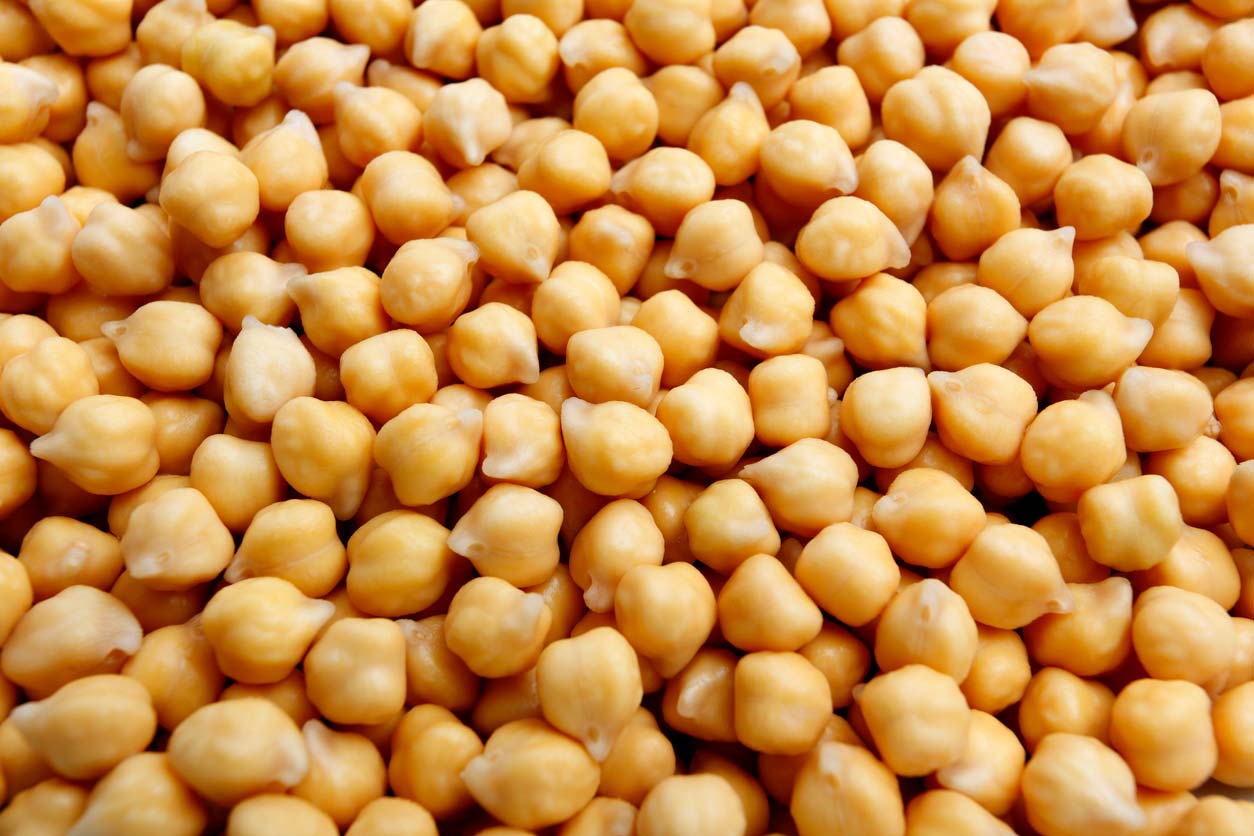
Chickpeas are legumes, like peas, lentils, and other beans. They’re also called garbanzos, which sounds like the name of a clown or a faithful squire in a novel from the Golden Age of Spain. In many English-speaking countries, the terms are used interchangeably (chickpea and garbanzo, not clown and squire).
Some Italian brands of canned chickpeas I’ve seen on supermarket shelves call them “ceci,” which comes from the Latin word for the bean: cicer. Apparently, the Roman orator Cicero got his name from an ancestor who had a cleft at the end of his nose that resembled a chickpea, which is a fact I’m betting you weren’t expecting to learn today.
In Hindi and Gujarati, chickpeas are known as chana; if you’re at an Indian restaurant and have a hankering for chickpea curry, look for chana masala on the menu.
Chickpeas are also common in many African and Middle Eastern cuisines, where they’re sometimes known as Egyptian peas. Geographically speaking, this isn’t a bad guess: The original plant likely originated in what is now southeastern Turkey or northern Syria — just around the corner from Egypt.
Chickpea is the world’s second most widely grown legume (the soybean takes top honors, and I don’t have good statistics for jelly beans). While archaeobotanists like to argue about which crops were the big stars in the birth of agriculture in the Fertile Crescent, most consider the chickpea one of the eight founder crops, along with ancient varieties of wheat, barley, flaxseeds, and lentils.
Although the chickpea you most commonly find in stores is tan or beige, there are also yellow, red, dark green, and brown varieties.
Chickpea Nutrition
Chickpeas, like other legumes, are among the most nutritious foods on the planet. They’re a healthy source of fiber, plant-based protein, and a number of vitamins and minerals.
A one-cup serving of cooked chickpeas boasts the following basic nutritional profile:
- 269 calories
- 14.5 grams of protein
- 12.5 grams of fiber
- 49 grams of carbohydrates
- 73% of the Daily Value (DV) for manganese
- 64% DV for copper
- 71% DV for folate
- 26% DV for iron
- 19% DV for magnesium
- 16% DV for thiamin (B1)
Wow — check out the impressive stats for a bunch of essential minerals — copper, iron, and magnesium — in just one cup of chickpeas. They’re also a good source of B vitamins (especially folate and thiamin), which are important for metabolism, tissue health, and disease prevention.
The Health Benefits of Chickpeas
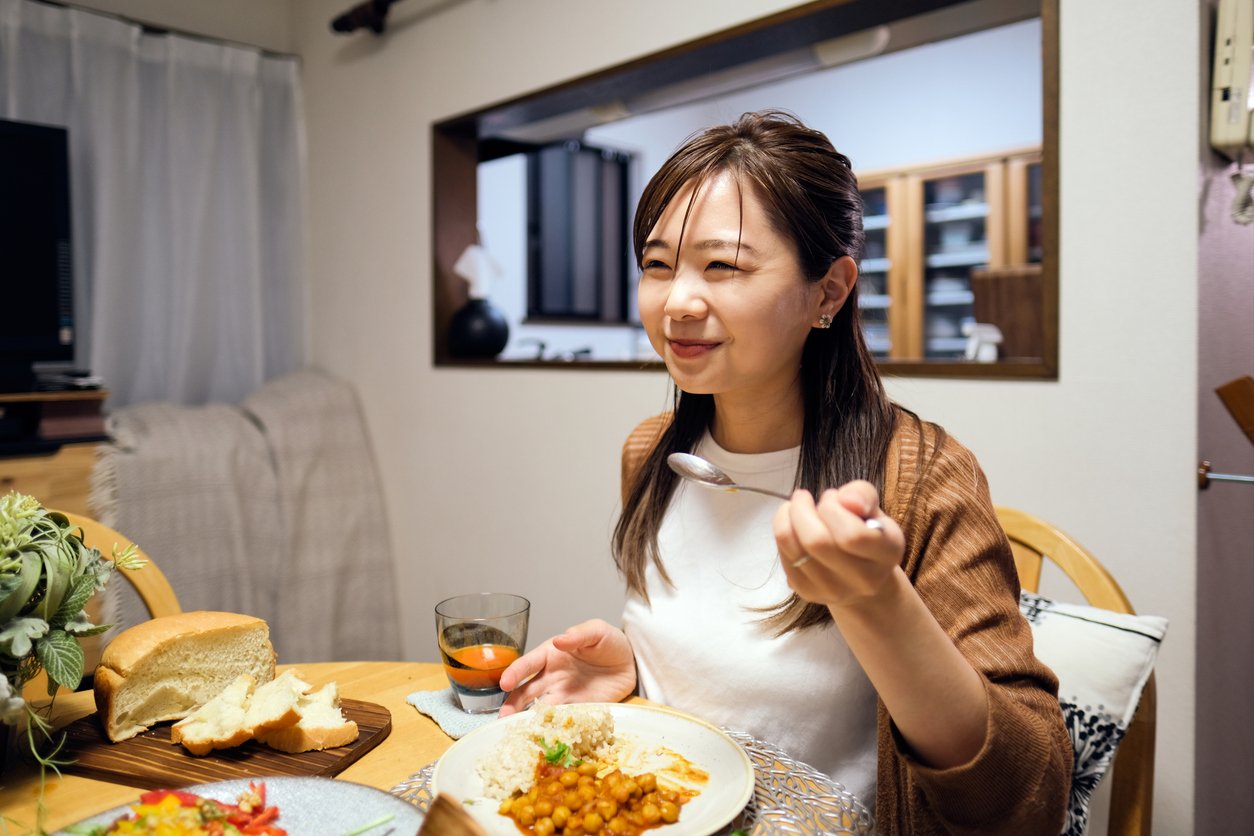
OK, so chickpeas are a great source of a bunch of nutrients. Is there evidence that eating them can benefit your health?
Indeed, research shows that eating garbanzo beans — including the hummus you can make from them — is associated with a number of health benefits, including a lower risk of various diseases and improved overall nutritional status.
1. Chickpeas and Cancer
Beans are the first “B” in the acronym G-BOMBS (the second B is for berries, which are also great, but not the star of this article), coined by my friend and colleague Dr. Joel Fuhrman. G-BOMBS (Greens, Beans, Onions, Mushrooms, Berries, Seeds) names some of the best anticancer and health-promoting foods on the planet, and the mnemonic encourages you to incorporate them into your diet on a daily basis.
Beans like chickpeas are a rich source of nutrient-dense carbohydrates that digest slowly, helping stabilize blood sugar. They contain high levels of fiber and resistant starch, which the bacteria in your intestines ferment, creating cancer-preventing fatty acids in the process.
Those fatty acids help generate an intestinal environment inhospitable to cancer growth. In fact, including chickpeas and other legumes at least twice per week may cut your risk for colon cancer in half!
The anticancer potential of chickpeas goes deeper than fiber alone; there appears to be something special about chickpea proteins as well. A 2023 review published in Frontiers in Nutrition found that bioactive peptides derived from those proteins do a bunch of useful things in the body that help fight cancer.
How do you get a hold of these peptides? It’s easy — they’re produced when chickpea protein is broken down, which happens both during cooking and digestion. That’s right — your bowl of chana masala or tub of hummus is a veritable natural pharmacy ready to deliver goodness to your cells. The emerging science suggests that chickpeas work on multiple fronts to support your body’s natural defenses against cancer — a compelling reason to make them a regular feature on your plate.
2. Are Chickpeas Good for Your Heart?
A 2015 study found that legumes like chickpeas can help prevent and manage several health conditions.
For example, a high intake of legumes is associated with a lower risk of high blood pressure, heart disease, stroke, and type 2 diabetes. And eating beans like chickpeas may help lower blood fats, like LDL “bad” cholesterol, which are known to raise your risk of developing heart disease.
A 2024 systematic review and meta-analysis of randomized controlled trials found that proteins taken from various pulses significantly decreased LDL cholesterol. The authors recommended using these pulses to prevent and manage cardiovascular disease.
3. Metabolic Benefits of Chickpeas
Eating chickpeas may also make you less likely to develop metabolic syndrome. This describes a group of harmful conditions associated with type 2 diabetes and heart disease.
According to a 2020 study published in Applied Sciences, which examined data from the National Health and Nutrition Examination Survey (2005–2016), adults who regularly ate chickpeas and hummus were, respectively, 48% and 62% less likely to have metabolic syndrome.
When combined with high glycemic foods, chickpeas can help reduce the overall glycemic load of the whole meal of which they’re a part. Because of their high fiber content, they can help slow the rise in blood sugar and insulin response.
One study found that adding chickpeas to white rice at a meal significantly reduced the glycemic response compared to eating white rice alone.
4. Chickpeas and Weight Loss
Eating beans has also been found to help keep you feeling fuller, which can prevent overeating and unwanted weight gain. Consuming beans like chickpeas is also associated with lower body weight, smaller waist circumference, and a reduced risk of obesity in epidemiologic studies.
A 2024 review that examined 30 clinical and observational studies, including randomized controlled trials and cohort studies, found consistent evidence that pulse consumption, including chickpeas, supports a range of positive health outcomes. The review reinforces what earlier research has long suggested. The combination of high fiber, plant-based protein, and a low glycemic index makes chickpeas one of the more effective whole foods for managing appetite and supporting healthy body weight over time.
5. Are Chickpeas Good for Your Gut?
We’ve seen that garbanzo bean fiber can feed your gut bacteria, which ferment it into health-promoting fatty acids. These and other fermentation byproducts can also contribute to improved digestive health.
Legume consumption is associated with better bowel regularity and a lower incidence of constipation. Plus, chickpeas may help reduce inflammation in the GI tract.
A 2018 animal study (our view on animals in medical research is here) found that supplementing the diet of mice with 20% cooked chickpea flour for 3 weeks before being induced with an inflammatory colon condition reduced inflammatory biomarkers compared with mice not given the chickpea supplement. (Of course, it would be nice if humans could just give the mice chickpeas, without having to give them a disease, too.)
A 2024 review confirmed that chickpeas support gut health by improving intestinal integrity and serving as an energy source for the gut microbiota, and provided additional evidence for the beans’ anti-cancer, anti-inflammatory, and antioxidant activities.
Downsides To Eating Chickpeas
If you’re new to chickpeas, there are a few things to take into account before you make them a dietary staple.
Gas from Garbanzo Beans
Like any bean, some people may take time to adjust to the fiber content in garbanzos. If you’re not used to eating a lot of fiber-rich foods in your diet — like raw fruits and vegetables, whole grains, nuts, seeds, and other legumes — chickpeas may cause digestive symptoms like increased gas, abdominal cramps, or bloating.
However, one study suggests that consumer perception of the link between eating beans and unwanted gas may be exaggerated. (Sadly, the published study, soberly titled “Perceptions of flatulence from bean consumption among adults in 3 feeding studies,” did not reference the ditty that starts with “Beans, beans, the musical fruit” — possibly because accurate attribution of authorship may be impossible to ascertain.)
To minimize gas while eating chickpeas, start with a small number of beans and increase your intake slowly. Be sure to drink plenty of water for smoother digestion.
What About Antinutrients?
Chickpeas, like other beans, contain phytates and lectins, which have been the subject of some nutritional controversy. Phytates have been dubbed “antinutrients” because they can inhibit the absorption of certain micronutrients when eaten around the same time.
The so-called antinutrients bind to certain essential minerals, including iron, calcium, zinc, and magnesium, which can make those minerals harder for your body to access and metabolize. This sounds like a bummer, but it’s been made out to be more alarming than it actually is for most people.
Phytates and lectins seem to be most problematic when consumed in raw form. But last I checked, most of us aren’t sitting down to eat a bowl full of uncooked garbanzos. (If you are, I suspect your dentist would like a word with you!)
You can significantly reduce the phytate and lectin content of legumes simply by cooking them. If you choose to cook chickpeas in their dry form, soaking them will reduce phytates and increase the bioavailability of some of their nutrients. It’s ideal to soak beans for 24-48 hours, rinsing twice daily, before cooking.
Sprouting and fermenting also help neutralize phytates and lectins and increase mineral availability. Since canned chickpeas are pre-cooked, they will naturally have a lower phytate content as well.
Since garbanzos are not eaten raw (unless sprouted, and even then, I’d recommend cooking them), most of the phytates are destroyed before they hit your plate. Even so, if you’re still worried about their effects, eating chickpeas with foods rich in vitamin C (which tends to support nutrient absorption) can help make sure you’re absorbing the vitamins and minerals you need.
Chickpea Allergy
While not as commonly heard about as peanut or dairy allergies, chickpea allergies can occur. This is more likely if there is already an allergy to other legumes, especially lentils and peas.
The most frequent reaction to chickpeas is hives or other skin reactions. If you suspect you have a chickpea allergy or have been diagnosed with one, it’s best to avoid chickpeas and products made with them.
Glyphosate in Chickpeas
Glyphosate, an herbicide manufactured by Bayer and the primary active ingredient in the controversial Roundup, is sprayed on crops such as wheat, chickpeas, and other legumes as a desiccant to speed up harvesting. Glyphosate is widely considered an endocrine disruptor and a probable carcinogen. It’s also been patented as an antibiotic. Because of this, some caution may be warranted when consuming large amounts of conventionally grown chickpeas and products made with them, including hummus and chickpea pasta.
Fortunately, organic foods cannot be sprayed with glyphosate. While they, like most foods today, could still contain minuscule amounts due to cross-contamination, levels are much lower.
What should you do to avoid glyphosate exposure? Try to choose chickpeas and hummus that are lower in glyphosate or have non-detectable amounts according to the EWG test results table. Or just go organic!
Are Chickpeas Sustainable?
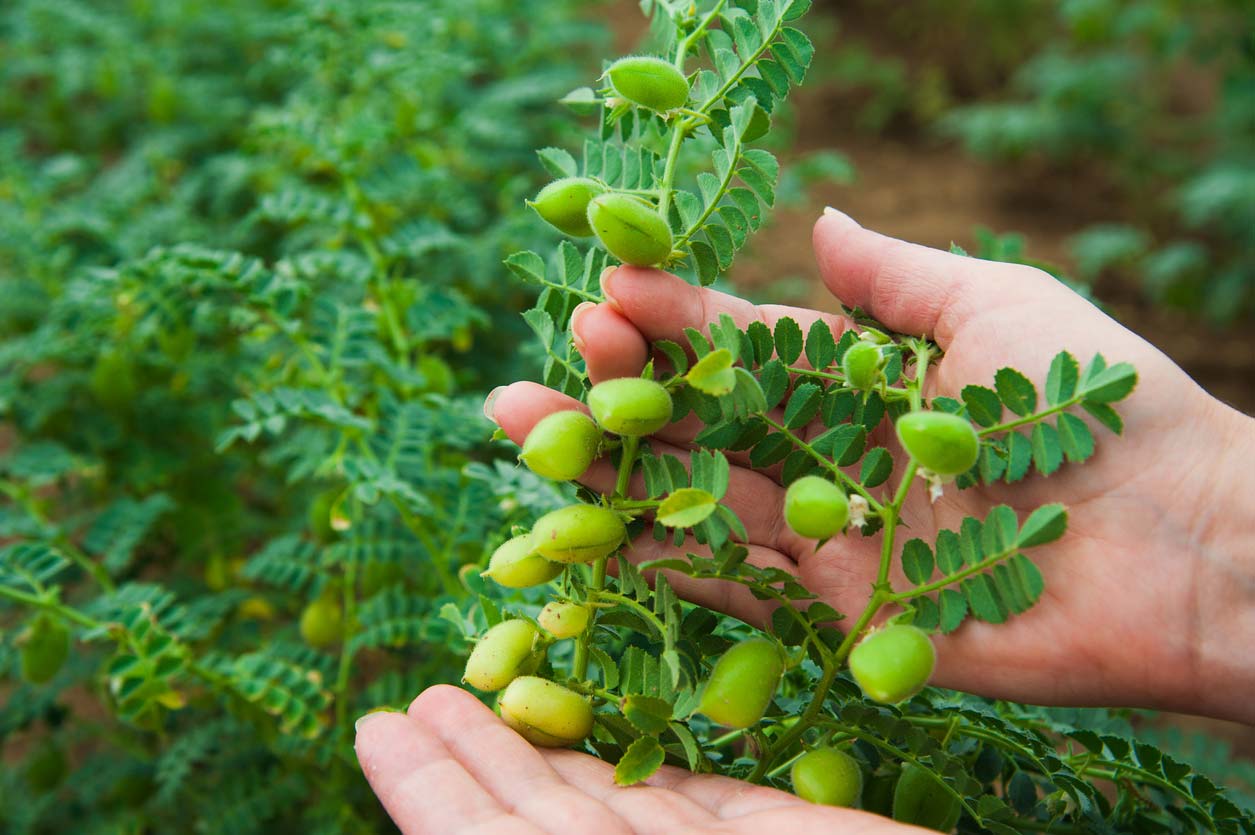
One of the biggest questions that many eco-conscious consumers have about popular foods is whether they’re sustainable. I’m happy to report that, when it comes to chickpeas, the answer is a solid yes.
Chickpeas can help restore soil, and, if they’re well managed, even sequester carbon from the atmosphere. (Basically, that means taking carbon out of the air and containing it in organic matter in the soil, where it doesn’t negatively affect the climate.) Like all legumes, garbanzo beans also leave behind extra nitrogen in the soil they’re grown in. This benefits the crops planted in those beds in the future and reduces the need for fertilizer.
Researchers from Trinity College Dublin deem chickpea pasta a more sustainable alternative to pastas and grain products made from wheat. And they appear to be healthier for the consumer, too. The chickpea alternative was found to contain one and a half times more protein and over three times more fiber than durum wheat pasta.
Chickpea Foods and Products

Chickpeas in their whole-bean form come dry or canned. Stored in a cool, dark place, dried chickpeas will keep for at least a year. The use-by date for canned beans typically gives you a couple of years after purchase, so both are excellent options for pantry staples.
With the popularity of chickpeas soaring, food companies have jumped on the bandwagon to offer a wide array of new chickpea products. Wheat-free chickpea pastas, including shapes such as rotini and penne, are showing up on supermarket shelves. Roasted seasoned chickpeas, chickpea puffs, and chips are also now regulars in the snack aisle.
Chickpea flour is a gluten-free option you may already be able to find in the baking aisle.
And that old staple, hummus (along with other chickpea-based dips), continues to sell well, with new varieties and flavor profiles coming to market all the time.
How To Use Chickpeas
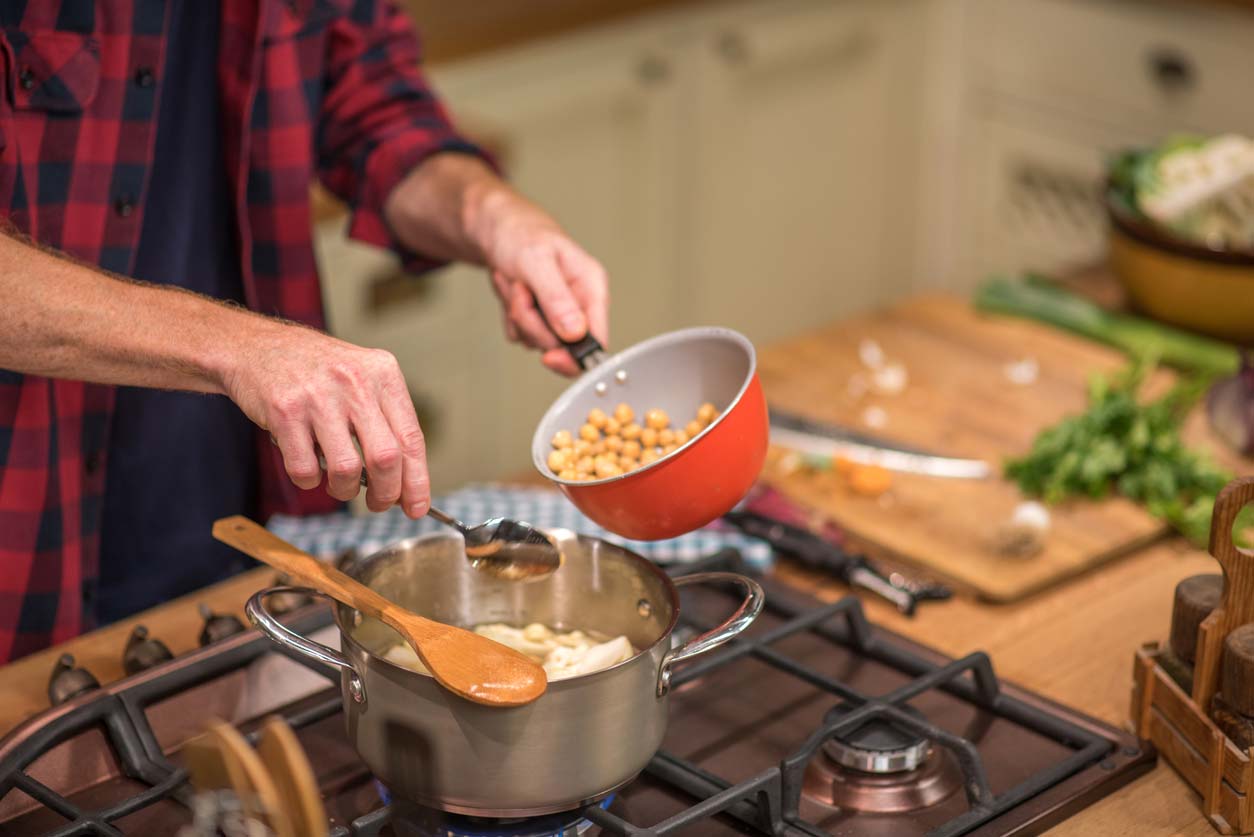
Chickpeas are super easy to incorporate into your diet and require very little prep work. If you choose to buy them canned, all you have to do is drain and rinse them.
If you buy dried garbanzos, you’ll have to soak and cook them.
To soak chickpeas, cover them with water in a large pot and let them soak for 24–48 hours, rinsing twice a day. Then, you can either cook them by simmering them in fresh water on the stove, in a crockpot, or in a pressure cooker (this last method can cut the cooking time way down).
You might want to add a bay leaf or a little dried kombu (a sea vegetable) to the cooking water for extra flavor. Spices like fennel, cumin, caraway, ginger, and turmeric are great flavoring agents for garbanzos and can even make them more digestible.
Here are a bunch of ways to use cooked chickpeas in your own culinary creations:
- Dips like hummus
- Seasoned and dry-roasted in the oven for a snack
- In Indian dishes like chana masala, dals, or curries
- In soups and stews
- As a binder for veggie burgers and patties
- As a topping for dishes like baked sweet potatoes or salads
- Mashed and used in place of canned chicken or tuna in chickpea salad sandwiches
- Blended in a food processor with peanut butter, oats, and dates as a base for high-protein snack balls (see the recipe for Oatmeal Chickpea No-Bake Cookie Dough below!)
The liquid from cooked and canned chickpeas that most people generally discard is called aquafaba (Latin for “bean water”). You can use it in baked goods as a binder and a vegan alternative to eggs. You can even whip it into a meringue! Simply whip it with a bit of cream of tartar and watch a stiff foam form in a matter of minutes.
3 Creative Chickpea Recipes
The recipes below are just the tip of the iceberg (or “the tip of Cicero’s ancestor’s nose,” to coin a new phrase) when it comes to making a wide range of delicious and healthy chickpea creations.
We weren’t sure whether to start or end with the Oatmeal Chickpea No-Bake Cookie Dough, since this recipe could easily serve as a sustainable breakfast or a healthy treat, thanks to its high fiber and protein content. We’ll let you choose, so let us know which way you love most.
If you’re a crunchy snacker, Moroccan Baked Chickpeas will soon be your BFF with their worldly flavor.
And finally, move over black beans; it’s time to experiment with another bean for a super-flavorful, samosa-style chickpea-and-potato burger that’s as tasty as it is easy to make!
1. Oatmeal Chickpea No-Bake Cookie Dough
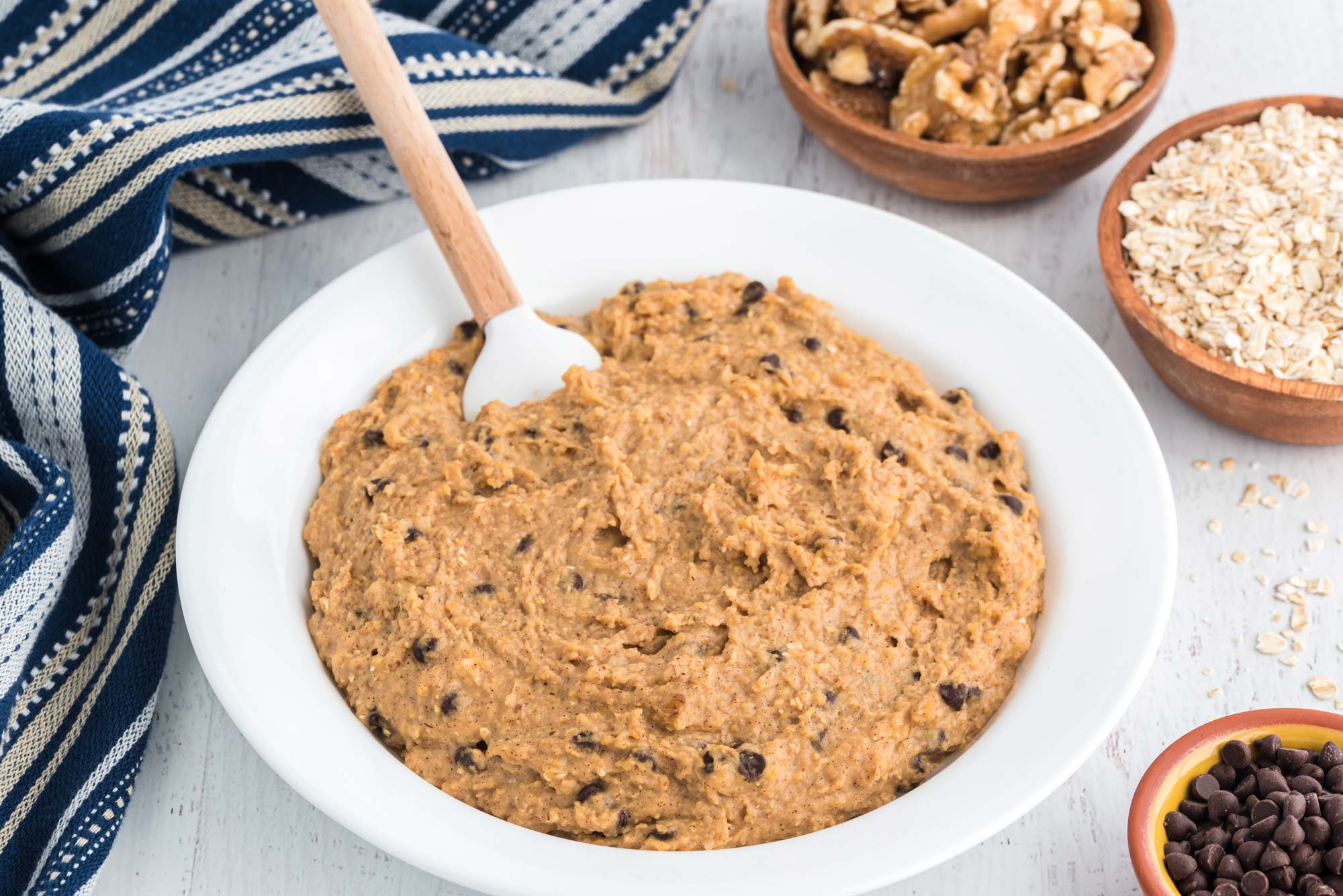
This recipe is sure to confirm your notion that chickpeas are pretty magical. In this Oatmeal Chickpea No-Bake Cookie Dough, high-protein, high-fiber chickpeas create the most delicious cookie dough you can enjoy straight out of the jar or bake into a soft, chewy treat. With 7 grams of plant-based protein and over 5 grams of fiber per serving, plus flavor to boot, you can’t go wrong with this tasty and nutritious snack!
2. Moroccan Baked Chickpeas

Do you consider yourself a crunchy snacker? Looking for an ideal nibble to replace those chips that aren’t serving your health so well? Chickpeas get perfectly crunchy in the oven (with a little tossing in between). All you have to do is add your favorite seasonings. This flavorful, Moroccan-style baked chickpea snack will get you started on a healthier, high-fiber, protein-rich alternative to traditionally fried, salty chips.
3. Chickpea and Potato Samosa Burgers
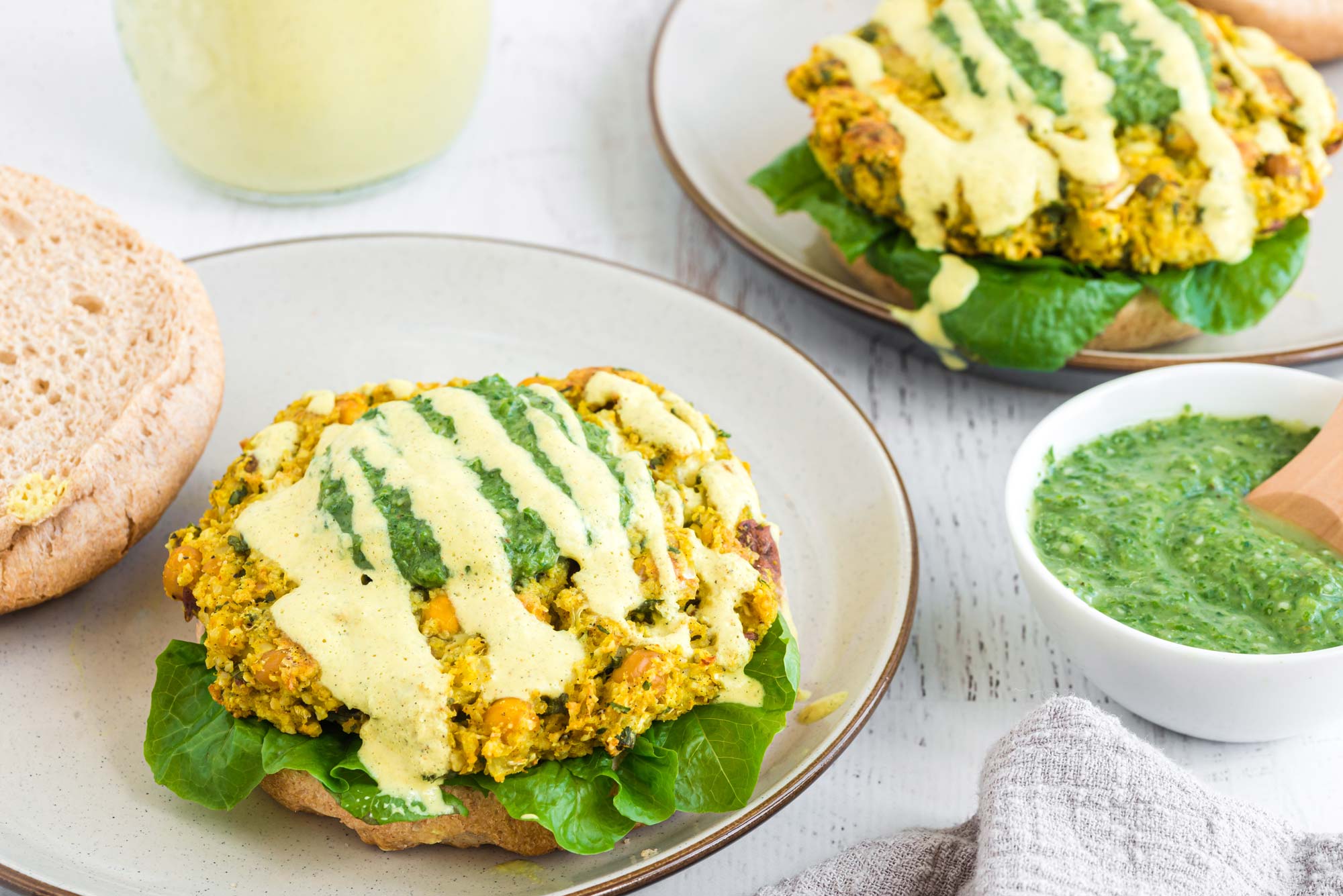
Chickpeas make fabulous burgers, and if you love Indian spice as much as we do, then trust us, these burgers might make it to your recipe library of fame. Serve them with mint chutney and plant-based yogurt, and top with plenty of veggies like pickled onions, leafy greens, or sliced tomato for the ultimate chickpea burger experience.
Chickpeas Deserve a Spotlight in Your Kitchen
Chickpeas are an increasingly popular plant food, and for good reason. Like other legumes, they’re highly nutritious and a good source of plant-based protein. As well as offering many important health benefits, they’re a sustainable crop with a wide variety of uses in cooking and baking.
While there are a few potential downsides to consuming chickpeas, including exposure to glyphosate in some non-organic products, they can make an important contribution to a varied and whole food-based diet.
Tell us in the comments:
- What are your favorite ways to eat garbanzos? What new ways are you considering trying them in your diet?
- Have you ever used aquafaba in baking? What did you think?
- Have you noticed an increased presence of chickpea products in your local markets?
Feature image: iStock.com/nito100
