Health Lifestyle

The Keto Diet Explained: What the Science Really Says

·
·
9 min read
Summary

What exactly is the ketogenic (or “keto”) diet? Is it effective for weight loss? Does it show other benefits? Is it healthy — or safe? Here’s what the latest science says.

In recent years, the “keto” diet has attracted millions of people looking to lose weight and reap its other purported benefits. So, are they onto a cutting-edge biohack? Or dangerously misguided, trading short-term results for long-term misery?

What is the Ketogenic Diet?

There are a few different kinds of ketogenic diets (more on that later), but what they all have in common is a severe reduction in carbohydrate intake, putting your body into a metabolic state known as ketosis.

Ketosis occurs when your body metabolizes fat rather than carbohydrates to produce energy. This process produces ketones — a type of acid — in your blood as a by-product.

It’s actually pretty cool that our bodies can do this. It was once a useful survival tool for our ancestors.

We wouldn’t have made it as a species without our body’s ability to temporarily use fat when we couldn’t find enough carbohydrate-rich foods. Stored fat got our ancestors through hard times when food was scarce and provided a buffer when they had to go days without eating.

As this process existed as an evolutionary tool, there’s even evidence that challenging the body through fasting-induced ketosis every so often yields health benefits. The fancy term for this phenomenon is “hormesis,” meaning certain stressors in certain doses at certain intervals can actually make us stronger. (Lifting weights to break down muscle fibers is a familiar example of hormesis in action.)

But the modern ketogenic diet movement, as we know it, doesn’t typically focus on temporary or intermittent fasting as a survival tool. The keto diet seeks to keep the body in a permanent state of ketosis by severely restricting carbohydrates and compensating with loads of fat and protein as an energy source.

So what exactly do you eat on a ketogenic diet, and what are you supposed to avoid?

Foods Not Allowed on a Ketogenic Diet
Carbohydrates and refined grains
iStock.com/fcafotodigital

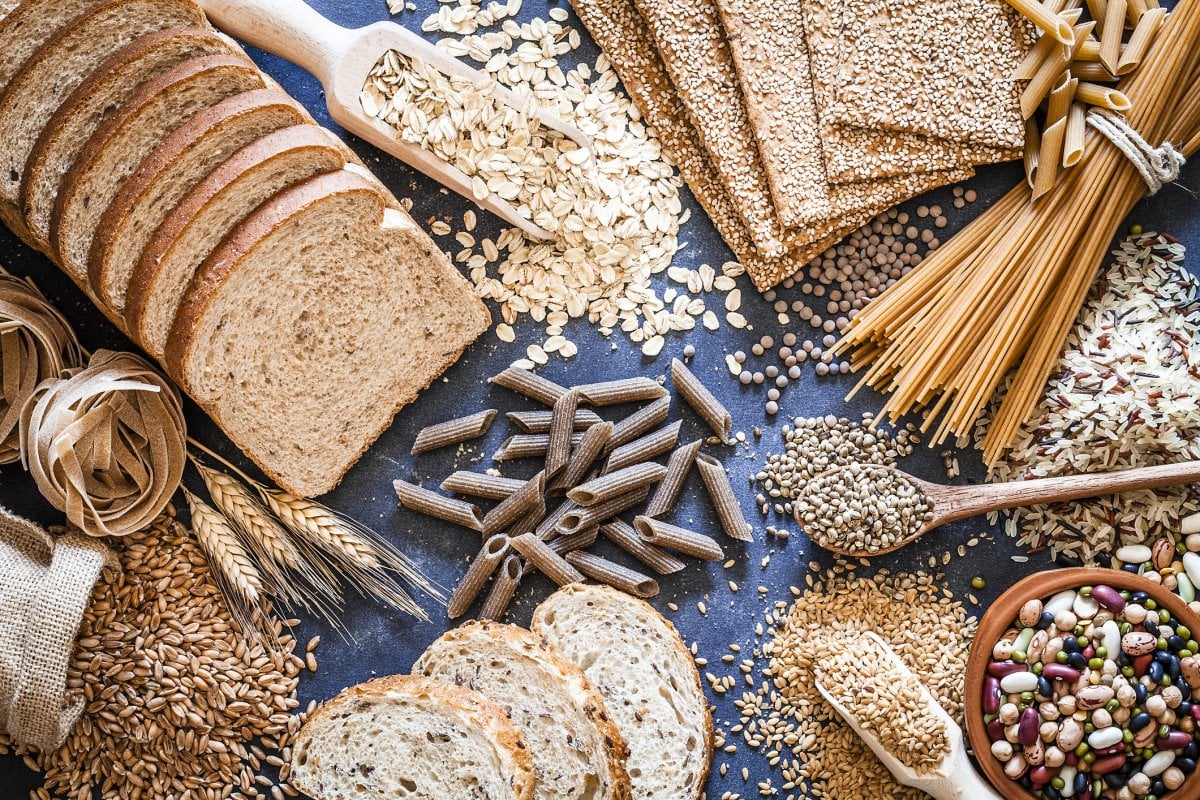
Carbohydrates are the enemy on a keto diet. That includes sugary foods, grains and starches, alcohol, most fruit, beans and legumes, root vegetables and tubers (e.g., sweet potatoes, beets, carrots), low-fat or diet products, and some condiments or sauces. In fact, your carbohydrate consumption might be less than you’d derive from a single apple a day.

But a ketogenic diet doesn’t distinguish between “good carbs” like lentils and “bad carbs” like lollipops.

While it’s great that it eliminates refined sugar, white flour, and many processed foods, keto also forbids some of the healthiest foods on the planet.

Avoiding whole, plant-based carbs like fruit, legumes, and grains means that you’re likely to be dangerously deficient in antioxidants, phytochemicals, vitamins, and minerals, all of which are important for disease prevention and long-term health. 

You’ll also likely miss out on adequate fiber, which is no small matter. About 97% of the US population is already deficient in fiber, which puts you at increased risk of heart disease and several digestive cancers, as well as breast cancer

So What Can You Eat On A Ketogenic Diet?
low-carb keto diet foods
iStock.com/Rimma_Bondarenko

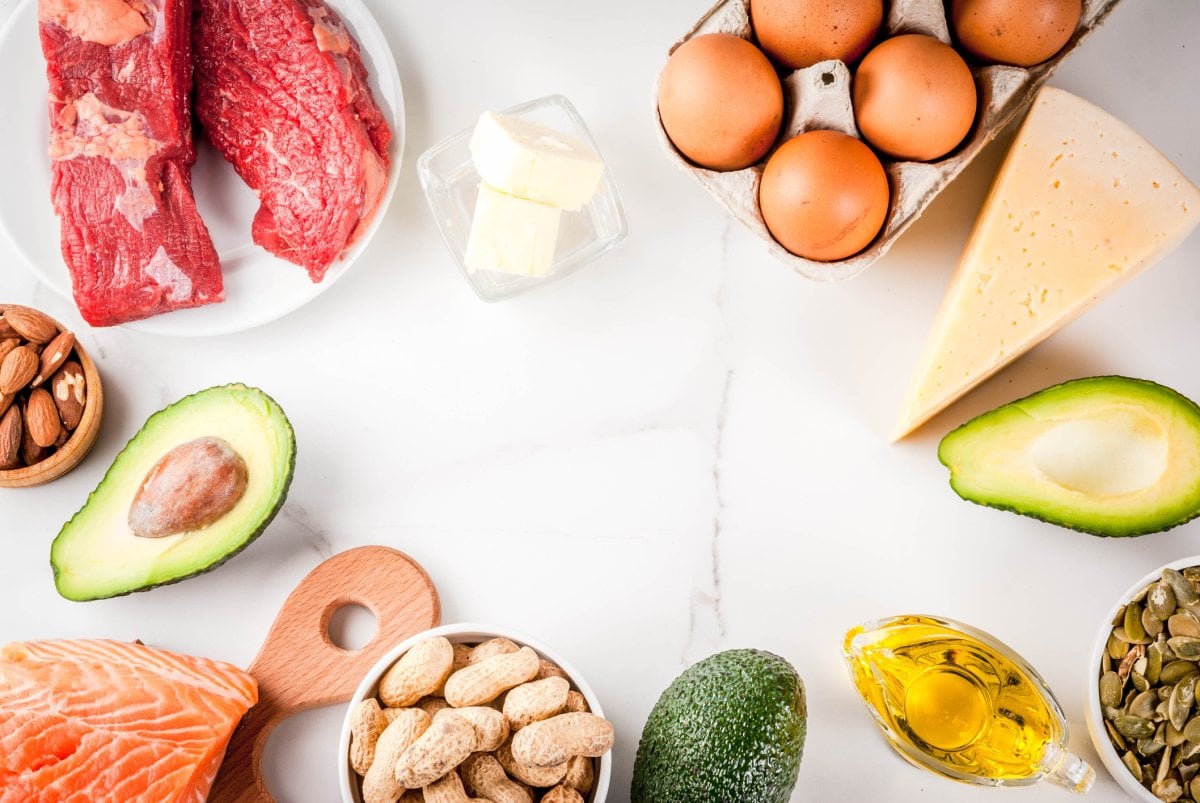
Keto-compliant foods include meats, fish, eggs, butter and cream, nuts and seeds, vegetable oils, avocados, low-carb veggies (e.g., lettuce, zucchini, and peppers), and certain condiments.

Eating plant-based fats from nuts, seeds, and avocados does make good sense. And plenty of studies show us that low-carb vegetables (like leafy greens) are terrific health boosters. The problem is that, for most keto diet adherents, a majority of their calories typically come from animal products. 

Given the overwhelming body of evidence linking consumption of meat and other animal products to cancer, Alzheimer’s, and heart disease, the fact that keto diets typically rely heavily on animal products seems like a recipe for long-term health problems.

Types of Ketogenic Diets
keto diet food pyramid
iStock.com/7romawka7

There are five main types of ketogenic diets:

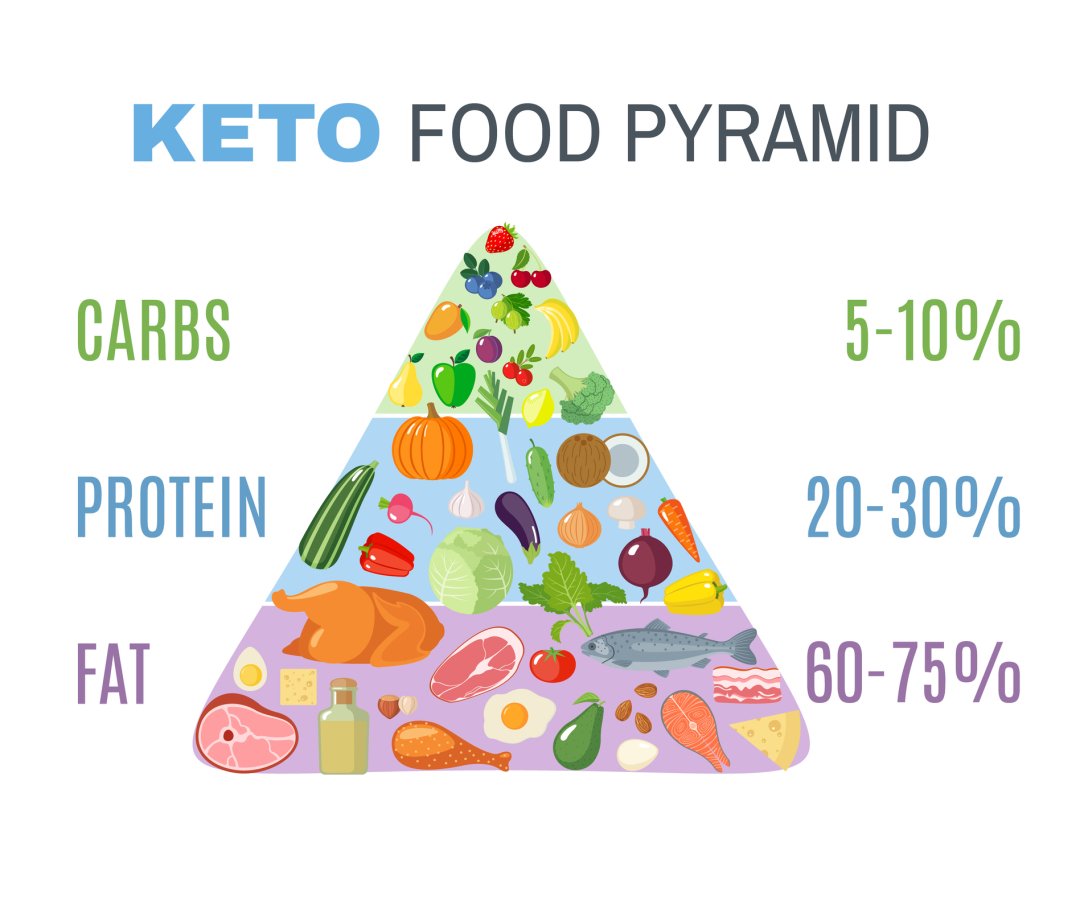
  • The standard ketogenic diet is a very low-carbohydrate, moderate-protein, high-fat diet. These macronutrients make up 5%, 20%, and 75% of the diet, respectively. However, fat content may be increased to as high as 90%.
  • The cyclical ketogenic diet includes higher carbohydrate days to refeed your body. For example, you might follow the standard ketogenic diet for five days, followed by two days of high-carbohydrate intake.
  • The targeted ketogenic diet allows you to eat more carbohydrates around exercise to help fuel your workouts.
  • The high-protein ketogenic diet is similar to the standard version but emphasizes protein even more, with a ratio of 35% protein, 60% fat, and 5% carbs.
  • And the plant-based ketogenic diet relies heavily on high-fat plant foods such as nuts, seeds, avocados, coconut, and bottled oils, in addition to relatively low-calorie greens.

Standard and high-protein ketogenic diets are the most common, while the cyclical and targeted varieties are used mainly by athletes.

And while a plant-based keto diet may sound nice to folks who choose to avoid animal products, it can be quite limited, and as such, may wind up leading to deficiencies in a number of antioxidants, vitamins, phytochemicals, and other nutrients that are important for long-term health.

What are the Risks of a Ketogenic Diet?

“Keto Flu”

When beginning a ketogenic diet, some people may experience a set of symptoms dubbed the “keto flu.”

These symptoms can include, but are not limited to:

  • Nausea
  • Vomiting
  • Constipation
  • Diarrhea
  • Headache
  • Weakness
  • Fatigue

Symptoms usually last about a week as the body adjusts to the lack of carbohydrates.

Due to possible symptoms of the keto flu, such as diarrhea and vomiting, and because most initial weight loss on a keto diet is water weight, hydration (with electrolytes) is especially important.

Nutrient Deficiencies

Animal products have zero fiber, so we need to rely on plants to get our fiber. But since the keto diet relies so heavily on fat and restricts all carbs, including fruits and vegetables, it can be a recipe for developing nutrient deficiencies.

Fiber itself is an essential nutrient, particularly prebiotic fiber, which feeds the good bacteria in your gut. But it also helps your body absorb nutrients from food and eliminate waste and toxins.

Fruits and vegetables contain high amounts of fiber, vitamins, minerals, antioxidants, and phytochemicals — many of which are not present at all in animal products or high-fat foods.

High-carb foods like beans, bananas, and oats also contribute to your body’s electrolyte stores, which are more easily lost on the keto diet from excess water extraction. And a lack of these and other nutrients has been shown to contribute to a variety of chronic diseases such as heart disease, osteoporosis, cancer, and mental health disorders.

Real-world low-carb/keto patterns are associated with micronutrient gaps, likely due to reduced intake of fruits, legumes, and whole grains.

Disease Complications or Death

Not to scare you, but the ketogenic diet has been shown to increase the risk of disease complications, and even (for some people) premature death.

People with diabetes can have a more severe type of ketosis called ketoacidosis if they don’t have enough insulin. Ketones build up and change the chemical balance of their blood. The combination of acidity in the blood and dehydration from fluid loss can cause organ damage, coma, or death.

And in 2018, the European Society of Cardiology found that people who followed a low-carb diet had the highest risk of overall cardiovascular, cerebrovascular (like stroke), and cancer death.

The ketogenic diet is also not recommended for patients with pancreatitis, liver failure, disorders of fat metabolism, or kidney disease because of certain long-term recorded effects, such as fatty liver disease, kidney stones, and dehydration-related symptoms, which may complicate these diseases.

Positive Uses of the Keto Diet

Epilepsy

The keto diet has been successfully used to treat intractable epilepsy in children since the 1920s. But the original ketogenic diet fell out of use after World War II with the development of more effective anti-epileptic drugs. Then, interest was revitalized again in the 1990s thanks to an epileptic boy named Charlie Abrahams.

Charlie had up to 100 seizures a day with no relief from medication until his parents learned about the diet in a medical textbook. His seizures stopped almost immediately, and he remained on the diet for five years.

In 1994, Charlie’s family created The Charlie Foundation for Ketogenic Therapies, which helped spread awareness about the diet and assisted other children with epilepsy.

Although the ketogenic diet has been used to treat children with epilepsy and shows some promise, it’s rarely recommended because of how strict it is. It’s generally only prescribed in severe cases of epilepsy and only under the care of both a medical doctor and a dietitian.

Weight Loss

The most common reason people go on a keto diet is to achieve rapid weight loss.

In the US, nearly three-quarters (73.6%) of adults are overweight or have obesity, including 40.3% who are classified as having obesity, which is correlated with a higher risk of nearly every major chronic disease of our times.

And keto diets can be effective at helping people lose weight — at least in the short run.

Studies show faster weight loss when people go on a keto diet, compared to those on a more traditional low-fat or Mediterranean diet. However, that difference in weight loss seems to disappear over time. After two years, the dietary approaches yield similar weight-loss results.

Furthermore, keto diets have not been studied long-term. Since many health conditions take years to develop, a full understanding of the effects of a keto diet (or any diet for that matter) will require studies that last decades, not months.

Diabetes

People with type 2 diabetes who go on ketogenic diets often show improvements in glucose levels and biomarkers for blood sugar stability. But in these studies, subjects are essentially starved of food, sometimes only ingesting 650 kcal/day. Is it the ketosis or the caloric restriction that’s the important factor?

In addition, there’s a profound difference between managing biomarkers and addressing the underlying metabolic dysfunction that exists in diabetes. Cut out all starchy foods — grains, legumes, fruits, starchy veggies — and the biomarkers that can get out of whack in response to stimulation from these foods may look fabulous. However, diabetes still exists — it’s just not showing up in the biomarker numbers because you’re not eating the foods that would show the insulin resistance.

This is a bit like “fixing” a clogged sink drain by no longer using the sink rather than removing the blockage. As long as there’s no water running down the drain, the sink looks fine. But that doesn’t address the real problem.

The same is true with carbs. If you don’t eat carbs, your blood glucose levels will drop. But the real measure of insulin sensitivity is being able to eat carbs and process them healthfully. And there’s nothing about the keto diet that helps that to happen.

In fact, to the contrary, a growing body of research shows us that a diet high in animal products, as most keto diets are, leads to higher rates of type 2 diabetes. And recent human data suggest that very low-carb, high-fat (keto-style) patterns may raise long-term risk of type 2 diabetes, especially when carbs are replaced with saturated fat, rich animal foods.

Learn what the latest scientific research says about how to prevent and reverse type 2 diabetes — using food and free lifestyle tips.

Join the FREE

Watch Here

Keto for Cancer?

There’s a popular theory fueled by the controversial research of Dr. Thomas N. Seyfried and the book, Keto for Cancer, that the keto diet can help fight cancer. 

Dr. Seyfried’s theory is that cancer is a metabolic disease and, therefore, a low-carb, low-calorie diet will starve cancer cells of their supposed fuel. In his words, “Nutritional ketosis induces metabolic stress on tumor tissue that is selectively vulnerable to glucose deprivation.” 

While nutrition does influence cancer growth, cancer cells don’t just eat sugar. A 2016 study published in the journal Nature showed that high-fat diets, especially from animal products and processed oils, actually fed cancer tumors and initiated their spread throughout the body. 

Additionally, cancer can actually feed on ketones, causing tumors to grow and metastasize. In fact, a 2012 study concluded that ketone inhibitors should be used to treat cancer patients, especially those with repeated cancer growth and metastasis.

Weight Loss

There is not now, nor do we have a record of there ever having been, a human population anywhere in the world eating a keto diet and experiencing long lifespans. To the contrary, a 2018 study published in The Lancet concluded that people who eat low-carb diets have shorter lifespans (by an average of four years). The authors write:

“Low carbohydrate dietary patterns favouring animal-derived protein and fat sources, from sources such as lamb, beef, pork, and chicken, were associated with higher mortality, whereas those that favoured plant-derived protein and fat intake, from sources such as vegetables, nuts, peanut butter, and whole-grain breads, were associated with lower mortality…”

And in another 2018 study published by the European Society of Cardiology (also referenced in the “Disease Complications or Death” section of this article), researchers found that, during the course of the study, people who ate low-carb diets had a 32% increased risk of death from all causes when compared to those eating the highest amount of carbs. Specifically, low-carb eaters suffered from a 51% higher risk of dying from heart disease and a 35% higher risk of dying from cancer.

A 2024 systematic review in The American Journal of Clinical Nutrition reports that ketogenic diets often raise LDL cholesterol and ApoB (particles that can cause plaques in the arteries), both of which are associated with poor cardiovascular health.

The Verdict on Ketogenic Diets

The ketogenic diet originated as, and still is, a medical diet that may be helpful for epilepsy. And it can lead to rapid weight loss in the short term. However, starvation and illness can also cause weight loss, but that doesn’t make them healthy ways to achieve it.

There are currently no studies showing that a ketogenic diet benefits long-term health. In fact, multiple studies show that such low-carb, high-fat diets can actually lead to shorter life expectancy and higher rates of disease.

Ditching processed foods, refined carbs, and added sugars can do wonders for your health, and the keto approach gets that right. But you can do all of that without basing your diet around animal products and high-fat foods.

After all, a whole food, plant-based diet with lots of delicious fruits, vegetables, legumes, nuts, seeds, and whole grains can also lead to weight loss. And in the process, it will also help your body fight and prevent cancer, heart disease, obesity, Alzheimer’s, type 2 diabetes, and virtually every other major chronic illness of our times.

Tell us in the comments below:

  • Are you on the keto diet, or are you considering it?
  • What do you think about the ketogenic diet?

Featured Image: iStock.com/ThitareeSarmkasat

Read Next:

  • I am on a keto diet for weight loss. I am oval-lacto vegetarian. I don’t plan to stay on the keto diet after reaching my goal weight. At that point I will add back fruits and increase my carb intake.

  • Hello, John–I’m so sorry that you are dealing with a loved one with Alzheimer’s, and that the information out there is so confusing. We published an article a number of years ago that may be of interest to you, regarding foods that may prevent dementia: https://foodrevolution.org/blog/10-foods-prevent-dementia-alzheimers/. In addition, Dr. Greger has quite a few short videos on the topic of Alzheimer’s here, if you’d like to take a look at those: https://nutritionfacts.org/?s=alzheimers

    I hope these resources are of some additional assistance. We’re sending you well wishes in your caregiving–and don’t forget to take care of yourself as well. Thank you for being here in our community. –Ina, Food Revolution Network Team

  • Thanks for sharing your perspective, Brian–we appreciate hearing every side of the keto experience! –Ina, Food Revolution Network Team

  • It’s true, Erica–why miss out on any of nature’s amazing micronutrients? 🙂 –Ina, Food Revolution Network Team

  • Hi Barbara and thanks for your question.

    The protein and fat sources you mentioned, including tofu, tempeh, hemp seeds, almond butter, and coconut-based Greek yogurt, are all whole or minimally processed plant foods that provide healthy fats, fiber, and valuable micronutrients alongside their protein content. Tempeh in particular is a fermented food, which adds the bonus of supporting gut health. Hemp seeds are an excellent complete protein source, meaning they contain all essential amino acids, and they also provide a favorable ratio of omega-3 to omega-6 fatty acids, which is beneficial for inflammation management.

    Quinoa is technically a seed rather than a grain, and while it does contain more carbohydrates than the other foods you mentioned, it is also a complete protein and rich in minerals like magnesium and iron. Depending on your total daily carbohydrate intake, it can fit well into a lower-carbohydrate plant-based approach without pushing you into the range that would cause blood sugar spikes.

    Centering your diet around leafy greens and cruciferous vegetables such as broccoli, cauliflower, kale, Brussels sprouts, and cabbage is one of the most well-supported dietary choices in the nutrition literature. These foods are extraordinarily rich in antioxidants, phytochemicals, fiber, and anti-inflammatory compounds. Research consistently associates high intake of cruciferous vegetables with reduced risk of certain cancers, heart disease, and cognitive decline.

    Reducing or eliminating refined carbohydrates like white bread, white rice, and pasta made from refined wheat is also broadly supported by evidence, particularly for blood sugar regulation, metabolic health, and reducing chronic inflammation. It is worth noting, however, that whole grain versions of some of these foods do carry meaningful nutritional benefits, so the distinction between refined and whole grain carbohydrates is worth keeping in mind if you ever choose to reintroduce any of them.

    I hope this helps give you a little extra insight. Thanks again for the question! –Ina, Food Revolution Network Team

  • Thank you so much for sharing your perspective, Judy! I’m glad you’ve found what works for you and your body! –Ina, Food Revolution Network Team

  • Fantastic, Honey! I’m glad it’s working so well for you and your body. –Ina, Food Revolution Network Team

  • It’s definitely not for everyone–thank you for sharing your experience, Ingrid! –Ina, Food Revolution Network Team

  • Hi Marylou!

    What you are describing is not strictly ketogenic in the traditional sense. A standard keto diet typically limits carbohydrates to between 20 and 50 grams per day in order to shift the body into a metabolic state called ketosis, where fat becomes the primary fuel source instead of glucose. At 100 grams of carbohydrates per day, your body is most likely not entering or sustaining ketosis, so the traditional keto label may not quite apply.

    However, what you are describing sounds like a genuinely healthy and sustainable approach that incorporates several well-supported dietary strategies. The bottom line–if it’s working for you, and you’re getting lots of great micronutrients from plants, then keep it up! –Ina, Food Revolution Network Team

  • Hi Carissa! Thank you very much for sharing your personal experience. I’m wishing you lots of healing and luck moving forward with your new strategy. I think many, many others have had similar experiences with self soothing with food so your story will resonate with lots of folks. Thank you for being here in our community! –Ina, Food Revolution Network Team

  • Very interesting, Rhonda! I’m glad you found something that works for you, and your body! –Ina, Food Revolution Network Team

  • You’re welcome, Kallie–I’m so glad the article resonated with you. –Ina, Food Revolution Network Team

  • So glad you enjoyed it, Elsie! Thanks for being here. –Ina, Food Revolution Network Team

  • Thanks for sharing your experience, Christy! –Ina, Food Revolution Network Team

  • Thanks for sharing this perspective with us, Justin! –Ina, Food Revolution Network Team

  • Thank you for your feedback, Jodie! We try to respond to almost every comment, time permitting, particularly if there’s a question that someone is asking. We very much appreciate all views and opinions regarding our articles–and we will certainly look into our research regarding Seyfried’s work. Please let us know if and when you have any other feedback or questions! –Ina, Food Revolution Network Team

  • What an interesting breakfast, Carol! It’s inspiring me to try eating celery first thing in the morning. I can see that being very refreshing, especially in hot weather. –Ina, Food Revolution Network Team

  • Thank you for sharing this perspective, Art! It is sincerely appreciated. –Ina, Food Revolution Network Team

  • Hi Zoe, Thank you for sharing your perspective. It is clear you have given this considerable thought, and we appreciate the engagement. That said, there are several points worth addressing carefully.

    You are correct that keto does permit some vegetables and berries, and we acknowledge that well-formulated keto diets can include meaningful amounts of plant foods. However, the range and quantity of vegetables consumed on a typical keto diet remain significantly narrower than what is found in a whole food, plant-based diet. Root vegetables, legumes, and many fruits, which are among the most antioxidant and phytochemical-rich foods on the planet, are largely excluded. That restriction does represent a genuine nutritional trade-off, regardless of what is permitted in theory.

    Grass-fed, pasture-raised, and humanely treated animals do produce nutritionally superior products compared to factory-farmed equivalents. However, it is worth noting that the animals raised this way are still subject to short lives and often the same cruel methods of slaughter that are implemented in factory farming.

    On the pesticide concern, this deserves a nuanced response. Certified organic vegetables are grown without synthetic pesticides, herbicides, or glyphosate, which directly addresses the concern you raised. Choosing organic, whole plant foods sidesteps much of the chemical exposure risk you described. It is also worth noting that animals raised on conventional feed are themselves exposed to pesticides, herbicides, and GMO crops, meaning those compounds can concentrate in animal tissues and fat through a process called bioaccumulation, potentially resulting in higher exposure for the consumer than eating organic plants directly.

    Regarding GMOs and ultra-processed plant-based foods, this is a fair critique of certain products marketed as plant-based, particularly the heavily processed meat substitutes. However, a whole food, plant-based diet built around vegetables, legumes, fruits, nuts, seeds, and whole grains bears little resemblance to those products. Conflating processed vegan junk food with a whole food plant-based diet is a common mischaracterization worth clarifying.

    We are genuinely glad you feel well on your keto diet and have sustained it for several years. Individual responses to dietary patterns do vary, and personal experience matters. That said, long-term population studies on whole food, plant-based diets consistently show strong associations with reduced risk of heart disease, type 2 diabetes, and certain cancers, and those findings remain part of the scientific conversation worth keeping open.

    Thank you again for sharing your views here–we do sincerely appreciate your feedback. I hope this helps clarify our stance! –Ina, Food Revolution Network Team

  • Very interesting, Valentina! Thank you for sharing this with us. –Ina, Food Revolution Network Team

  • Thank you for sharing your story with us, Mark. I’m so sorry you’ve had to go through all of this! I’m wishing you the best in your health moving forward! –Ina, Food Revolution Network Team

  • Thank you for sharing these stories, Lori! We sincerely appreciate getting all perspectives. –Ina, Food Revolution Network Team

  • This happened to me too, 20 years ago. I lost weight at the expense of muscle. I went on a very restrictive diet recently, similar to keto, to try and heal my SIBO and I was sick with Keto Flu for 10 days. I felt like garbage. I ended up ending the diet when I got the real flu and was too sick to worry about macros and making sure the right foods were around.

  • Environmental pollution is abundant everywhere. All animals store pollutants in their fat, wild or domestic. Eating veg is much cleaner.

  • Unfortunately the keto diet is a disaster for the environment and both domestic and wild animal life. A veg only diet is not without its environmental impacts but much, much less so.

  • Am not quite clear on your answer, am I correct in understanding that you also have not got ‘full keto’? How long have you been following a KD (or version of it?)

  • My wife has Alzheimer’s and I have been reading numerous scientific backed reports about how to improve her condition. Unfortunately I do not have any medical knowledge and in the UK when someone has been diagnosed with Alzheimer’s they receive no assistance from GP’s and are effectively written off.
    My research has introduced me to Dale Bredeson and Heather Sandison who are both considered experts in treating Alzheimer’s patients. They strongly support the Ketogenic Diet so your report has come as a major surprise that you include Alzheimer’s as a potential result of doing a Ketogenic Diet. I must admit that having looked at the KD regarding my wife it did give me concerns although I have some respect for DB and HS in their research results. I have been considering using the KD for my wife but have strong reservations and having read your report I have no further interest in using the KD.

  • The sugar industry has heavily lobbied government agencies and scientists for decades. That’s why you get studies that try and tie meats to heart problems etc… keto diet had lowered my blood sugar, blood pressure and greatly lowered my c-protein (a marker of longevity) most people don’t cut out vegetal and go full keto. Like nobody I know that attempts keto diet does that. Most cut out the breads and fast burning carbs. This isn’t going to threatened anyone but the sugar, processed grain and fat burning foods like potatoes industry. It is a life changer for health and energy. You can’t make this bold “evolutionary” claim when we only started farming like yesterday if you follow evolutionary biology.

  • You said it well ….. “when medically necessary”. This is a medically prescriptive diet for dying patients or certain epileptic patients.

  • My training in Keto diets was that it was designated for specific cases of epilepsy and used for end stage cancer patients. My understanding is that it is not a lifestyle diet for healthy individuals.

  • I don’t eat much junk carbs, but cutting out fruit and vegetables? It makes zero sense, they’re healthy and some of the best-tasting foods you can eat.

  • I am not on the keto diet, because I have never thought it healthy. But I get worried about friends who are on it or considering it.
    I myself am a “mostly” vegetarian. Good fish occasionally. And I grow much of my own fruit.

  • What are your thoughts on a plant based keto-type diet where you eat higher protein & fats from plant sources (tofu, tempeh, coconut Greek yogurt, hemp seeds, almond butter, quinoa) and eat greens & cruciferous veggies but not rice, bread, wheat & pasta.

  • I’ve been on the standard Keto diet for 6 years . I have excellent blood pressure, low cholesterol, and I’m 80 yrs old. I’m am not on any prescription drugs. I have added lentils and other beans to my diet, but moderately . I have no problem with moving my bowels . I go at least twice a day or sometimes 3 times a day. The only fruit I eat are berries, usually blueberries and strawberries. I have friends that are also very healthy on the Keto diet.

  • Super pleased with Prolon – I start my 4th 5-day fast later this month. I have severe eating disorder history with associated shame, dysphoria, neurotic relationship with food. In all other parts of my life I’m quite successful. Fast has greatly helped. I feel more joy, ebullience, confidence and connection with self & nature. I love the way my body looks and feels.

  • I tried a keto diet for several weeks a year or so ago and found it wasn’t for me. The “keto -flu” you mentioned lasted the entire time and I felt AWFUL!!! I was hoping for some relief from neck stiffness, generalized joint achiness and none of those happened. The best of luck to those who try it, but it’s not for everybody

  • I do a plant-based keto diet by relaxing the limitations on carbohydrates to about 100 grams and lowering fat, especially dairy. I stopped grazing all day cutting out most of the junk food snacking. Addtionally I’ve reducing the eating window to 10 to 7. Is this still keto?

  • I tried the Keto diet for a 6 month period some years back, before it got super popular in the press. After 6 months, I had attained an ideal weight, but at the expense of muscle, and my health. Today I’m a dedicated whole foods, plant based eater, and gained back 15 pounds, but more importantly, I’m slowly getting muscle back due to workouts, and the wonderful whole foods I’m eating have helped me to better health than I can remember since childhood. When it’s medically necessary, the keto diet can be helpful, but for most of us, in my opinion, it’s a disaster.

  • Thank you for the informative article. My husband and I practiced the standard keto diet for about 4 months with a fasting window of 16 hours. The weight dropped off quickly but wow was it difficult to adhere to. I lost 25lbs and my husband lost 15lbs. I appreciated that it opened our eyes to the extreme amounts of sugar, in many forms, that are unnecessarily added to foods. Many items you may not even realize so for all of us, check your ingredients. It was also expensive and time consuming. So much time in your day is spent, planning, calculating and just thinking about it. In America, bad for you food is everywhere and cravings are so real. So we ended the diet and tried to just keep the eating window of 11am-6pm. But the weight started piling back on. It depleted my hope of keeping weight off and I turned to sugar to self soothe. Now I am up 35lbs but cannot continue this weight gain. We have joined a gym, I am cutting back on the sugar, taking a fiber supplement and trying an all things in moderation with a vegetable forward diet. If it sounds too good to be true, it usually is.

  • On 1 February 26 I went on a keto diet of 800 cal
    I immediately lost kilos. After five days I didn’t stick to the 800 cal and just ate keto with a 18 hour fast each day or eating onlybetween 12 noon and 6 pm approximately. I. Quickly lost 4 kg.. then I decided to pause and keep my weight at the new 4 kg lighter weight which I’ve done for nearly two months. Now I just generally ate a keto diet. and fast for 14 hours. The weight stayed off. I’m also remembering names and not losing my place in conversations as I was.
    I have another 3 kg to lose. I am 168 cm in a 69-year-old pescatarian woman. I’m happy with these results.

  • Appreciate your laying this out Ocean. There have been some strong arguments about staying in on a keto diet long term and they have never made sense to me. Glad to have more background, context and evidence. Thanks!

  • Hi
    This is very informative. I started a keto diet recently and have lost 7 kgs. I am NOT a fan of animal fats and dairy so my diet is full of fish ( avoiding farmed fish) salads, avocados, nuts, berries ( blackberries, strawberries raspberries) mushrooms , onions pumpkin, artichokes , but avoiding potatoes sweet potato and bread. Every couple of weeks I’ll do a “eat whatever I want” and it seems to be working well.
    My observations of others on Keto is the focus on animal fats and dairy is a recipe for death 😊 , however I am interested in your comments on my story. Thank you once again, I really enjoy your work Ocean!

  • I appreciate all the wonderful.positive science backed information here today, and in all your teachings. Thank you for all the research and breakdown of information that helps us understand and make sense of how to nourish and feed ourselves. In a world where food is very emotionally overwhelming confusing and controversial it’s nice to know you and share in the awaking of the food revolution. Thank you Ocean!

  • I have bad experience with keto. Had to do it because of insuline resistancy. My cholesterol became extremely high. Vomiting znd diarea and gatigue. Volitkng for several days with diarea and a fyer s couple of days that it was normal again, I had the same. Vomiting and diarra.
    I thought that the diet was the reason but they said that it wasn’t . So thank you for your explanation. Now I know my geeling was right.
    Kind regards.

  • On the keto I was on for almost a year,I went into Ketosis & lost 25 lbs. I loved that but after almost 8 mos I couldn’t stay in Ketosis, got tired of the restrictions,gained all the weight plus more , went back to old habits !!! Now I even went to prepared meals to get back and I haven’t lost an ounce. I am so discouraged I can’t tell you. I don’t know what to do now.. what say you?

  • Ocean you are totally wrong about cancer cells living off ketones that study is over 12 years old and it is now known that cancer grows on glucose only
    Check the cancer rates in people in poorer countries that don’t have access to processed foods their cancer rates are almost zero
    You should look up Dr Eric Berg for the truth about keto

  • Thank you, Thank you, Thank you!! A fantastic, thoroughly researched, and long-overdue article!! As a retired nutritionist (several decades), at almost 82 yrs old, and WFPB for almost 9 years now, with many vegetarian years before that, I 100% agree with it all …. Keep us the great work! Healthfully yours, Liz

  • Who cares what other people think about this!
    Turn off commenting and just post whatever you believe to be true. You’ve made your argument so stand by it. You don’t need validation from vox populi. People’s individual experience is just that, individual – so what!

  • I was on the Keto diet for 1 year. I lost 20 pounds. I still limit some items like white bread and pasta in my diet. I maintained the weight for a while and lost another 10 pounds in the last two years with a diet modified by my Keto experience. I currently at 78 have good health and an active lifestyle.

  • Also, I have never heard of any keto diet limiting or zeroing out sweet potatoes or beets! In fact, they are both suggested, along with broccoli, cauliflower and leafy greens. It mostly limits or removes the type of carbs, like refined grains and sugar. Removing processed foods and oils

  • The main reason people have poor health eating animal/fats, is because of the meats they consume. In the US, the food supply has been bastardized. For the most part, store bought meats come from cafo’s, and have been fed a diet of un-natural and GMO feed, pumped full of vaccines and do not live in a natural environment. There are alternatives. Reach out to your local ranchers, and ask how they raise the livestock. Or, hunt and fish. Elk and venison are another alternative, and a much healthier choice. Wild caught fish are also a much better option than farm raised.

  • It appears you only respond to people whose comments are negative towards the keto diet Ina. Is there a reason for that? To some it may appear as though you are biased towards people who support your biased and inaccurate article. Be balanced and do better Food Revolution Network. And do proper research about Professor Thomas Seyfried’s work. You are spreading misinformation. It is noted that you called his research controversial and stated “While nutrition does influence cancer growth, cancer cells don’t just eat sugar”. For a start – Seyfried doesn’t say that cancer cells just eat sugar. The 11 lines of text you have used to disparage his work and good name speaks volumes and is on record.

  • I agree with all of this article. It is very thorough.
    Ketogenic sounds just as boring as it does dangerous, inadequate and a quick result weight loss with consequences short and long term.
    Also, I think we should be always moving toward a kinder diet not just for ourselves but the animals and the planet. Keto is the opposite.

    Thanks for publishing this.
    Regards
    Rosalie

  • I usually eat eggs, olive oil, and celery or tahini and celery in the morning, and I really like starting my day out with really no carbs. It just sets up my day really nicely and reduces cravings. I think there is a place for keto for short stretches of time. I do feel like it is stabilizing for blood sugar. I think there is a way to do it in a pretty healthy way with big salads, some fish, nuts and seeds…

  • Mr Robbins damns keto with a broad brush. Low carb plant based diets with seed oils, whole grain commercial breads and too much starchy vegies will make anyone gain weight. If you want to say, well, you have to be smart about it and do it right, well, it’s the same with the keto diet . 75 percent oil in Omega 3 MCT oil, EVOO, AND Avocado Oil, 20 percent protein from fatty fish like Salmon, all soy products but not TVG, high-fat, high-protein, good omega 3 – omega 6 ratio nuts like walnuts, macadamia, pecans and almonds, hemp seeds, and 5 percent carbs which is filled for me as a part of the half of my plate which is low carb dark green vegetables.
    Do keto right and smart without meats and saturated fats, as I described above and it is the best diet for everyone and most especially, diabetics.

  • The native population in the far north had limited sources of food. Perhaps the ones not adapted died off. A genetic comparison might be useful to see who might be more fitted for a keto diet. Which wouldn’t mean it is the best, but at least it could be less of a problem and help others avoid it.

  • The keto diet restricts vegetables to those grown above ground, in its simplest form to understand, which includes most leafy greens, cabbage, cauliflower and allows all berries and cherries so your article is wrong in what it claims about missing vital antioxidants and phytochemicals. You are basing the argument on poor protein sources that are often from concentrated animal feed centres and not grass raised, or free range or organic. If we followed a plant based diet we will be consuming unknown amounts of pesticides, herbicides, fungicides, etc including glyphosate. We would also be open to more genetically modified foods and processed and ultraprocessed foods that are fortified with the vitamins and minerals missing from such a diet. The keto flu does not affect everyone and is just your body detoxing. I have been following a keto diet for several years and feel great.

  • I used to struggle with non alcoholic fatty liver (I was skinny fat) two thyroid nodules, bleeding gums, brain fog, insulin resistance, joint pain, constipation, low energy, lack of motivation and seasonal depression since my mid-30s.

    I’ve been following a ketogenic diet since 2019 and within just three months every one of these issues began to disappear one by one.

    Now at 51, I feel better than I ever have in my life even compared to my 20s. I wish I could post a before and after pictures here. I’m a firm believer in the ketogenic diet as it really transformed my life for the better. That said, this is just my personal experience and everyone is different. It may be worth trying for a period of time to see how your body responds along with regular check-ups with your doctor.

  • Thank you for sharing this, Vergie! Sending lots of healing and health energy to you and your husband. –Ina, Food Revolution Network Team

  • About 30 years ago in my hopes to avoid the heart disease that ran in my family, I naively starting eating keto and worse yet, sometimes “cheated” with soft serve ice cream or Coca Cola. While I was never overweight or diabetic and exercised on a regular basis, by 2003 I required open heart surgery to save my life. I was NEVER offered the option of a plant based diet. As with thousands of others, I received a saphenous vein graft and told that the average time before SVG failure was 10-12 years. With that Damocles Sword pointed at me and discovering I was statin intolerant, I still did OK for 17 years. Then, my SVG stenosed and was stented. Then, 3 years later and gone vegan, a clot formed in that SVG and it was re-stented. That plumbing job failed January 2026 and now, with the SVG closed off, I am living with my bypassed ramus re-opened after 23 years! BEWARE OF KETO-CARNIVORE. IMO IT KILLS SOME PEOPLE!

  • A good friend of mine was pre-diabetic and went on a strict low-carb diet. She went back to the doctor 3 months later and was no longer pre-diabetic. She stayed on low-carb and lost 80 pounds over a year, gained a lot of muscle, and became very healthy. She continues to eat this way and has been for 8 years and has zero health issues. Her blood sugar continues to be normal.
    Another friend was Type 2 diabetic and had been for many years. She went low carb (keto) and she completely reversed her diabetes within the year (I don’t remember how long it took, but less than a year) and she has also stayed low-carb, lost a lot of weight, began to exercise, and she continues to be free of diabetes and is very healthy.

  • My husband has CAD and tried keto. He went from 40% occlusion in his left carotid after 2 years he has 100 occlusion with no chance of placing a stint. He already had a stint in his right carotid. OMG. He is now on Ornish and has no further progression of his CAD

  • Thank you for the feedback and suggestion, Maria. Much appreciated. –Ina, Food Revolution Network Team

  • It would be great to hear more about the assertion that insulin sensitivity is not improved by going ketotic. I realise that most science offers us little more than inference about causality but many people feel better and report increased mental clarity whilst they are ketotic and it would be good to dig into reasons for that… I’d love to hear ocean interviewed by Steven Bartlett! (DOAC)

  • >