
As the days lengthen and heat up, people start planning their summer parties, picnics, and BBQs. The air fills with the sizzle of burgers and hot dogs on the grill, the crunch of salty chips, the fizz of cold sodas and frosty beers, and the sweet, creamy delight of ice cream. These flavors are more than just food — they’re memories, comfort, and celebration all rolled into one. But behind the joy and nostalgia lies a hidden truth: Indulging in these fatty, salty, sugary treats can take a serious toll on your health.
Do we have to cue the sad trombone sound here? Must we choose between pleasure and health? Or can we celebrate the season and honor our health at the same time?
The short answers are no, no, and yes. There are delicious and refreshing summer foods that will totally love us back. And we’ll get to those soon. But first, let’s take a hard look at the classic staples that are doing us dirty.
Unhealthy Summer Foods to Avoid
Let’s start with the bad and the ugly: America’s favorite summer foods that compromise health (and, incidentally, are hard on the environment, too).
The (Hot) Dog Days are Over

Perhaps the most famous form of summer fare in the United States is the hot dog. Americans consume roughly seven billion hot dogs each summer between Memorial Day and Labor Day.
But there are some very good reasons why you and your guests might want to leave the hot dogs out of your summer celebrations.
Impacts on Your Health
For starters, hot dogs, like all processed meats, are categorized as Group 1 carcinogens by the World Health Organization (WHO). This puts hot dogs in the same class as tobacco and asbestos. In explaining this classification, the WHO’s International Agency for Research on Cancer noted that a single hot dog per day was found to increase the risk of colorectal cancer by 18%.
And we’ve known about the health risks of hot dogs for decades. A 1994 study found that children eating hot dogs one or more times per week had more than double the normal risk of developing brain cancer.
Hot dogs are high in sodium and saturated fat, nutrients strongly linked to heart disease. A 2010 Harvard meta-analysis of nearly 1,600 studies found that one daily serving of processed meat was associated with a 42% higher risk of developing heart disease. And the more processed meats (including hot dogs) people eat, the higher their risk of heart disease. Hot dogs also increase the risk of type 2 diabetes, partly because of their saturated fat content and partly because of the nitrates and nitrites, which can damage the pancreatic cells that produce insulin.
Environmental Impacts
But hot dogs don’t just compromise your health — their negative impact actually ripples out to the entire planet. A 2014 French study found that diets containing animal products contributed the most to greenhouse gas emissions. In fact, livestock greenhouse gas emissions represent 14.5% of all human-related emissions, according to the UN Food and Agriculture Organization. And factory farms produce large amounts of animal waste that pollute our air and water.
Unsettling Ingredients
I can’t leave the subject of hot dogs without mentioning the, for lack of a better way to say it, gross factor. First, there are the things hot dog manufacturers intentionally add: legal ingredients like head meat and animal feet.
Then there are the contaminants that find their way into processed meat. In September 2025, Hillshire Brands recalled 58 million pounds of corn dog and sausage products when the USDA Food Safety and Inspection Service found wood fragments in the meat.
And that’s not an unusual event. Tons of hot dogs have been recalled for listeria contamination (a bacteria that can be fatal to newborns, unborn babies, and people with compromised immune systems). Other reasons for hot dog recalls have included metal shards and bone fragments. And a hard-hitting Time magazine article from 2015 listed 38 other things Americans say they’ve found in a hot dog. The list included a dime, a white hex nut, a pill, metal shavings, a large ant, a clump of hair that might have been eyelashes, and the tip of a razor blade. For more on hot dogs and hot dog alternatives, see our article here.
Hamburger is No Helper

Hamburgers, the other quintessentially American grilled meat, have an equally troubling set of problems. The estimated 375 million burgers consumed on a typical July 4 in the U.S. not only increase the risk of heart disease and diabetes but also pack an extra cancer punch due to the formation of heterocyclic amines (HCAs) and polycyclic aromatic hydrocarbons (PAHs) during grilling. And you can ingest these compounds just by standing near a grill, as they become airborne while the burgers sizzle.
If a committee convened to brainstorm ways to make hamburgers even worse for your health, they’d be hard-pressed to outdo the cheeseburger. Adding dairy-based cheese loads up even more saturated fat and sodium. A typical cheeseburger can contain half of your RDI of saturated fat. And a burger with all the fixings, including cheese, might have up to 1,000 mg of sodium, which is almost half your daily limit.
Let the Chips Fall — Away from You

Potato chips and other fried foods aren’t about to podium at the health food Olympics either. In addition to their high fat and sodium content, many chip companies use unhealthy, genetically modified oils or even trans fats to produce their products. And the high-temperature cooking process, combined with the chips’ high starch content, produces a toxic chemical called acrylamide, which studies show causes cancer in laboratory animals.
Soda Problems
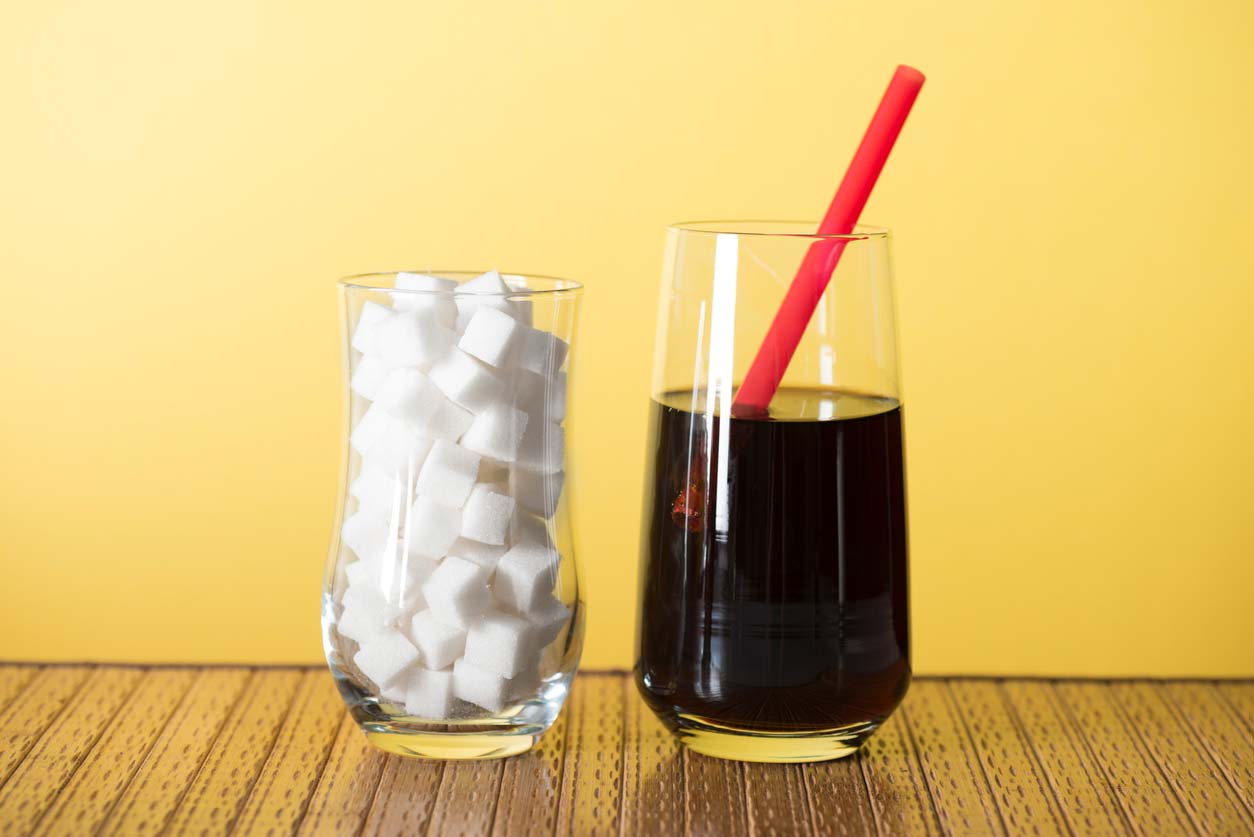
Eating high-sodium-containing hot dogs, hamburgers, and chips can make people mighty thirsty. Unfortunately, one of the most common summer beverages of choice is soda, which is bad for you in so many ways, from rotting teeth to increasing the risk of heart disease, to damaging metabolism in ways that hamper fat burning and prevent weight loss, to increasing the risk of cancer and asthma.
Diet sodas may be even worse for you than regular sodas, due to their artificial sweeteners that can wreak havoc on your beneficial gut bacteria.
Your Health Doesn’t Scream for Ice Cream

Here’s a summer food that hits close to home for me: ice cream. My grandfather co-founded Baskin-Robbins, and my dad came of age with an ice-cream-cone-shaped pool in the backyard. He eventually walked away from that world, which is how I ended up growing up in a one-room cabin on an island off the western coast of Canada, eating kale instead of Jamoca Almond Fudge.
My dad went on to become rather well known for promoting a healthy dietary pattern — and sugar and saturated fat didn’t make the cut.
I’m not saying any of this to demonize ice cream or the people who love it. No doubt Grandpa Irv brought smiles to a lot of people’s faces. But the reality is that conventionally produced ice cream comes with real concerns: saturated dairy fat, significant added sugar, and, in many brands, artificial colorings linked to hyperactivity and “natural” flavors that are often anything but natural. The average American consumes about 20 pounds of ice cream each year, and for most people, that’s probably more than their health — or their waistline — benefits from.
The good news: Plant-based frozen desserts have come a long way, and there are genuinely delicious options that deliver the comfort and pleasure of ice cream without most of the downsides. For some delicious plant-based frozen dessert options, see our article here.
Booze Blues

I can’t talk about problematic summer foods and beverages without mentioning alcohol. From coolers full of beer to fancy drinks with umbrellas and cute names, Americans love to beat the heat and take the edge off with alcoholic beverages.
You can read all about the dangers of even moderate alcohol consumption here. But the short version: Alcohol is classified as a Group 1 carcinogen by the WHO, in the same category as tobacco, and is linked to cancers of the breast, liver, and colon, as well as heart disease, dementia, and depression. Even moderate drinking carries real risks that most people significantly underestimate.
Well, that was a depressing survey of some of the most popular summer foods on the standard American diet! Maybe we should just cancel all the picnics and stay inside and watch Netflix by ourselves instead. But not so fast! The good news is there are plenty of delicious summer foods you’ll love that will love you back.
Healthy Summer Foods to Enjoy

The key to choosing healthy summer foods can be summed up in a single word: hydration. Many people are consistently dehydrated, and summer heat can make the problem worse. The good news is that the most delicious seasonal foods are also the most hydrating ones.
The healthiest, most refreshing summer foods are loaded with water, which is exactly what your body needs when temperatures climb and sweat starts flowing. The best way to hydrate is still drinking plenty of water, but whole fruits and vegetables get you a meaningful portion of the way there while also delivering vitamins, minerals, antioxidants, and fiber that no sports drink can match.
Foods with High Water Content
The best way to hydrate is to drink plenty of water. But you can also stay hydrated with other beverages and with foods. Which foods? Let’s start with fruits and vegetables, which are so high in water that they’re, by definition, low in calories.
When possible, choose fruits and vegetables grown near you. Local food is fresher, more delicious, and has the lowest environmental impact. You may be able to shop at farmers markets; check this guide to see what’s in season near you.
If you can, go organic too, as organically grown produce has been shown to be healthier for you, and much better for farmworkers and the environment.
If you’re looking for hydration superstars, here’s a list of summer foods with exceptionally high water content:
- Watermelon
- Cucumber
- Celery
- Berries
- Cantaloupe
- Tomatoes
- Peaches
- Oranges
- Lettuce
- Bell Peppers
- Cauliflower
- Cabbage
- Grapefruit
- Pineapple
Foods with Electrolytes
When it’s hot outside and you’re sweating, you don’t just need water, but also the electrolytes that you lose through perspiration. Some foods that are high in electrolytes (especially, but not exclusively, sodium and potassium) include:
- Leafy greens
- Avocados
- Potatoes
- Beans and other legumes
- Seeds (pumpkin seeds, flaxseeds, etc.)
- Bananas
- Olives
Creative Ways to Eat Those Good-for-You Summer Foods

Don’t worry. I’m not saying you have to replace hot dogs, hamburgers, and potato chips with just plain, raw fruits and vegetables. You can still make delicious, fun, and filling dishes that scream “summer festivities” with no sense of deprivation or compromise.
Sides and appetizers can include fruit salads, bean dips with cut-up veggies, and steaming hot corn on the cob.
Main dishes can even mimic the old favorites, including carrot dogs and veggie burgers. Kebabs with seitan or organic tofu instead of meat are also vehicles for grilling veggie and fruit chunks. One of my favorite combos includes marinated mushrooms, cherry tomatoes, pineapple, red onion, and marinated extra-firm tofu on a skewer.
Salads can also serve as main dishes, especially when you add hearty ingredients like beans, quinoa, and roasted veggies. You can grill tofu, tempeh, and seitan “steaks,” and even make steaks out of large, sliced cauliflower heads or seasoned jackfruit.
Dessert is limited only by your imagination. You can create elegant fruit kebabs with berries, grapes, apples, and grapefruit chunks, or whatever else is in season. A blender and a freezer can collaborate to make you fresh fruit popsicles. And there’s always N’ice cream: homemade non-dairy ice cream (free from all those unhealthy additives).
And if you want some variety in beverages, in addition to good old H2O, you can go with unsweetened or stevia-sweetened iced teas and coffees, fresh-squeezed juices, smoothies, and even mocktails.
For more ideas and lots of recipes, check out our “Ultimate Guide to Hosting or Attending a Healthy, Plant-Powered 4th of July Celebration (Or Other Summer Party).”
So there you have it. There are healthy, delicious summer foods you can enjoy without compromising your health. Now, want some recipes?
5 Hydrating and Nutritious Summer Food Recipes
Whether your picnic plans involve spreading a blanket on the grass or on your living room floor, these light and easy recipes will help you stay hydrated, nourished, and energized. They’re a healthy summer in your bowl, on your plate, and in your glass!
1. Chilled Cucumber Avocado Soup
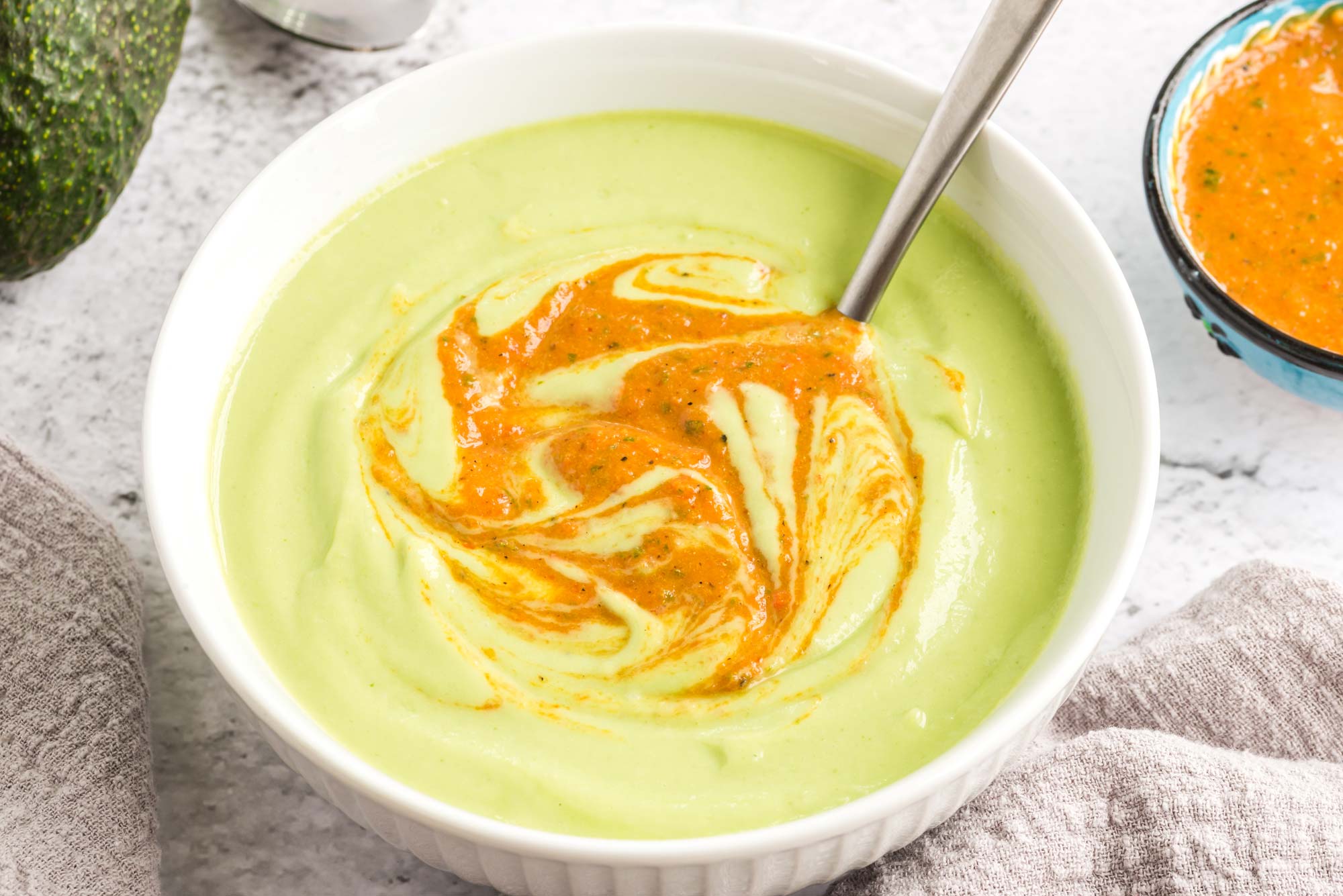
Refreshing, nourishing, and perfect for warm summer evenings, this creamy, cooling soup is sure to satisfy. If your cucumbers are unwaxed, keep the skin on to maximize nutrition. Otherwise, go ahead and peel them; either option is good for you!
2. Sweet and Smoky Tofu, Vegetable, and Pineapple Skewers
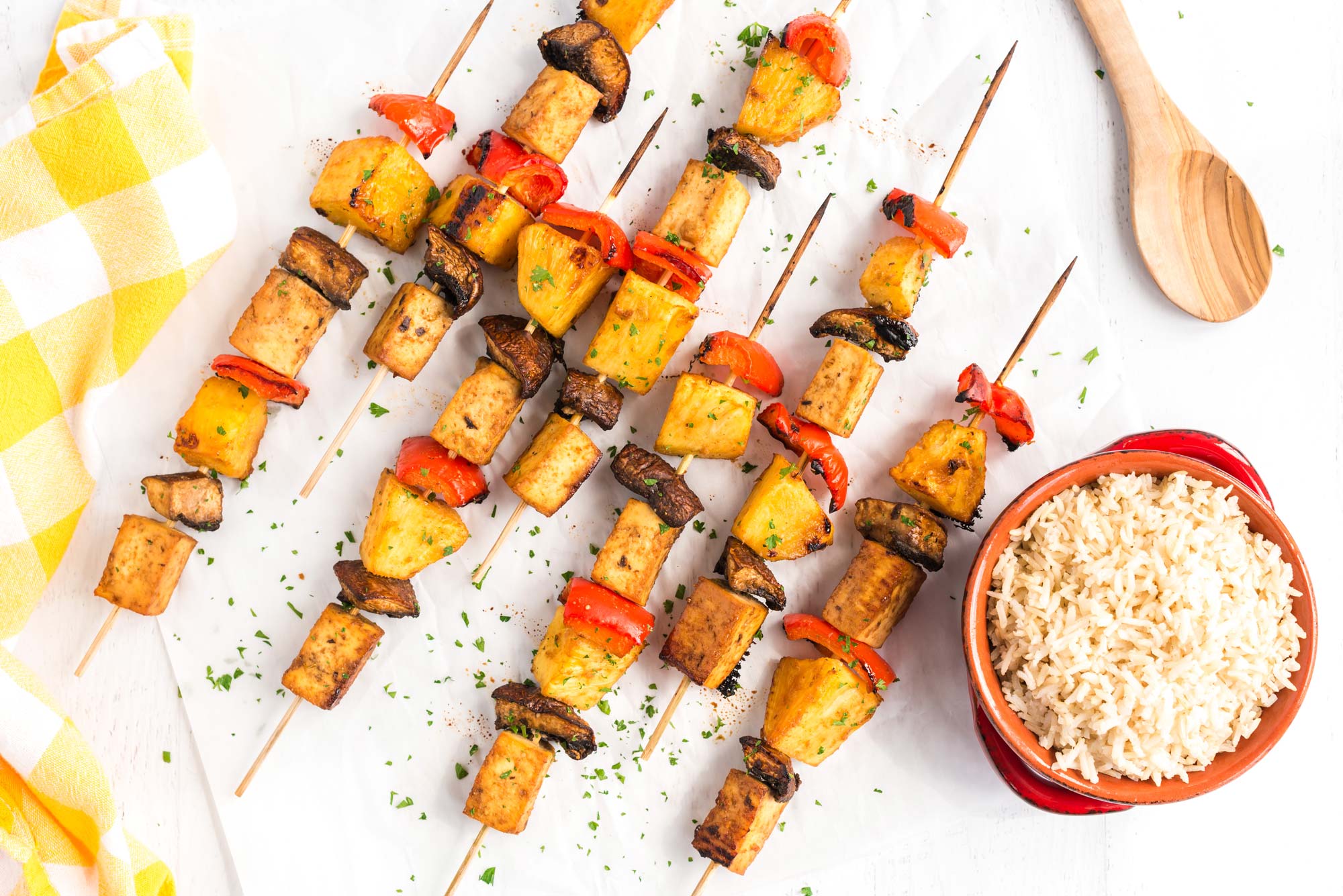
The flavors in this dish work wonderfully together, especially if you give the skewers a little time to marinate before baking or grilling. The umami flavor of the mushrooms combined with the sweet pineapple and savory tofu will satisfy all of your taste buds!
3. Kale Pomegranate Salad with Chopped Walnuts and Sliced Apples
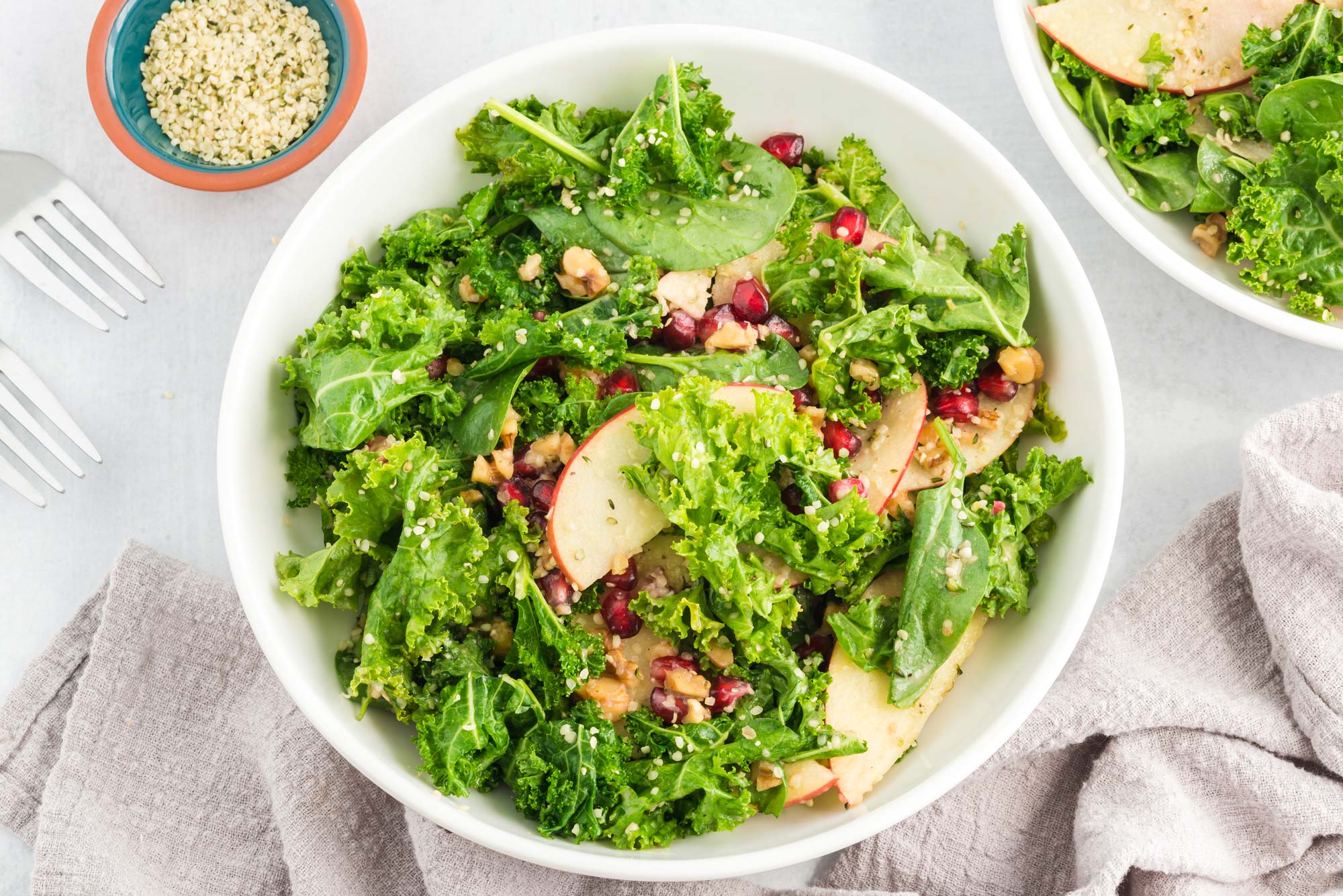
This could be labeled the most refreshing summer salad on the planet with the apples and fresh pomegranate mixed in with the kale. The dressing is nice and light — and super flavorful.
4. Tropical Delight Smoothie Bowl
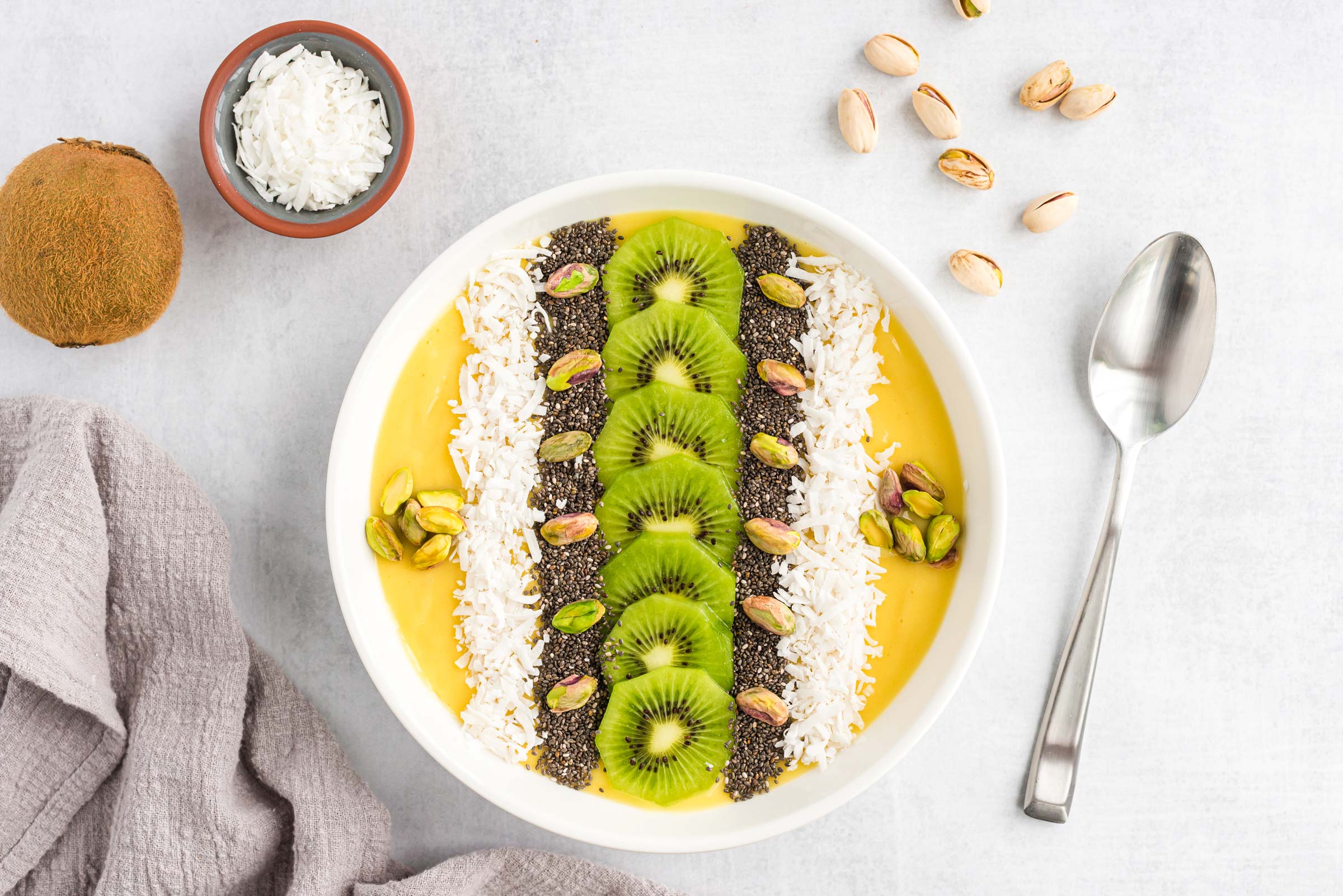
Having an impromptu picnic at home? Bring the tropics to you with this Tropical Delight Smoothie Bowl that’s packed with water for hydration and electrolytes for replenishment. Close your eyes and envision yourself on a beautiful breezy beach!
5. Blueberry Lemon Cooler
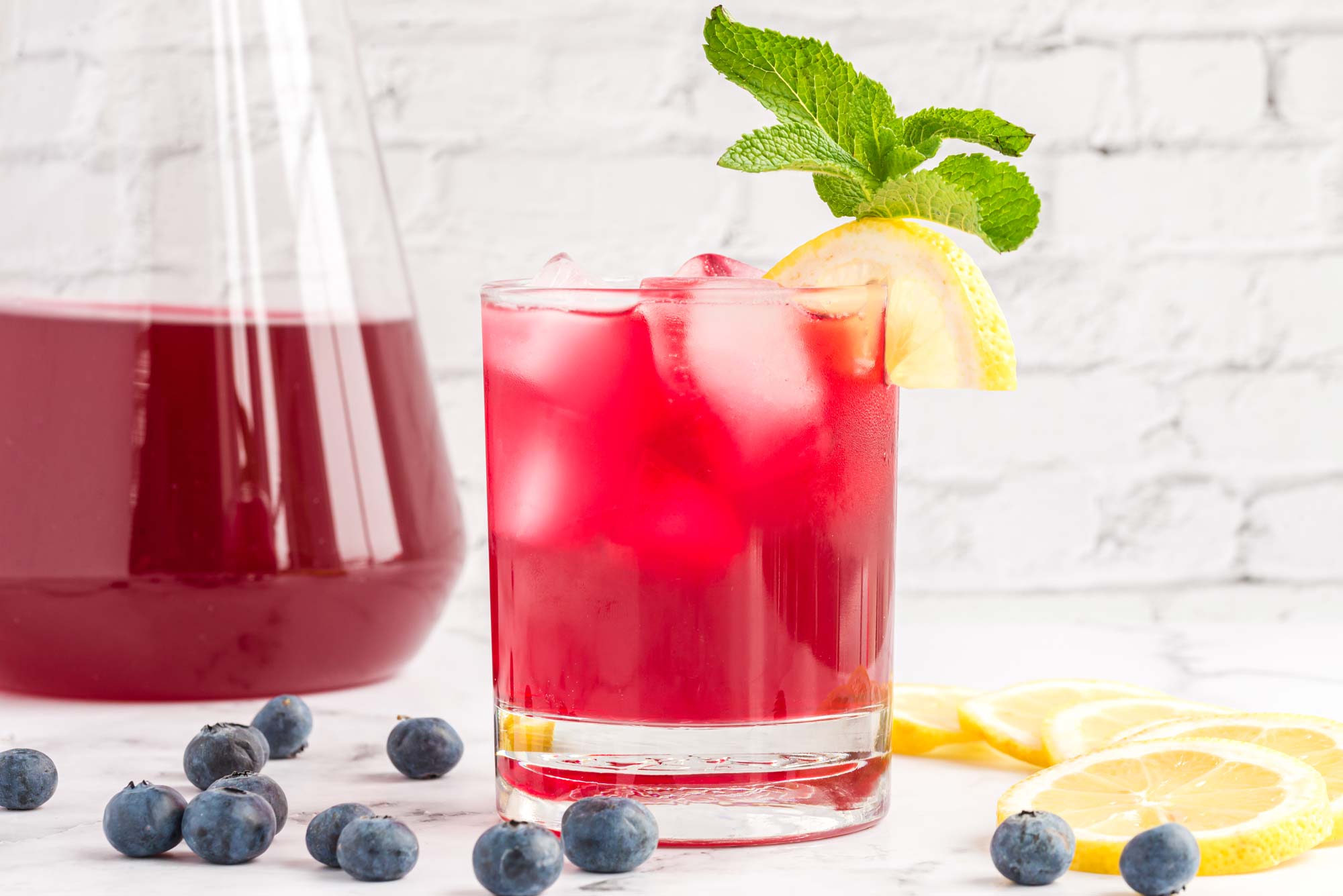
Staying hydrated during the hot summer months is essential. And adding flavorful and nourishing fruits can make it easier to get all the hydration you need. Stock up on local berries, and add a splash of vitamin-C-packed lemon for a nutrient-powered and delicious alternative to water. It will add something special to your next indoor or outdoor picnic!
Enjoy Summer Foods!

Summer is a great time to enjoy the outdoors and food outdoors. But whether you spend most of your time outside in the sun or inside with the AC offering you relief, you can still enjoy delicious, healthy, and festive summer foods safely. And if you’re able to share and celebrate with friends and loved ones, all the better!
Tell us in the comments:
- Do you have any favorite kinds of healthy summer foods?
Featured Image: iStock.com/Arx0nt
